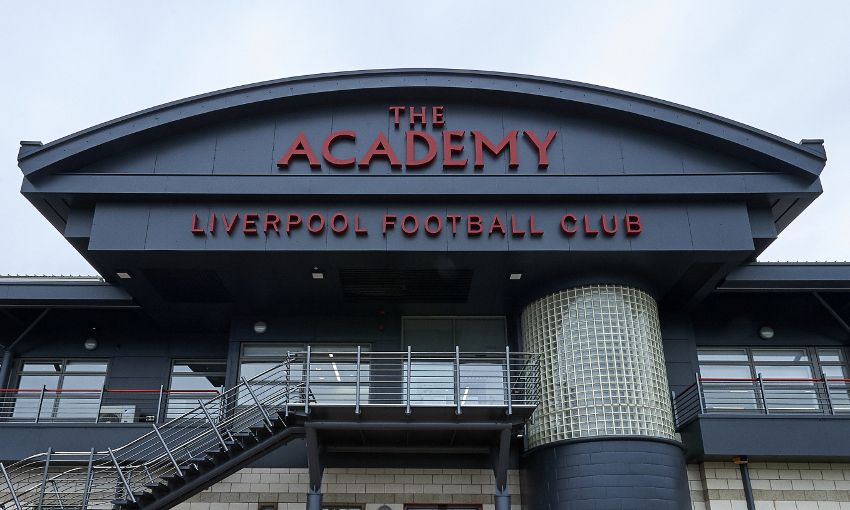
Liverpool FC plans the most substantial upgrade to its Kirkby Academy since the site opened in 1998. The project, budgeted at around £20m, is designed to modernize player development, reduce weather-related disruption, and create a better stage for youth matches and talent identification.
Target completion: 2028
What’s changing (at a glance)
- Full-size indoor pitch: The current main outdoor pitch will be covered by a new dome, connected to the existing Academy complex, giving Liverpool a first-ever full-size indoor field for all-weather training.
- New matchday pitch with seating: A new external grass pitch with a small stand for up to 500 spectators, creating a clear focal point for academy games and scouting.
- Upgraded performance functions: Expanded and modernized medical and sports science areas to support younger age groups and accelerate rehab, readiness, and long-term athlete development.
- Lighting and usage windows: New floodlights to extend evening usage across pitches throughout the year.
- Small-sided and skills infrastructure (already added): Dedicated cages for tighter game formats, an athletic development area, a skills zone, and a padbol court to broaden technical and coordination work.
Why this matters (player pathway and performance)
1) Continuity of training. A full-size indoor environment means fewer cancellations and less compromised sessions during harsh weather, particularly in key winter blocks. More consistent training weeks improve tactical work, technical reps, and physical load management.
2) Development aligned with modern games. The mix of an indoor field, small-sided cages, and a purpose-built match pitch supports the full spectrum of player growth—tight-space decision-making, full-size tactical schemes, and live match pressure.
3) Better matchday product for youth and scouts. A 500-seat stand frames academy fixtures as events. That helps with atmosphere, parent engagement, scouting logistics, and video capture quality for analysis.
4) Performance medicine that reduces friction. On-site enhancements to medical and sports science reduce downtime and sharpen return-to-play protocols for younger athletes.
How Liverpool designed the plan
The upgrade brief is informed by comparative research across Europe. Fenway Sports Group technical director Julian Ward visited more than 25 clubs to study facility design, workflows, and best practices—an important step to avoid over-building in some areas and under-investing in others.
Fit with the broader infrastructure arc
The Academy redevelopment follows a sequence of recent capital projects:
- Anfield Road Stand expansion (about £90m), which contributed to higher matchday income.
- AXA Training Centre consolidation, bringing the first team and core staff onto the Kirkby campus.
- Melwood refurbishment for the women’s program.
This pattern signals a club-level view that infrastructure—stadium, training, performance environments—remains a durable driver of sporting and commercial outcomes.
Financial backdrop
Liverpool reported a pre-tax loss of £57m for the year ending May 31, 2024, even as total revenue rose to £614m. Commercial income passed £300m for the first time (about £308m), while matchday revenue climbed to roughly £102m, aided by the new Anfield Road Stand and more competitive home fixtures. Separately, in July, the club proposed a £5mpublic-realm plan around Anfield to improve the local area.
These numbers capture a familiar trade-off in modern football: continued investment in fixed assets and fan experience while navigating cyclical costs and competitive calendars.
Strategic lens: what success will look like
Sporting KPIs
- Reduction in training sessions lost or degraded due to weather
- Improved availability rates across age groups
- Year-on-year increases in academy-to-first-team minutes
- Better injury prevention markers and faster rehab timelines
Operational and fan KPIs
- Regular attendance at academy fixtures on the new pitch
- Increased scouting and pathway visibility for schoolboy and U18 groups
- Higher-quality video and data capture for coaching and recruitment
Commercial and community KPIs
- Targeted partner activations around youth matchdays and player development
- Community usage and local engagement tied to evening floodlit slots
- Tangible uplift in the perception of the academy’s “value of place” in Liverpool’s ecosystem
Risks and realities to manage
- Planning & phasing: Keeping academy operations running during construction phases requires careful scheduling and temporary facilities.
- Cost inflation: Maintaining scope discipline as construction markets move.
- Utilization balance: Ensuring the dome and match pitch are fully booked with purposeful training rather than simply convenient sessions.
- Player welfare: Safeguarding load, surfaces, and return-to-play protocols as intensity increases with better facilities.
For Brands, Businesses and Services, feature in our ecosystem
IMAGE: Liverpool FC