Credit: The Athletic
Under Armour is making its boldest play yet in global football. Long defined by its roots in American sport, the Baltimore-based brand is now testing how far its reach can stretch into the world’s game—a market dominated by Nike, Adidas, and Puma.
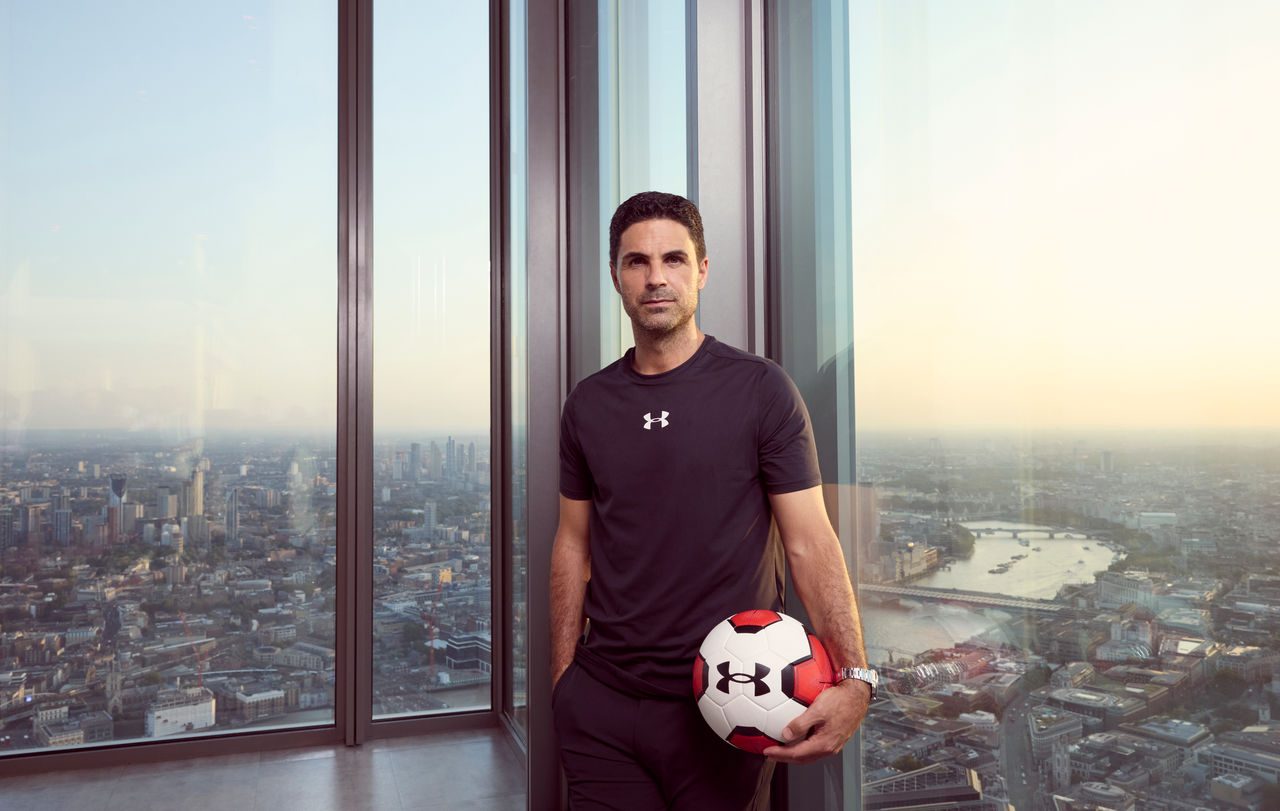
At the centre of this push is Arsenal manager Mikel Arteta, who has signed on as one of Under Armour’s newest ambassadors. His presence is more than just a name on a contract: it signals the brand’s intent to shift perception, open doors, and carve out legitimacy in a crowded landscape.
Why Arteta Matters?
Founder Kevin Plank has built Under Armour’s story on conviction and confidence, signing elite athletes like Tom Brady, Steph Curry, Andy Murray, Jordan Spieth, and Michael Phelps. When he first sat down at Arteta’s kitchen table in 2024, Plank recognised the same unshakeable focus.
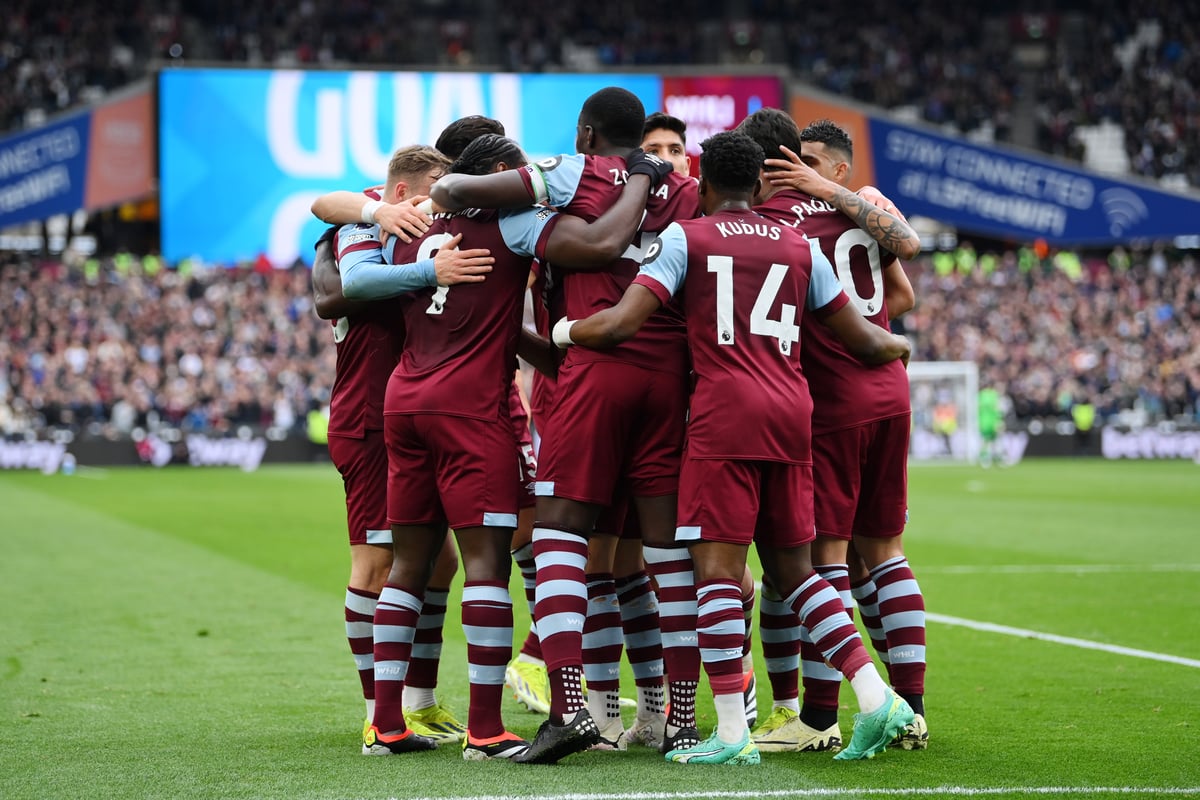
Now, Arteta joins a growing football roster that includes Ibrahima Konaté, Achraf Hakimi, Antonio Rüdiger, Ferran Torres, Pedro Porro, and Emily Fox. Coaches are becoming the next frontier in sponsorships, following trends set by Pep Guardiola (Puma) and Jürgen Klopp (Adidas). Arteta’s style, presence, and credibility make him the perfect European bridge for Under Armour.
Already, his image has featured on billboards outside Premier League stadiums, with provocative messaging like “Every artist has their critics” and “Be the problem.” The play is clear: position Under Armour as a challenger brand for a new football era.
The Kit Question
Despite making football boots and training wear, Under Armour’s absence in the kit-manufacturing space is noticeable. They once supplied Tottenham Hotspur, Southampton, Aston Villa, Hannover 96, and others. Today, their only active kit deal is with Japanese side Omiya Ardija.
Plank insists that Under Armour will return:
“Our phone rings weekly about outfitting a club. We’ll be back. But we have to be clever—this isn’t about writing the biggest cheque. It’s about playing Moneyball.”
That caution comes from lessons learned. In the past, the brand lacked the retail footprint to maximise shirt sales. Today, with more than 2,000 stores worldwide, Under Armour is better positioned to convert club partnerships into commercial wins.
The NFL Connection
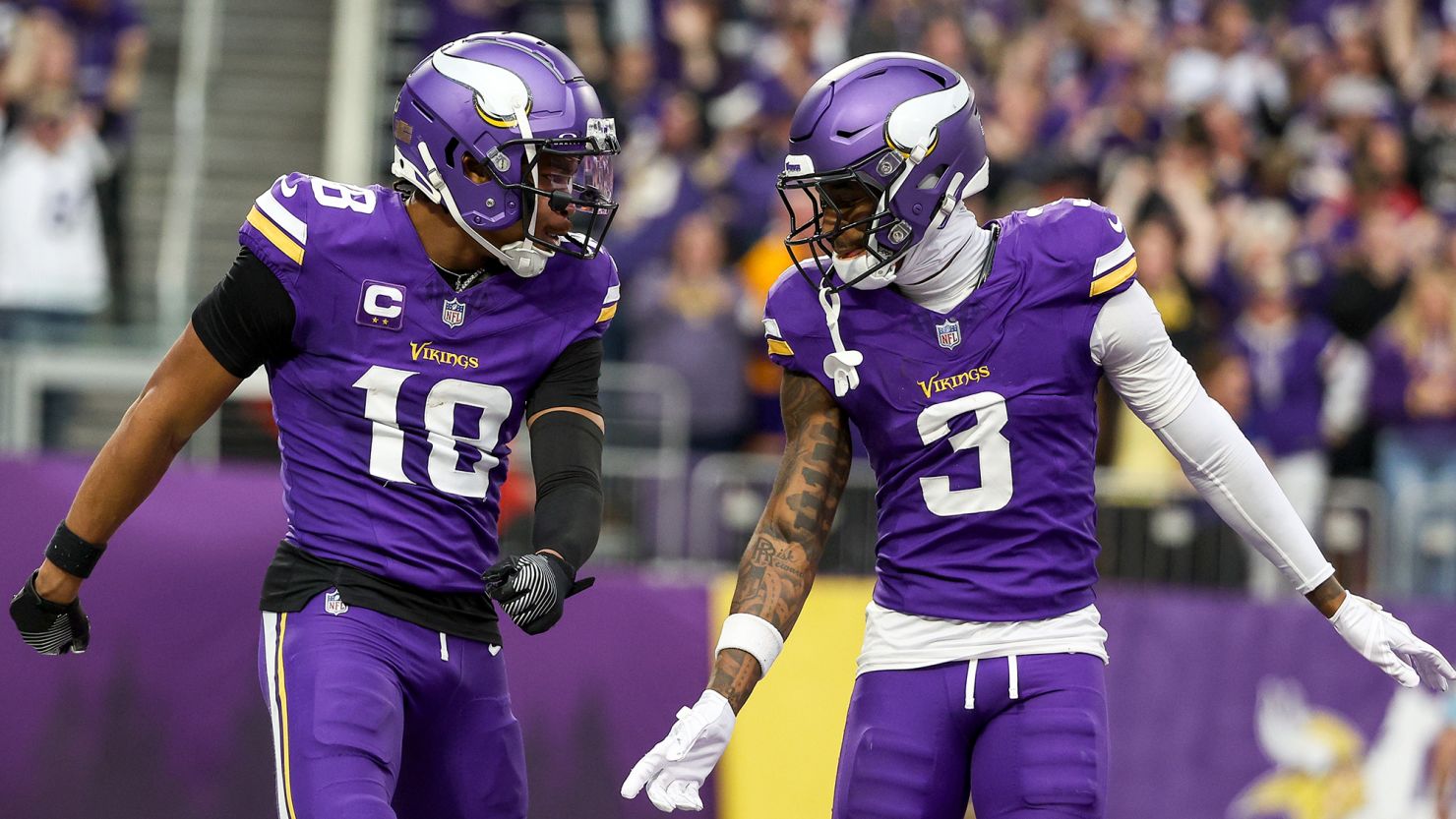
This year, Under Armour signed back on with the NFL as an official footwear and glove partner. For Plank, the crossover is intentional:
“It’s not a far walk from an NFL pitch to an EPL pitch. It says we speak the language of sport.”
By pairing roots in American football with a renewed push into global football, Under Armour is setting up a cross-market narrative: tough, authentic, performance-led.
Can They Really Disrupt?
The global football market is unforgiving. Nike, Adidas, and Puma dominate club and national team deals, while New Balance, Umbro, and Castore scrap for challenger space. For Under Armour to cut through, they must lean on:
- Athlete and coach equity – Arteta and Konaté give credibility and visibility.
- Selective partnerships – Focus on clubs where brand identity and culture align, not just scale.
- Retail power – With its global store base, UA can now monetise shirt deals in ways it couldn’t a decade ago.
- Challenger positioning – Messaging like “Be the problem” speaks directly to younger, outsider audiences.
365247 Consulting Insight
Under Armour’s attempt to re-enter football offers key lessons for sports brands:
- Niche over noise – Rather than battling giants everywhere, identify specific entry points where challenger identity resonates (managers, lifestyle collaborations, underdog clubs).
- Culture-first partnerships – In football, credibility comes from storytelling. Signing Arteta signals more than exposure; it’s a strategic credibility play.
- Distribution as destiny – Commercial success in kit deals depends less on design and more on retail reach. Without distribution, even strong sponsorships underperform.
- Cross-market leverage – Aligning American football credibility with European football ambitions gives Under Armour a unique narrative lane.
If UA gets the balance right, it won’t just return to football—it will force the industry to redefine what disruption looks like.
Partner With Us
Want to feature your brand, business, or service on 365247 — Whether you’re looking to sponsor, collaborate, or build presence within our ecosystem, we’d love to explore it with you.
Submit your interest here
IMAGE: Under Armour