Credit: Sportcal
As the 2025/26 season kicks off, over half of Premier League clubs remain tied to gambling brands as front-of-shirt sponsors—despite the league’s confirmed ban on such partnerships coming into effect from the 2026/27 season.
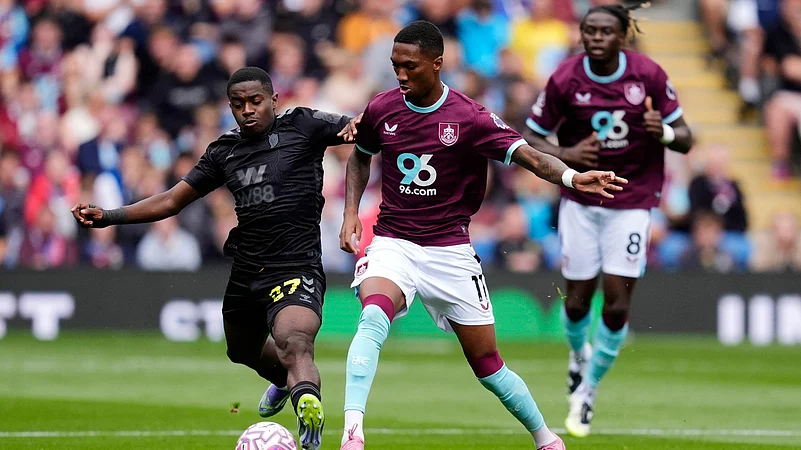
According to Sportcal, 11 clubs will carry gambling logos this year, highlighting both the industry’s influence and the financial challenges clubs face outside the so-called “big six.”
The State of Play
- The front-of-shirt sponsorship market for the 2025/26 season is worth an estimated $525.4 million.
- Gambling brands contribute $129.6 million of that figure.
- While the “big six” (Arsenal, Chelsea, Liverpool, Manchester City, Manchester United, Tottenham Hotspur) command lucrative global sponsors, the rest of the league remains heavily reliant on betting companies.
Only Brighton (American Express), Leeds United (Red Bull), and Newcastle United (Sela) have avoided gambling partnerships this year—largely due to unique ownership structures and long-term global brand alignments.
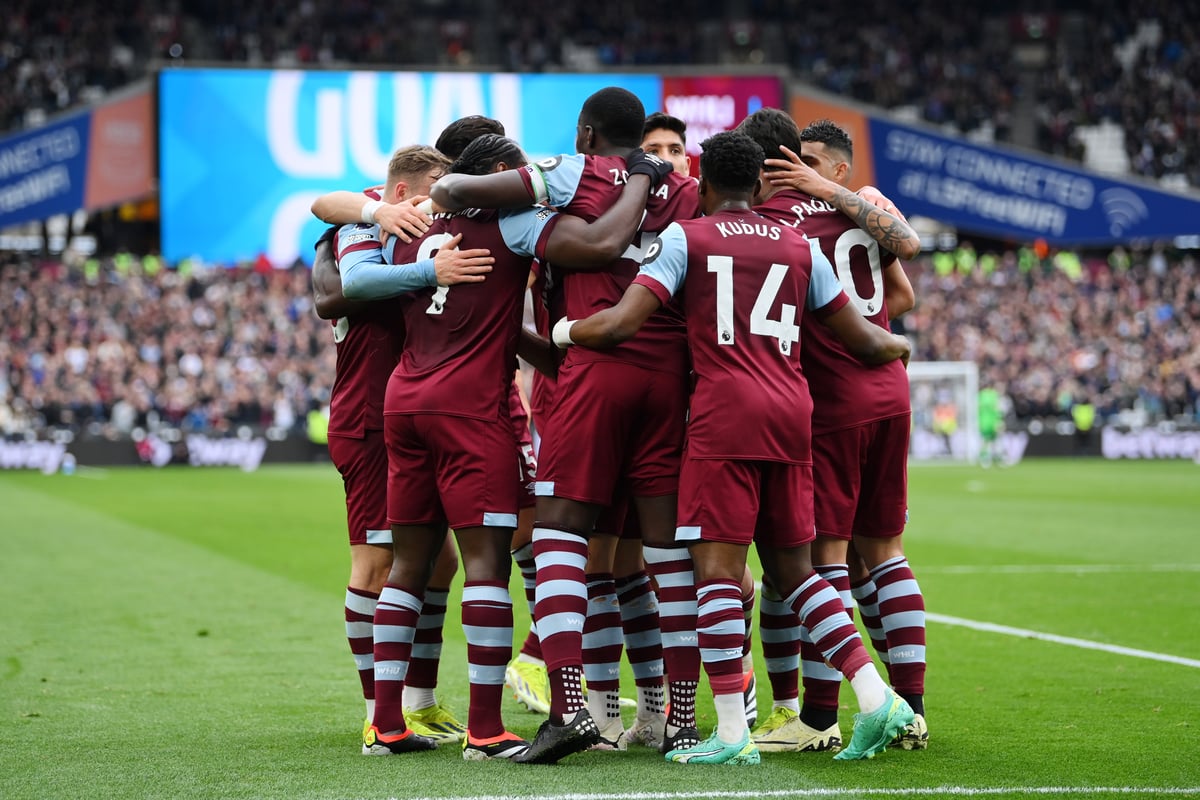
In contrast, Nottingham Forest, Sunderland, and West Ham United have all struck one-season deals with Bally’s, W88, and BoyleSports, respectively, maximizing short-term revenue before the ban arrives.
Why the Ban Matters
The Premier League’s decision mirrors similar restrictions in Italy (Serie A, since 2019/20) and Spain (LaLiga, since 2021/22), citing concerns around gambling addiction, youth exposure, and normalization of betting.
The situation is reminiscent of the alcohol sponsorship decline in English football—where negative associations eventually phased the category out of front-of-shirt deals by 2018.
With the gambling ban imminent, clubs now face the challenge of replacing high-value partnerships. While financial services, technology, and travel & tourism brands are expected to fill the gap, many mid-table teams will likely have to accept lower fees.
What Comes Next
- Short-term impact: Clubs outside the big six will see immediate revenue declines as gambling exits the shirt market.
- Category diversification: Industries with global reach (finance, tech, tourism) are poised to step in, but competition for deals will be fierce.
- Alternative inventory: Gambling companies are unlikely to disappear altogether—they may pivot to sleeve sponsorships, training kits, or digital partnerships.
- Crypto’s resurgence: While the hype bubble burst, crypto remains active in sports sponsorship (e.g., Crypto.com with UEFA, Kraken with Spurs), offering another possible category for replacement deals.
Navigating the Post-Gambling Sponsorship Era
At 365247, we see the ban as both a risk and an opportunity:
- For Clubs – This is the moment to recalibrate sponsorship strategy. Rather than simply replacing lost revenue, clubs should reposition themselves as lifestyle platforms appealing to tech, finance, tourism, and consumer brands seeking global storytelling.
- For Brands – The ban creates a rare opening. With premium shirt inventory coming free, non-gambling sectors have the chance to secure visibility at values unlikely to be seen again.
- For the League – The shift is a brand reset. Moving away from gambling strengthens long-term credibility, making the Premier League more attractive to mainstream consumer categories and family-friendly sponsors.
Partner With Us
Want to feature your brand, business, or service on 365247 — Whether you’re looking to sponsor, collaborate, or build presence within our ecosystem, we’d love to explore it with you.
Submit your interest here
IMAGE: AP