As the sports world turns its attention to the US Open, it’s worth reflecting on the off-court battles that shape reputations and commercial value. Behind every rising star or established champion lies a less-visible but equally decisive force: Tier 1 media coverage.
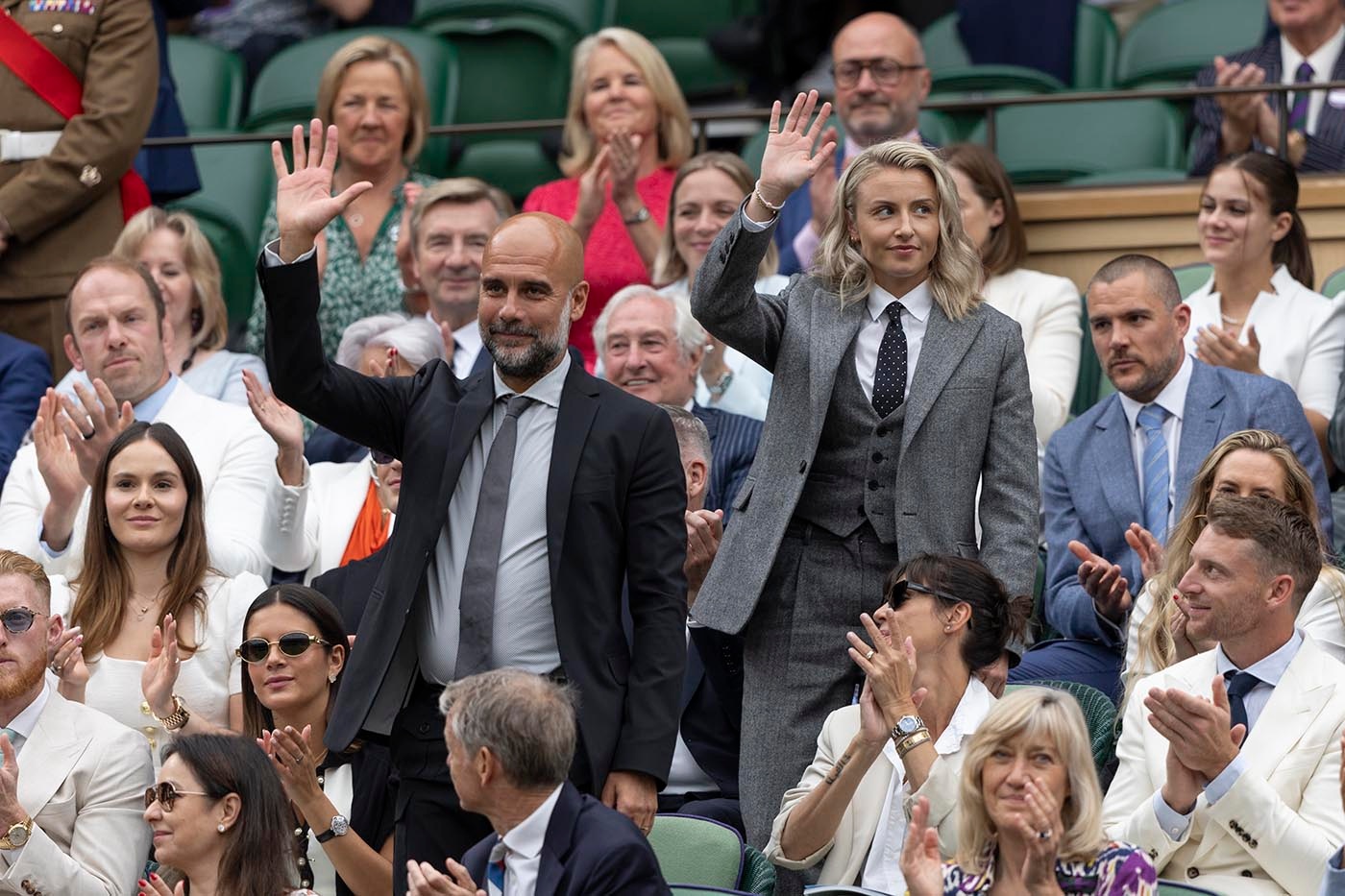
At Wimbledon this year, a handful of athletes and their teams secured coveted features in some of the world’s most prestigious outlets—ranging from The New York Times and The Guardian to Vogue and the Financial Times. These placements might appear small in number, but their commercial and reputational impact is outsized.
What Exactly Is Tier 1 Media?
Tier 1 media refers to the most influential, globally respected outlets with millions of readers and high editorial credibility. Unlike standard sports reporting, coverage in these platforms confers legitimacy and positions athletes as more than competitors—they become cultural figures.
Why does this matter?
- Perception = Power: A feature in a trusted publication instantly validates an athlete as both credible and commercially attractive.
- Commercial Leverage: Sponsors and brands frequently cite Tier 1 mentions as benchmarks in negotiations, using them as a proxy for cultural relevance.
- Ripple Effect: One headline in a Tier 1 outlet can generate dozens of secondary stories across regional and digital media.
In short: media placement is currency, and Tier 1 outlets are the highest denomination.
What It Takes to Land a Single Story
To the public eye, a headline looks effortless. In reality, one high-profile feature often represents 20–40 hours of workacross multiple fronts:
- Shaping compelling narratives and identifying angles that resonate beyond sport.
- Researching and targeting the right journalist or editor.
- Building media kits, Q&As, and visual assets to support the story.
- Preparing athletes for interviews while balancing their tournament schedules.
- Coordinating across time zones and ensuring timing aligns with peak interest.
The process is resource-intensive, but the returns are undeniable.
Why Athletes Can’t Afford to Ignore Tier 1 Coverage
The benefits of Tier 1 media go far beyond visibility:
- Sponsorship ROI: Brands demand global exposure, and Tier 1 media delivers precisely that. For sponsors, it translates to measurable reach; for athletes, it can unlock multi-figure deals.
- Long-Term Brand Building: Repeated coverage builds familiarity, turning players into household names with cultural staying power.
- Market Leverage: Enhanced visibility strengthens negotiating positions with agents, tournaments, and commercial partners alike.
In some cases, a single feature in The New York Times or Vogue can alter an athlete’s career trajectory overnight—shifting them from rising talent to global ambassador.
The Playbook for Athletes and Brands
At 365247, we view Tier 1 media as more than publicity—it’s a strategic asset. For athletes, it’s a pathway to relevance that transcends the sport itself. For brands, it’s proof of cultural alignment, making sponsorships easier to justify and activate.
The lesson? Elite media visibility must be planned, not left to chance. It requires investment, expertise, and alignment between athlete narratives and broader cultural conversations.
Partner With Us
Want to feature your brand, business, or service on 365247 — Whether you’re looking to sponsor, collaborate, or build presence within our ecosystem, we’d love to explore it with you.
Submit your interest here
IMAGE: Wimbledon