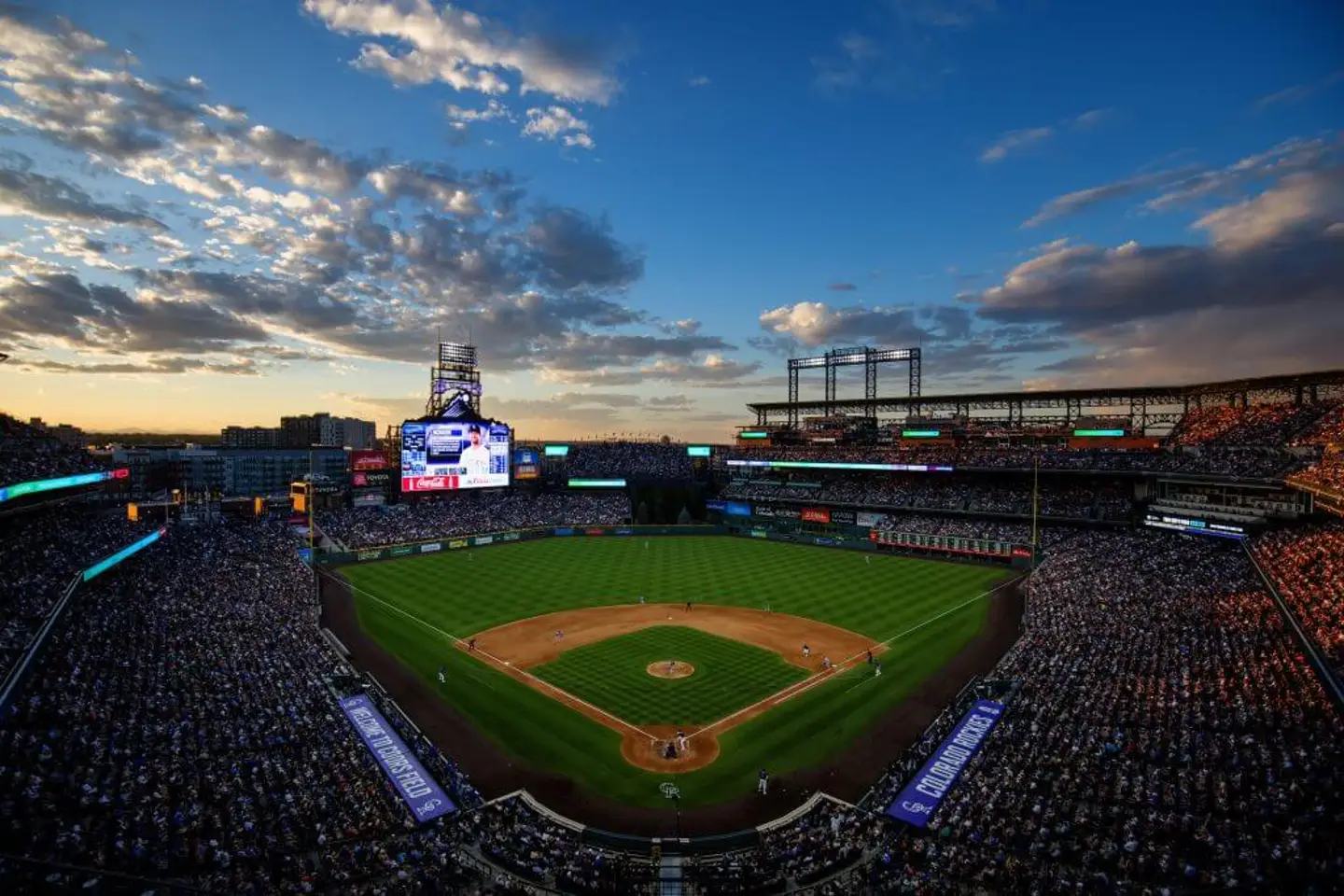
Major League Baseball commissioner Rob Manfred recently reignited speculation about league expansion, suggesting that adding two new franchises could provide the opportunity to geographically realign divisions. Expansion to 32 clubs has been on the horizon for years, but the commissioner’s comments now make it clear: it’s no longer a matter of if, but when.
The Case for Expansion
Baseball has historically followed the lead of other major U.S. leagues. The NFL, for example, considered seven different realignment scenarios when expanding in 2002 before settling on a system that made geographic sense while protecting rivalries. Similarly, MLB is expected to keep its core traditions intact while reshuffling divisions to cut travel, protect marquee matchups, and better balance the league.
A Possible Eight-Division Model
If MLB moves forward with 32 teams, the most likely format would involve eight divisions of four teams each. The aim: tidy up the geography, keep the American and National League labels, and avoid unnecessary disruption to legacy rivalries such as Cubs vs. Cardinals or Dodgers vs. Giants.
American League
- AL East: Orioles, Red Sox, Yankees, Blue Jays
- AL West: Athletics (Las Vegas), Angels, Mariners, plus a likely expansion side in Salt Lake City or Portland
- AL North: White Sox, Guardians, Tigers, Twins
- AL South: Astros, Rangers, Royals, Rockies
National League
- NL East: Mets, Phillies, Pirates, Nationals
- NL West: Diamondbacks, Dodgers, Padres, Giants
- NL North: Cubs, Reds, Brewers, Cardinals
- NL South: Braves, Marlins, Rays, plus an expansion team in Nashville or Raleigh
This structure minimizes franchise movement while ensuring the league footprint remains logical. Only a handful of clubs would switch divisions or leagues, with expansion markets filling out the gaps.
The Expansion Question
Where MLB chooses to plant its new franchises will ultimately determine how realignment takes shape. Salt Lake City, Portland, Nashville, and Raleigh are among the frontrunners, while more ambitious bids — from cities like Austin or even Mexico City — could reshape the map entirely.
But expansion is not without challenges. The South Division, for instance, could face issues if it leans too heavily on markets with historically weaker MLB fan support, such as Tampa Bay and Miami. Sustained attendance and engagement in new territories will be critical.
Protecting Rivalries While Shaping the Future
The key to successful realignment will be balancing tradition with progress. Rivalries drive television audiences, ticket sales, and cultural resonance. MLB is unlikely to sacrifice heritage matchups like Yankees–Red Sox or Dodgers–Giants simply to save on air miles. Instead, the league will focus on incremental geographic improvements while ensuring its most valuable rivalries remain intact.
A Matter of Time
As Manfred himself has signaled, expansion is coming. The questions left are when, where, and how MLB decides to redraw its map. What is clear is that the sport is on the cusp of a new structural era, one that will shape rivalries, fan experiences, and economics for decades to come.
Partner With Us
Want to feature your brand, business, or service on 365247 — Whether you’re looking to sponsor, collaborate, or build presence within our ecosystem, we’d love to explore it with you.
Submit your interest here
IMAGE: Getty Images