In the rapidly evolving creator economy, brand partnerships are no longer confined to sponsored posts and digital endorsements. Increasingly, the most impactful collaborations are those where creators become directly involved in product innovation — particularly through limited-time offerings (LTOs).
The model is gaining momentum, as seen in the recent collaboration between Dude Perfect and BODYARMOR Sports Nutrition, discussed during a live recording of the Creator Economy Live podcast. These partnerships demonstrate that when executed well, creator-led products can bridge communities, create cultural relevance, and drive measurable sales.
So what does it take to deliver a successful creator product collab? Here are four critical factors brands must consider:
1. Go Beyond Branding: Build Real Products
Launching a creator-led LTO requires more than slapping a logo or name on packaging. It demands deep coordination across manufacturing, supply chain, retail, and sales teams. Without operational alignment, even the strongest idea risks falling flat. For marketing leaders, 2025 should be the year to ensure their organizations are equipped to execute product-driven collaborations at scale.
2. Test and Experiment with Different Creators
Not every partnership will succeed on the first attempt. The best results come when a creator’s identity naturally intersects with the brand’s positioning. However, brands should be open to experimenting across different creators and categories until the right formula clicks. Iteration is part of the process.
3. Incentivize Creators Beyond Posts
The most effective collaborations are those where creators feel true ownership of the product’s success. Rather than limiting partnerships to pre-defined deliverables, brands should embed incentives that make creators equally invested in performance. The BODYARMOR x Dude Perfect project is a case study in how to turn creators into co-builders rather than just promoters.
4. Sweat the Small Details
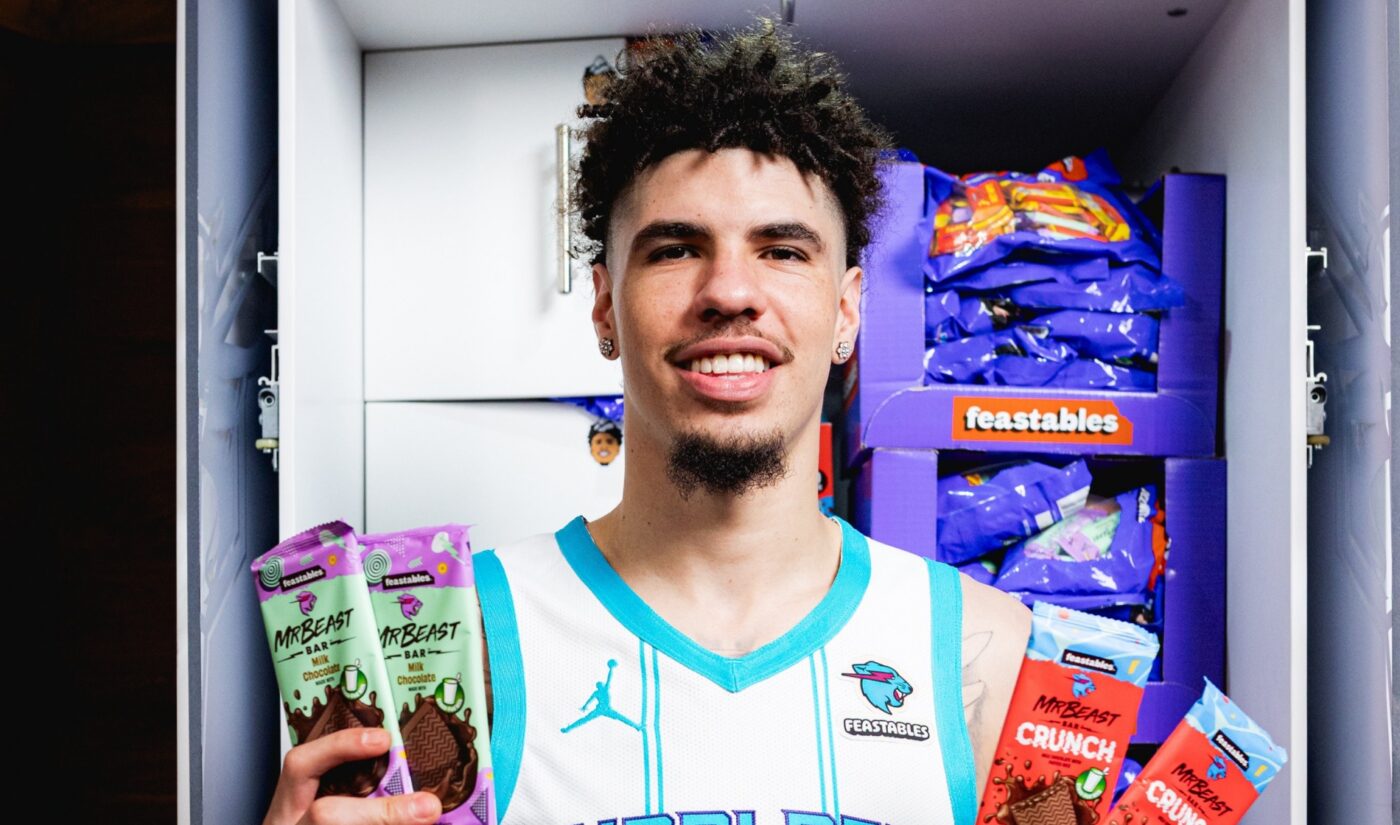
Consumers expect more than a gimmick. The product itself must stand up to scrutiny. High-profile examples, like MrBeast reformulating Feastables to meet consumer expectations, show that quality and detail matter as much as hype. For brands, this means product integrity must remain at the center of any collaboration.
The Strategic Imperative
For marketers hesitant about their brand’s current ability to support LTOs, the time to rethink is now. Opening up this lane can unlock new audiences, deepen fan connection, and future-proof brand relevance in the creator economy.
The shift is clear: creator-led product collaborations aren’t just marketing stunts — they’re becoming a strategic pillar of how brands engage with modern consumers.
Partner With Us
Want to feature your brand, business, or service on 365247 — Whether you’re looking to sponsor, collaborate, or build presence within our ecosystem, we’d love to explore it with you.
Submit your interest here