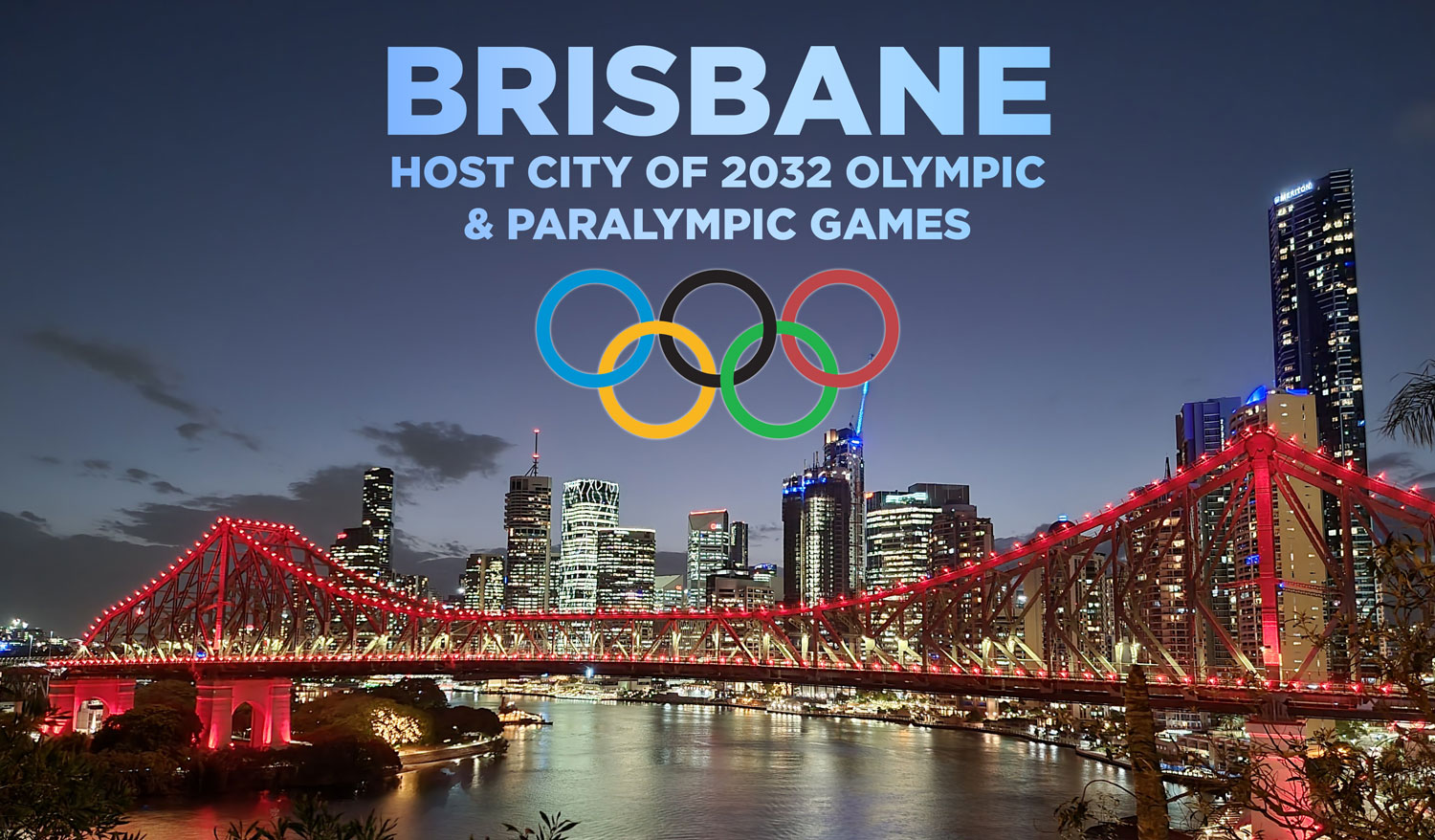
The Australian and Queensland Governments have formally signed the Intergovernmental Agreement (IGA) that will govern delivery of the A$7.1 billion infrastructure package for the Brisbane 2032 Olympic and Paralympic Games.
This landmark agreement follows weeks of negotiation and confirms how both governments will collaborate to deliver 17 new or upgraded venues across Queensland.
Funding Breakdown and Key Venues
The Australian Government has capped its contribution at A$3.435 billion, with the Queensland Government leading delivery.
Two headline projects include:
- A 63,000-seat stadium at Victoria Park.
- A 25,000-seat National Aquatic Centre at Spring Hill.
The deal stipulates that the Queensland Government must manage projects with community backing, develop a comprehensive precinct plan for Victoria Park (prioritising access to green space), and involve the Commonwealth in major decisions such as naming rights. A commemorative plaque will also acknowledge federal support.
Governance and Oversight
The agreement includes key conditions:
- Federal representation on the Brisbane 2032 Organising Committee Board.
- Restrictions on venue sales or leases: Queensland cannot sell or lease Olympic venues for 25 years without federal approval, and any future transactions would entitle the Commonwealth to a share.
- Community engagement requirements to ensure the Games leave a positive legacy across Queensland.
This formalisation comes after the Games Independent Infrastructure Coordination Authority (GIICA) launched an Expression of Interest (EOI) for delivery partners, signalling the next stage in operational planning.
Global Context: Commercial Evolution of the Olympics
The IGA announcement comes in parallel with news from Los Angeles 2028 (LA28), where the organising committee will for the first time allow venue naming rights sponsorships. This represents a major shift in how Olympic infrastructure can be monetised.
While Brisbane’s IGA restricts long-term commercialisation of venues, LA28 highlights how future Games may lean into sponsor integration to offset spiralling costs. The contrast underscores the balancing act between community legacy and commercial sustainability.
Strategic Importance
This investment builds on the Commonwealth’s A$12.4bn transport programme in Queensland, designed not only for the Games but also for long-term urban mobility.
Federal Minister for Infrastructure, Catherine King, framed it as an unprecedented opportunity:
“The Commonwealth’s funding for Games venues will see 17 new or upgraded venues, not just for 2032, but for future generations of Australian sporting heroes.”
Queensland Deputy Premier Jarrod Bleijie echoed this, positioning the deal as central to showcasing Queensland globally while ensuring community benefits remain front and centre.
Partner With Us
Want to feature your brand, business, or service on 365247 — Whether you’re looking to sponsor, collaborate, or build presence within our ecosystem, we’d love to explore it with you.
Submit your interest here