Source: Bloomberg, German Brewer Association, German Statistics Office
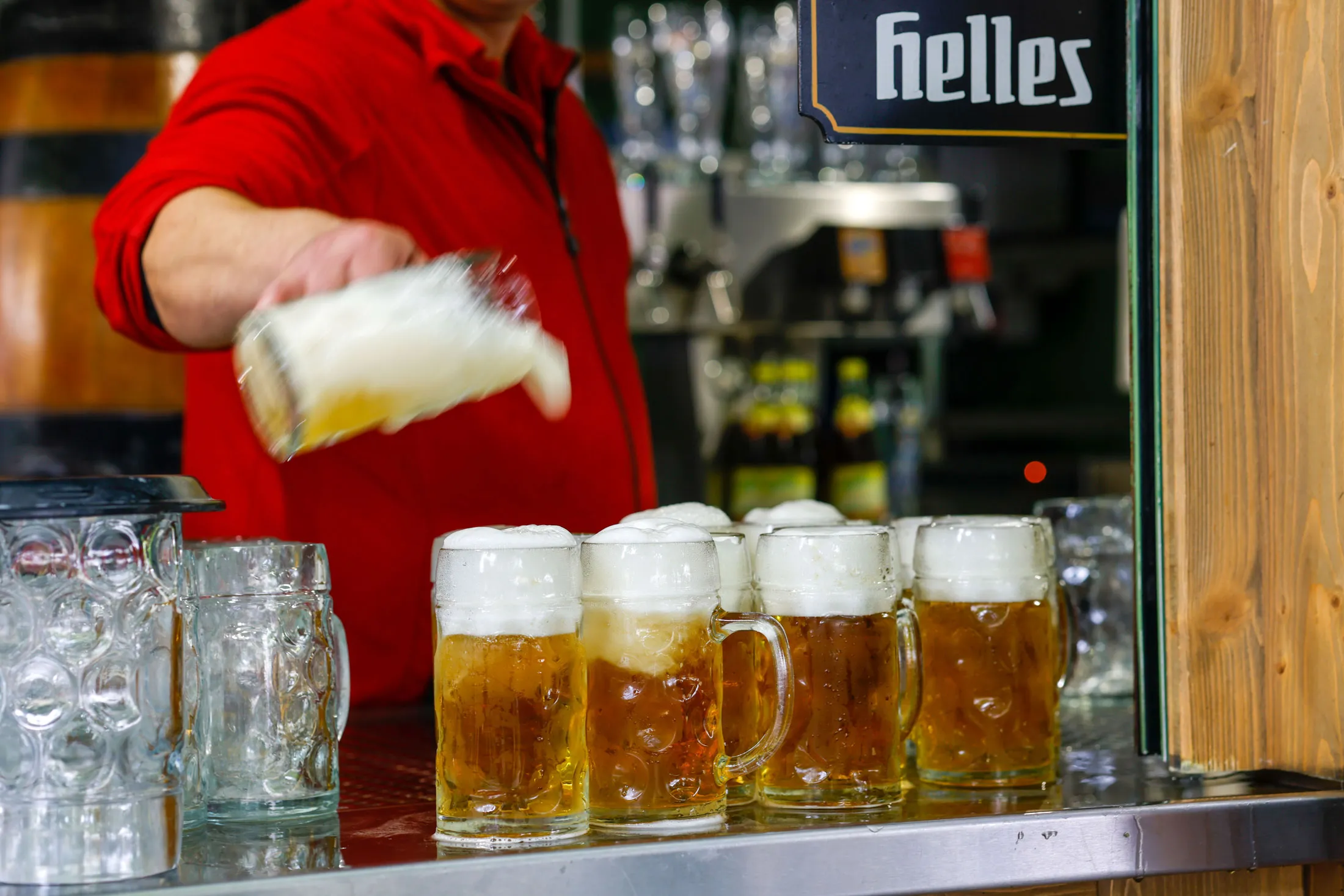
After 172 years in operation, Bavaria’s Lang-Bräu brewery has closed its doors — not due to war or political upheaval, but because of economic strain and declining beer consumption in Germany. The family-owned brewery faced mounting financial pressures, including €12 million in required upgrades, which proved unsustainable amid falling sales.
Rising Costs, Falling Consumption
Like many small and mid-sized breweries across Germany, Lang-Bräu struggled against a backdrop of inflation, higher energy prices, and shifting consumer preferences.
Beer consumption in Germany has steadily declined:
- The average German drinks 88 liters of beer annually, compared with 126 liters in 2000.
- National beer production fell 6.3% in the first half of 2025, hitting a new low.
“You can endure hardship for a long time,” said former Lang-Bräu head Richard Hopf, “but when sales fall and costs keep going up, there’s little room for long-term planning.”
Gen Z’s Changing Attitudes
The biggest cultural shift is among younger generations. For many in Gen Z (born 1997–2012), beer is no longer a daily staple but an occasional indulgence — and often, an alcohol-free version at that.
Driving factors include:
- Wellness and fitness culture discouraging alcohol consumption.
- Awareness of health risks, including calorie content.
- Tighter disposable incomes, making premium or alcohol-free alternatives more appealing.
“Alcohol isn’t good for your body — that’s clear to everyone in my generation,” said Carla Schüßler, a student from southwestern Germany. Others, like 22-year-old lab worker Luke Heiler, point to fitness goals: “It’s just hard to improve your fitness level while drinking.”
Alcohol-Free Boom, But Challenges Remain
Germany now offers over 800 varieties of alcohol-free beer, with production nearly doubling in the past decade. Brewers like Krombacher are pivoting toward this market, openly admitting that alcohol-free beverages are the true growth area.
Yet, the production process poses barriers:
- Large brewers can afford advanced equipment to brew traditional beer and remove the alcohol afterward, ensuring taste quality.
- Smaller breweries often rely on halting fermentation early, producing sweeter results that consumers notice — and generally prefer less.
The equipment needed for high-quality alcohol-free brewing costs around €1 million, putting smaller players at a disadvantage in an already crowded market.
Brewing Industry Under Pressure
Between 2023 and 2024, 52 breweries closed in Germany — the steepest decline in three decades. Those still standing are experimenting with radlers (beer mixed with soda), sparkling juice drinks, and new branding around “alcohol-free fun.” Even in a country synonymous with Oktoberfest and 500-year-old purity laws, the industry is being forced to reinvent itself.
For Lang-Bräu, adaptation never came. The brewery didn’t attempt to produce alcohol-free options, and Hopf admits that even if they had, the saturated market might not have saved them.
The Bigger Picture
The closure of Lang-Bräu is more than the loss of a historic Bavarian brewery — it is a symbol of the broader crisis facing Germany’s beer culture. As consumption patterns shift and younger generations move away from traditional drinking habits, the industry is confronting an existential question: can centuries-old brewing traditions survive in an era defined by health-consciousness and declining alcohol use?
Partner With Us
Want to feature your brand, business, or service on 365247 — Whether you’re looking to sponsor, collaborate, or build presence within our ecosystem, we’d love to explore it with you.
Submit your interest here
IMAGE: Bloomberg