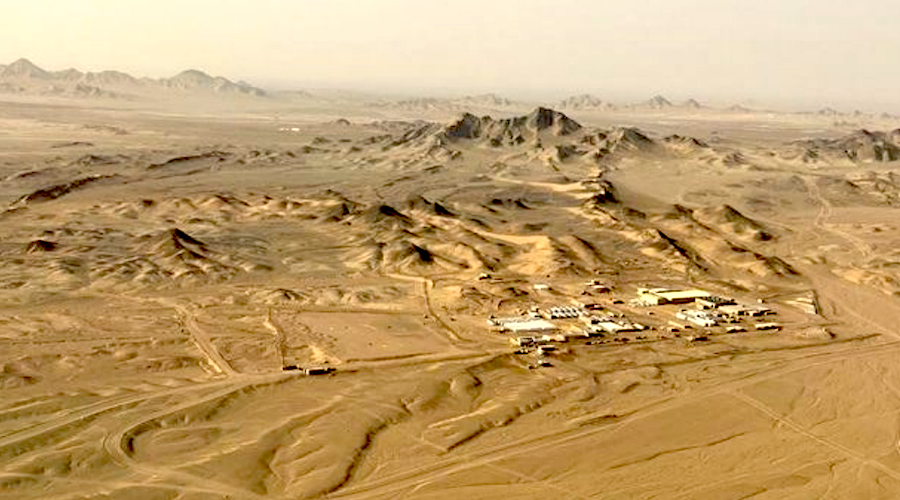
Pakistan’s economic future may hinge on a single site deep in Balochistan: the Reko Diq mine. Touted as one of the largest untapped gold and copper deposits in the world, Reko Diq is being positioned as the project that could reshape Pakistan’s fiscal fortunes—if the right global partnerships fall into place.
Army Chief Asim Munir has described the mine as a potential lifeline, projecting annual revenues of at least $2 billion once production begins in 2026. With an estimated 12.3 million tonnes of copper and more than 20 million ounces of gold underground, the scale of the reserve has long made Reko Diq both a national ambition and a geopolitical flashpoint.
The Economic Promise
Munir has framed the mine as a transformative opportunity to reduce Pakistan’s debt burden and unlock prosperity. For a nation facing persistent balance-of-payment crises, inflationary pressures, and dwindling foreign reserves, such a project carries enormous symbolic and practical weight.
If operationalized successfully, Reko Diq could become the cornerstone of Pakistan’s export economy, bringing in billions annually and offering the government breathing room in international debt markets.
The Geopolitical Equation
While Munir has spoken of “balanced partnerships” with both Washington and Beijing, the reality is that China’s influence may prove decisive. Through the China-Pakistan Economic Corridor (CPEC), Beijing already wields significant leverage in Pakistan’s infrastructure and energy sectors. Analysts suggest Reko Diq could become an extension of that ecosystem, reinforcing China’s strategic role in South Asia’s resource networks.
At the same time, Islamabad continues to court U.S. diplomatic and financial engagement, aware that overreliance on a single partner could deepen vulnerabilities. Munir’s rhetoric reflects this delicate balancing act, positioning Pakistan as open to multiple global stakeholders.
Local Fault Lines
Balochistan’s complex security landscape remains a critical challenge. Separatist groups have long opposed federal extraction projects, arguing that the province’s resources are being exploited without local benefit. The government insists that revenues from Reko Diq will contribute to national stability and development, but critics warn that unless local communities are meaningfully included, the project could inflame existing tensions.
Strategic Outlook
Reko Diq is more than a mining project—it is a test case for Pakistan’s ability to convert natural resources into sustainable growth while navigating volatile geopolitics. Success will require not only Chinese engineering and capital but also governance frameworks that ensure transparency, security, and equitable distribution of benefits.
Whether Reko Diq becomes the foundation of a new economic era or another symbol of unrealized potential will depend on how Islamabad balances domestic sensitivities with international alliances.
Partner With Us
Want to feature your brand, business, or service on 365247 — Whether you’re looking to sponsor, collaborate, or build presence within our ecosystem, we’d love to explore it with you.
Submit your interest here
IMAGE: Barrick’s Presentation