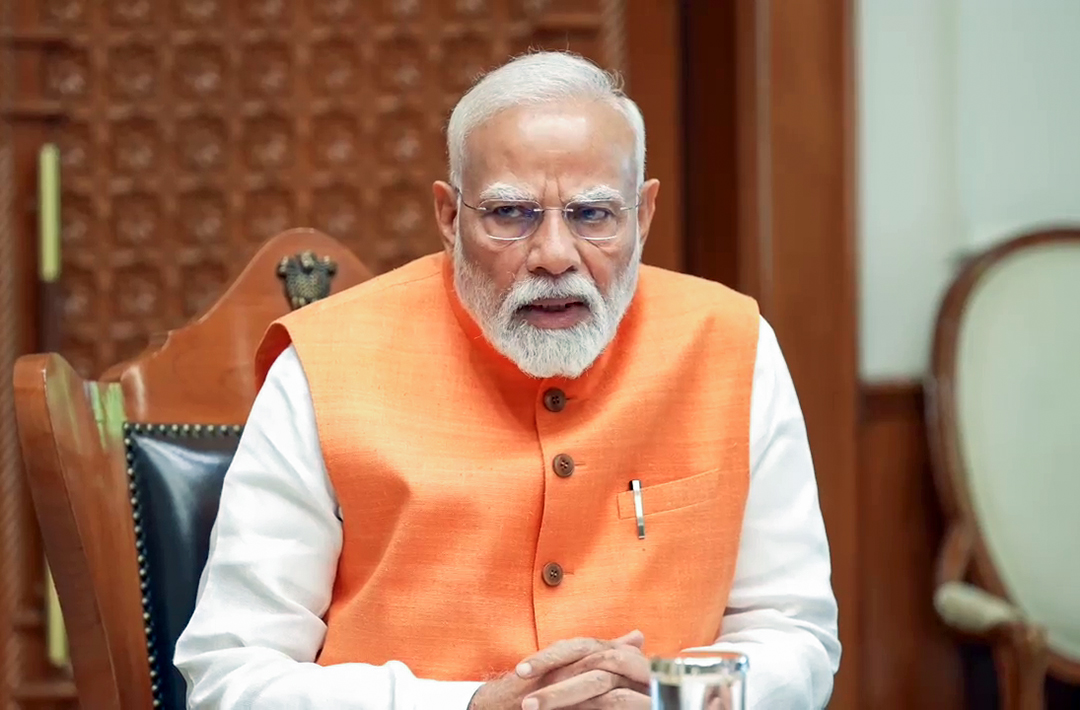
Prime Minister Narendra Modi has announced India’s most significant tax overhaul in nearly a decade, slashing Goods and Services Tax (GST) rates in a move designed to ease consumer costs, boost growth, and strengthen political positioning at home and abroad.
The reforms, unveiled on Saturday, mark the largest shake-up to the GST system since its introduction in 2017. The government will abolish the 28% tax bracket and shift most goods from the 12% category into the lower 5% slab. The changes, set to take effect in October, will lower prices on daily essentials and consumer electronics, directly benefitting households and global brands operating in India, including Nestlé, Samsung, and LG Electronics.
Balancing Growth and Revenue Risks
While the cuts are expected to improve consumer sentiment and stimulate demand, they come with a fiscal cost. The GST accounts for a major share of state and federal revenue, and analysts estimate the changes could reduce annual collections by roughly $20 billion.
Economists at IDFC First Bank project the reforms could lift India’s GDP growth by 0.6 percentage points over the next year. At the same time, the loss of revenue will test the government’s ability to balance growth priorities with fiscal discipline.
Political Timing and Trade Frictions
The tax overhaul coincides with intensifying trade tensions with the United States. Washington recently raised tariffs on Indian imports to 50%, prompting calls within India to reduce reliance on U.S. goods. In his Independence Day speech, Modi reinforced his “Make in India” agenda, urging citizens to support domestically produced products.
Domestically, the cuts are also viewed through a political lens. With a crucial state election in Bihar looming, the reform is seen as both an economic stimulus and a political maneuver. Analysts argue the move could win broad public support, as GST reductions benefit the wider population compared to income tax cuts, which affect only a small portion of taxpayers.
Reforming a Complex System
Introduced in 2017 as a unified nationwide tax, GST was designed to streamline India’s fragmented tax system. Yet the four-tier structure—5%, 12%, 18%, and 28%—quickly drew criticism for its complexity and inconsistencies. Items ranging from popcorn to automobiles fell into different brackets, often in ways that baffled consumers and businesses alike.
By abolishing the highest slab and consolidating others, the new framework aims to simplify the system, encourage consumption, and make compliance easier.
Strategic Outlook
For Modi, the GST overhaul serves multiple objectives: boosting economic activity, positioning India as more business-friendly, countering the effects of U.S. tariffs, and strengthening his political base ahead of state and national elections.
Yet the reforms raise longer-term questions. Can India sustain growth while forgoing billions in tax revenue? And will simplification be enough to address deeper structural issues in the GST system, such as compliance gaps and uneven distribution of revenues between the center and states?
For now, what is clear is that India has delivered its boldest fiscal signal in years—one that will be felt in households, boardrooms, and political circles alike.
Partner With Us
Want to feature your brand, business, or service on 365247 — Whether you’re looking to sponsor, collaborate, or build presence within our ecosystem, we’d love to explore it with you.
Submit your interest here
IMAGE: ANI