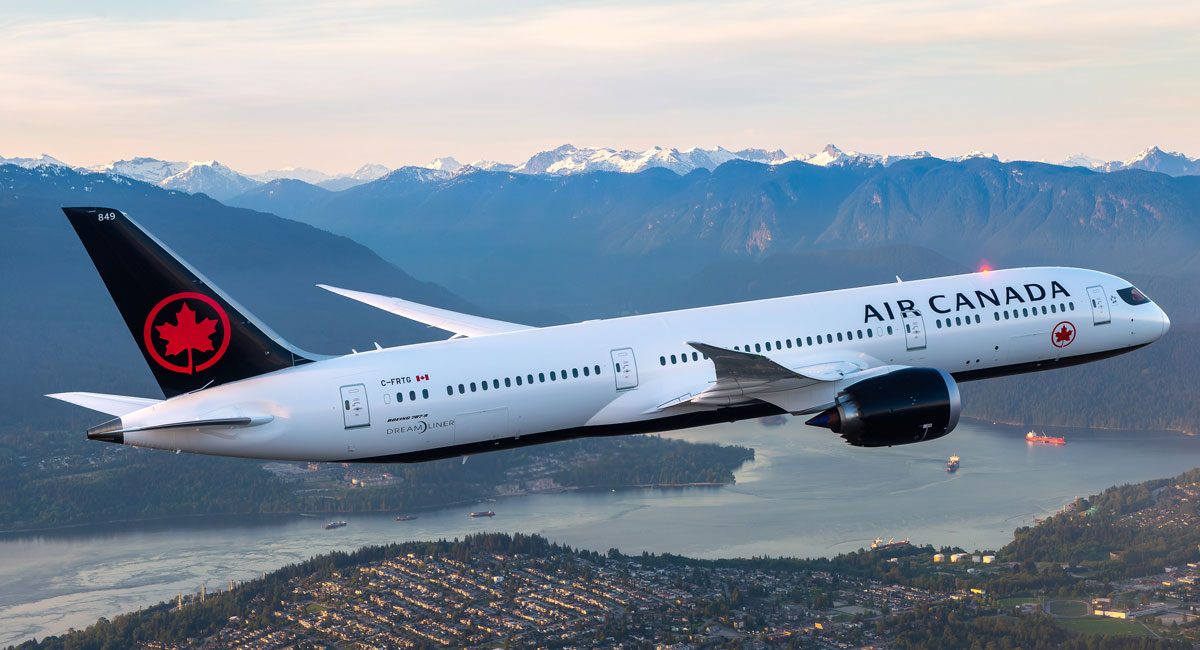
Air Canada’s operations remain in turmoil after more than 10,000 flight attendants refused to comply with a government order to return to work, extending a nationwide strike that has already disrupted hundreds of flights and stranded over 100,000 passengers.
The Canadian Union of Public Employees (CUPE), which represents the flight attendants, announced on Sunday that members would continue strike action despite a directive from the Canadian Industrial Relations Board (CIRB) requiring binding arbitration. The union insists the order is unconstitutional and has instead urged Air Canada to resume direct negotiations toward a “fair deal.”
Government Intervention and Legal Dispute
On Saturday, Prime Minister Mark Carney’s government stepped in to curb the escalating disruption by requesting the CIRB to enforce binding arbitration—an option available under the Canada Labour Code when the economy is at risk. The intervention mirrored past government action, such as moves to pre-empt rail and port strikes during the previous administration.
However, this time the union has chosen open defiance. CUPE has sharply criticized CIRB chair Maryse Tremblay for what it calls a “conflict of interest,” citing her prior role as legal counsel for Air Canada between 1998 and 2004. The union argues this undermines confidence in the fairness of arbitration proceedings.
Operational and Economic Impact
Air Canada had anticipated resuming flights on Sunday evening following the government’s order but now faces prolonged disruption. Approximately 700 flights were canceled on Saturday alone, severely affecting travel across Canada and international routes. The airline has warned that cancellations will likely continue for up to 10 days as it works to stabilize operations.
The strike—the first by Air Canada’s flight attendants since 1985—was triggered after contract negotiations broke down earlier this summer. A core point of contention remains pay structure: attendants are largely compensated only when aircraft are in motion, leaving unpaid gaps during boarding, ground delays, and turnaround times. CUPE is demanding reforms to recognize this unpaid labor.
Strategic Outlook
Air Canada’s challenge lies not only in restoring operations but also in managing public perception. With passengers stranded and unions questioning the neutrality of the arbitration process, the dispute risks eroding trust in the airline’s labor relations model. For the government, the standoff raises broader questions about the limits of intervention in private-sector labor disputes—particularly when unions openly challenge the authority of the CIRB.
For now, both sides remain entrenched. The government insists on arbitration as the fastest route to restoring stability, while CUPE maintains only direct negotiation will produce an agreement that addresses the realities of flight attendants’ work. With economic, operational, and reputational costs mounting, this confrontation may set a precedent for how Canada handles high-impact strikes in strategic sectors moving forward.
Partner With Us
Want to feature your brand, business, or service on 365247 — Whether you’re looking to sponsor, collaborate, or build presence within our ecosystem, we’d love to explore it with you.
Submit your interest here