Credit: The Athletic
The 2010 FIFA World Cup in South Africa is often remembered for the controversial Jabulani football. Its unique design—fewer panels than any ball before or since—led to unpredictable movement and reduced drag, frustrating goalkeepers and outfielders alike. England’s Joe Cole and Brazil’s Robinho criticized the ball, lamenting its effect on skill and control. Yet, fifteen years later, references to the Jabulani are often surprisingly fond: fans describe it as chaotic, exciting, or even the “GOAT ball,” despite statistics showing a low goals-per-game rate and few goals from outside the box.
This shift in perception is fueled by selective memory and digital accessibility. Viral clips of spectacular goals, like Giovanni van Bronkhorst’s strike against Uruguay or Diego Forlan’s free kicks, dominate online narratives, while missteps and underwhelming performances fade from collective memory. This phenomenon highlights the rise of “turbo-nostalgia,” where easily consumable highlights can distort our view of the past.
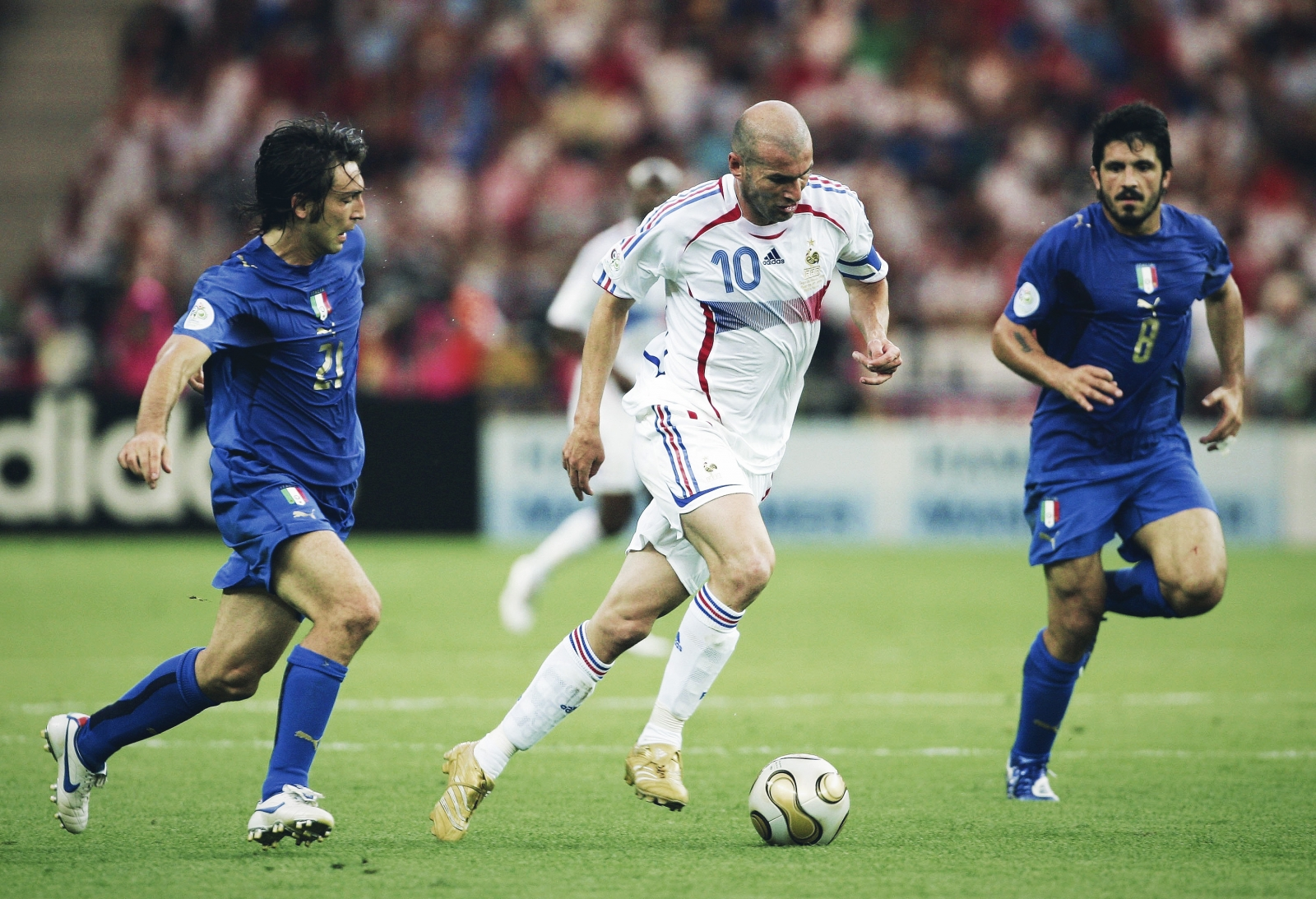
Football’s retrospective bias extends to players as well. Icons like Ronaldo and Zinedine Zidane are celebrated largely based on curated highlights rather than holistic analysis. In contrast, current stars like Kylian Mbappé are scrutinized in real time, illustrating how selective memory reshapes reputations across eras. Similarly, past seasons and tournaments are often idealized, while contemporary competitions face unfair comparisons, as seen in reactions to Euro 2024.
Even broader societal trends reflect this nostalgic distortion. Younger generations often idealize periods before their own experience, a bias mirrored in sports fandom, where “the golden era” is frequently a time fans never lived through. The consequence is a distorted perception of the present, overshadowing the genuine quality of today’s competitions.
Lessons for Sports Organizations
- Content Curation and Legacy Marketing: Clubs, leagues, and broadcasters can leverage nostalgia and historical highlights to enhance fan engagement. Carefully curated archives and highlight reels can drive social media traction and maintain long-term fan loyalty.
- Data-Driven Storytelling: While nostalgia is powerful, integrating comprehensive performance metrics alongside iconic moments ensures fans maintain an accurate understanding of player and team value.
- Fan Engagement Strategies: Understanding generational perceptions helps shape marketing campaigns and content delivery, balancing retro appeal with real-time highlights to attract younger audiences.
- Sponsorship and Commercial Opportunities: Nostalgia campaigns and historical storytelling provide unique platforms for sponsors to associate with iconic moments, bridging past and present in brand narratives.
Takeaway
Football, like all sports, is subject to the distortions of memory and selective media consumption. While the Jabulani era may now be remembered with fondness, modern football—particularly the current Premier League season—offers record attendance, high goals-per-game rates, and technical excellence. For leagues, teams, and brands, recognizing these perceptions and strategically managing nostalgia can drive engagement, grow audiences, and enhance commercial outcomes.
Partner With Us
Want to feature your brand, business, or service on 365247 — Whether you’re looking to sponsor, collaborate, or build presence within our ecosystem, we’d love to explore it with you.
Submit your interest here