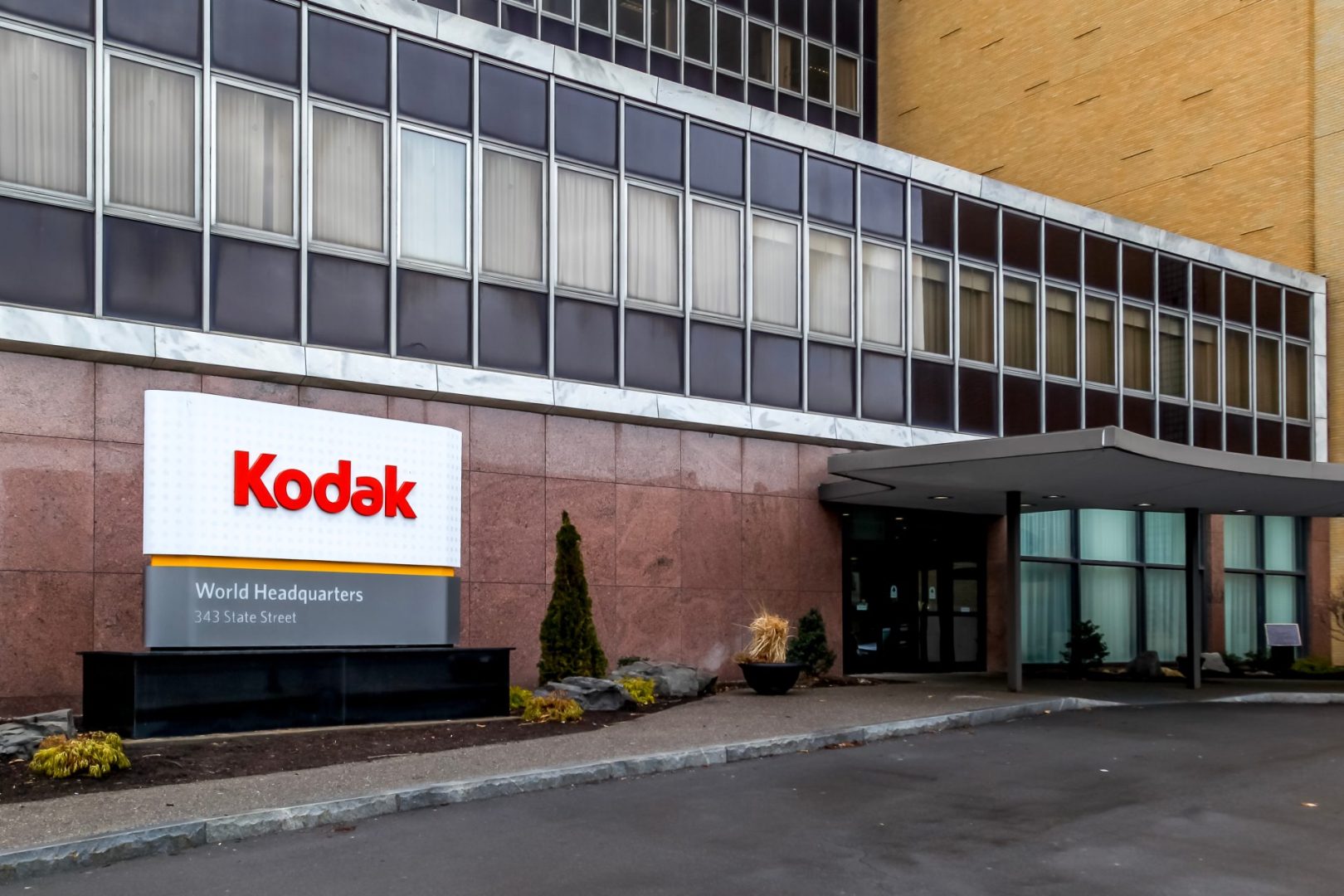
Eastman Kodak Co., a company with more than 130 years of history and a name synonymous with photography, is once again in the spotlight—this time over concerns surrounding its financial obligations.
In a recent regulatory filing, the Rochester, New York-based company acknowledged that it has debt maturing within the next 12 months and currently lacks committed financing or sufficient liquidity to meet those obligations under existing terms. This disclosure has raised questions about the company’s ability to continue as a going concern.
As of June 30, Kodak reported holding $155 million in cash and equivalents, with $70 million of that sum located in the United States. Despite the cautious language in its filing, Kodak has emphasized that this disclosure reflects accounting requirements rather than a reflection of its operational confidence.
The company stated it expects to address a substantial portion of its term loan obligations well ahead of schedule and plans to amend, extend, or refinance its remaining debt and preferred stock commitments. Kodak’s leadership has also highlighted ongoing measures to strengthen its balance sheet, including its decision last year to end its retirement income plan—a move designed to reduce long-term liabilities. According to Chief Financial Officer David Bullwinkle, Kodak anticipates clarity this week on how it will meet its pension obligations and expects the reversion process to conclude by December.
A Company of Reinvention
Founded in 1880 by George Eastman, Kodak played a transformative role in democratizing photography. Its iconic Brownie and Instamatic cameras, along with the instantly recognizable yellow-and-red film boxes, became staples of the 20th century. However, the rise of Japanese competition and Kodak’s failure to transition swiftly to the digital age saw its dominance erode.
The company filed for bankruptcy protection in 2012, emerging the following year as a leaner enterprise focused on commercial and packaging printing after divesting several of its businesses and patents. The restructuring marked Kodak’s pivot from consumer photography to B2B-driven industries.
Looking Ahead: From Film to Pharmaceuticals
Today, Kodak is not only working through its financial restructuring but is also investing in new industrial directions. The company is nearing completion of a manufacturing facility designed for regulated pharmaceutical products, building on its current operations in unregulated pharmaceutical materials. Production at the upgraded plant is expected to begin later this year, signaling another chapter in Kodak’s long history of reinvention.
Strategic View
Kodak’s latest disclosure underscores the ongoing tension between legacy debt and future-facing reinvention. While short-term liquidity pressures cannot be ignored, the company’s willingness to pivot industries—this time toward pharmaceuticals—suggests a roadmap that extends beyond its film-era identity. For stakeholders, the key question remains whether Kodak can balance financial obligations with innovation-driven growth quickly enough to reassure investors and secure long-term resilience.
Partner With Us
Want to feature your brand, business, or service on 365247 — Whether you’re looking to sponsor, collaborate, or build presence within our ecosystem, we’d love to explore it with you.
Submit your interest here
IMAGE: Shutterstock