Credit: Joe Pompliano
In the world of professional sports, most franchises still measure success by ticket sales, sponsorship deals, and on-field results. The Atlanta Braves, however, have built a far more powerful and profitable engine — one rooted in real estate.
As one of the few publicly traded sports franchises in the United States, the Braves offer rare transparency into the economics of a modern sports business. Their latest earnings report revealed quarterly revenues of $312 million, up 10% year-on-year, driven by higher income from tickets, concessions, parking, and sponsorships — even with fewer fans attending games in 2025.
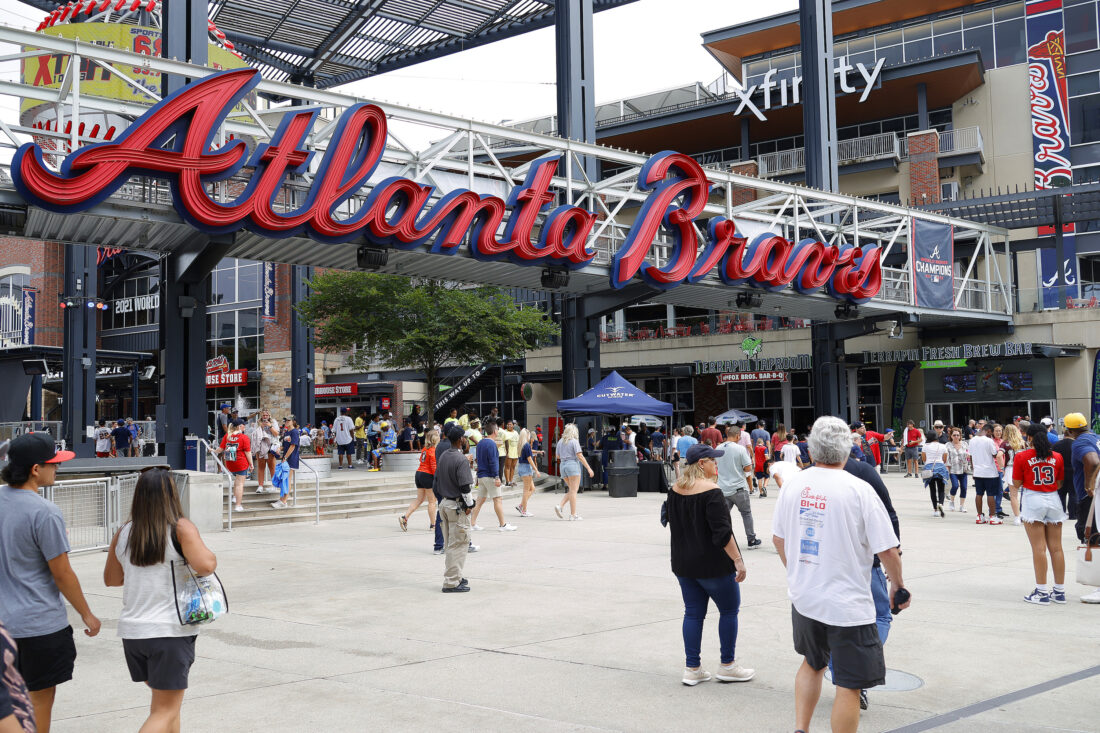
But the most transformative revenue stream doesn’t come from the ballpark itself. It comes from The Battery, a 75-acre mixed-use development surrounding Truist Park.
The Battery: From Game-Day Add-On to Cash Cow
In 2024, The Battery welcomed nine million visitors, with nearly one in five traveling from outside Georgia. Visitors spent an average of three hours per visit, fuelling $67.3 million in revenue last year alone.
Unlike traditional stadium earnings, this income sits entirely outside Major League Baseball’s revenue-sharing structure, meaning the Braves keep every dollar. Even more compelling — the development operates at profit margins approaching 70%, supported by highly favorable lease terms with commercial tenants.
Why This Matters for the Future of Sports Business
Historically, professional sports teams have operated as high-revenue, high-expense ventures. Player salaries, facility costs, and competitive pressures often leave slim operating margins. The Braves’ approach changes that equation. By investing in a vibrant, year-round destination, they’ve created a flywheel effect:
- Consistent foot traffic outside the season.
- Predictable, recurring revenue from long-term leases.
- Brand integration that strengthens the Braves’ market presence.
Crucially, The Battery isn’t static. The Braves continue acquiring surrounding properties, giving them control over future development and the ability to compound their returns.
The Blueprint for Other Teams
For sports executives, the Braves’ model represents more than a success story — it’s a blueprint. Mixed-use real estate developments create independence from the volatility of on-field performance and turn sports franchises into lifestyle and entertainment brands.
If your favorite team isn’t already exploring a similar strategy, it’s likely only a matter of time. The economics are too compelling, the fan experience too enriched, and the competitive advantage too clear to ignore.
Partner With Us
Want to feature your brand, business, or service on 365247 — Whether you’re looking to sponsor, collaborate, or build presence within our ecosystem, we’d love to explore it with you.
Submit your Interest Here
IMAGE: AP