CREDIT: Yahoo Finance
The automotive industry is feeling the full weight of newly imposed U.S. tariffs, with several of the world’s largest manufacturers reporting billions in lost earnings during the most recent quarter.
Toyota, the world’s biggest automaker, was among the hardest hit, disclosing that tariffs reduced its operating income for the quarter ending June 30 by over $3 billion. Industry-wide, combined disclosures from leading automakers indicate a total tariff-related hit of approximately $11.7 billion. Toyota’s exposure topped the list, followed by Volkswagen, General Motors, Ford, Honda, and others. Chinese automakers were excluded from these figures as they do not have U.S. operations.
Why the Costs Are Rising
The tariffs extend beyond vehicle imports to include auto parts and components, disrupting supply chains across North America and Asia. Japanese brands like Toyota and Honda face a 15% duty on imports from Japan, while a broader 25% tariff applies to automotive goods from countries such as Canada and Mexico. This also affects U.S. manufacturers with cross-border operations under the USMCA trade pact.
Even domestic manufacturers like Tesla are feeling the pressure due to tariffs on imported parts, including EV batteries. The company has indicated that the full financial effects will be more visible in the coming quarters.
Limited Options for Automakers
Industry analysts say there are two main strategies to offset tariffs — shifting production to the U.S. or raising prices. Both come with significant challenges.
Building a new assembly plant can take three to five years and cost between $1–2 billion, while retooling an existing facility can still run into hundreds of millions. Automakers must weigh whether these long-term investments make sense given the uncertainty of political and trade policy.
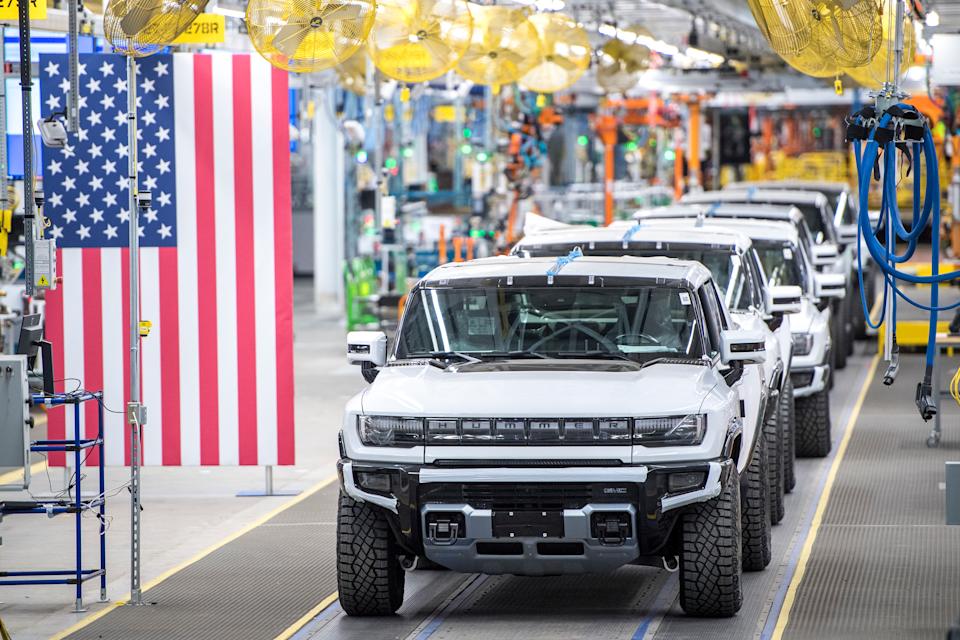
High-volume models such as the Nissan Rogue are already produced in the U.S., but relocating other mass-market or niche luxury models often doesn’t make financial sense.
Company Responses So Far
- General Motors plans to invest $4 billion to expand U.S. production of certain trucks and SUVs, with some models currently made in Mexico set to shift stateside by 2027.
- Honda is exploring adding a third production shift at its U.S. plants to reduce tariff exposure, though the company has denied speculation about moving certain model production from Canada.
- Tesla is working to establish a U.S. battery facility by year-end to lower reliance on imported components.
Some automakers, like Ford, initially responded with aggressive price promotions but have since begun increasing prices on certain models. Others, including GM, have maintained pricing power but are adjusting financing terms and incentives to preserve margins.
The Bottom Line
Despite cost-cutting measures and strategic shifts, experts agree that automakers will not be able to fully absorb the financial impact of tariffs. Prices for consumers are likely to rise across the board — regardless of whether the vehicle is imported or built in the U.S.
As one industry analyst put it, the outcome is clear: everyone will end up paying more.
Partner With Us
Want to feature your brand, business, or service on 365247 — Whether you’re looking to sponsor, collaborate, or build presence within our ecosystem, we’d love to explore it with you.
Submit your Interest Here
IMAGE: Getty Images