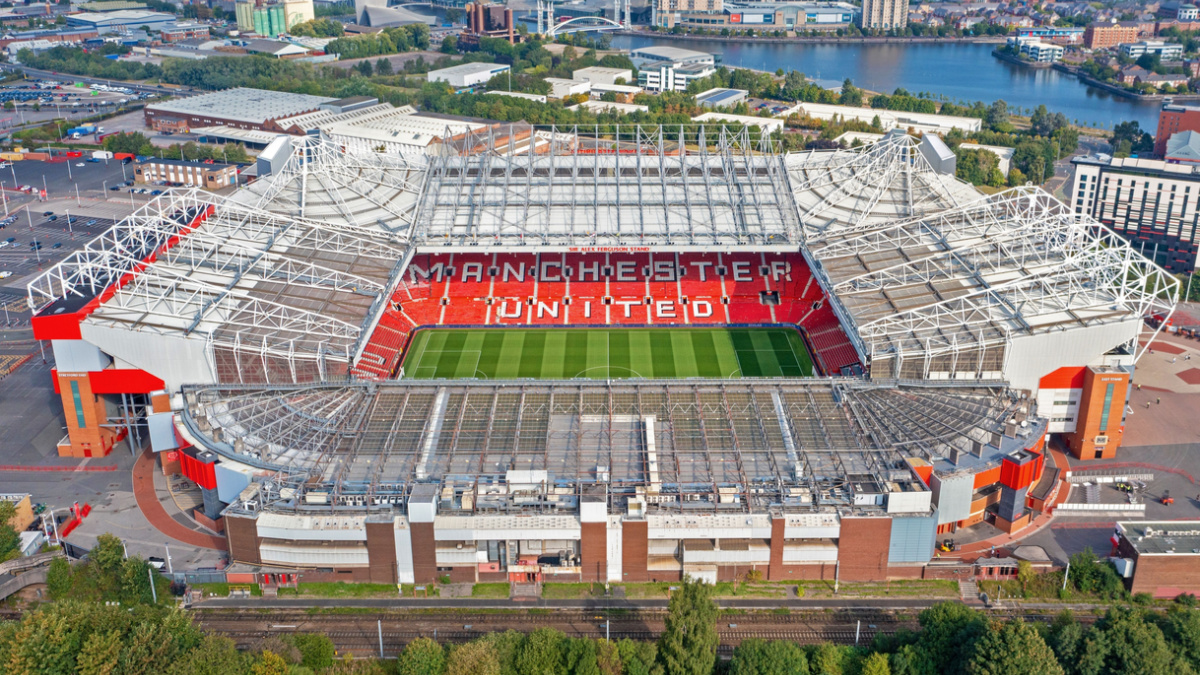
Manchester United’s ambitious plan to build a 100,000-capacity stadium—touted as the “Wembley of the North”—has hit its first major roadblock due to a land dispute that could significantly delay the club’s £4.2 billion Old Trafford regeneration project.
At the heart of the issue is a parcel of land adjacent to Old Trafford, currently owned by Freightliner, a freight transport company operating at the Trafford Park rail terminal since the 1990s. The club views this land as essential for its proposed stadium development, but negotiations over its valuation have stalled.
While Manchester United estimates the site to be worth between £40–50 million, Freightliner—owned by Canadian infrastructure firm Brookfield—is reportedly seeking £400 million, nearly ten times that amount. With both parties locked in a stalemate, the timeline for the stadium’s proposed 2030 completion is under threat.
A Strategic Parcel With Wider Regional Impact
The significance of the site extends beyond football. Greater Manchester mayor Andy Burnham has championed the wider regeneration effort, highlighting the potential for economic impact across the North of England. He has suggested that removing freight operations from the site could revitalise industrial land, ease pressure on local rail infrastructure, and serve as a catalyst for regional growth.
Estimates suggest the regeneration could generate up to £7.3 billion in gross value added to the UK economy and create over 90,000 jobs, adding further weight to Manchester United’s push to secure the land.
Regeneration Meets Resistance
Sir Jim Ratcliffe, Manchester United co-owner and leading figure behind the redevelopment plans, has framed the project as one of civic pride and long-term economic benefit. Backed by a coalition including Burnham and Lord Sebastian Coe—now chair of the Old Trafford Mayoral Development Corporation—Ratcliffe has made clear this is more than a stadium build. It is a vision for urban renewal.
The full cost of the regeneration project is estimated at £4.2 billion, with more than £2 billion earmarked for the new stadium alone. The scale of the investment has drawn scrutiny, particularly given ongoing cost-cutting measures at the club, including staff layoffs and cancelled events.
What Happens Next?
If a commercial agreement with Freightliner cannot be reached, one potential solution could involve a compulsory purchase order (CPO) via the Mayoral Development Corporation. While legally viable, this approach is expected to be contested and could further complicate an already tight development schedule.
As it stands, the dispute represents a critical moment for one of the most ambitious infrastructure projects in British sport. The outcome will not only shape the future of Manchester United’s stadium but could also impact the trajectory of the club’s role in Northern England’s broader economic strategy.
Partner With Us
Want to feature your brand, business, or service on 365247 — Whether you’re looking to sponsor, collaborate, or build presence within our ecosystem, we’d love to explore it with you.
Submit your Interest Here
IMAGE: Shutterstock