CREDIT: Financial Times
The global luxury sector is entering a period of recalibration.
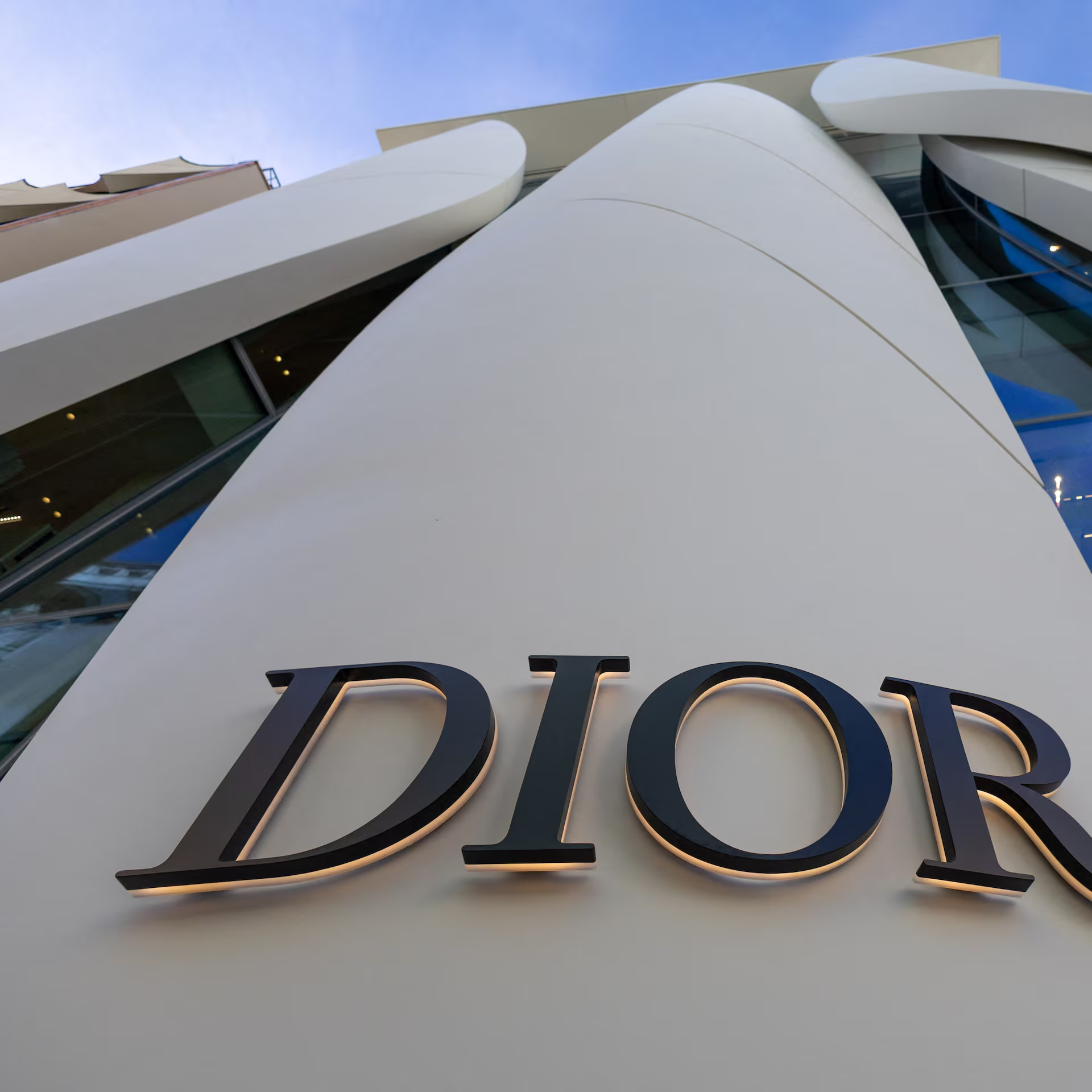
In the second half of 2025, leading brands across fashion, accessories, and cosmetics are confronting an emerging challenge: the slowdown of tourist-driven demand in Europe and Japan. Traditionally seen as the sector’s golden goose, international travelers—especially affluent spenders—are no longer driving sales at the same levels in core hubs such as Paris, Milan, and Tokyo.
While travel has bounced back since the pandemic, the diversification of global destinations means consumer spend is no longer concentrated in iconic luxury capitals. Japan, once a magnet for high-net-worth visitors due to the weak yen and exceptional service standards, has seen a visible drop in inbound spending. And the ripple effects are hitting retail floors.
From Flagship Floors to Digital Frontiers
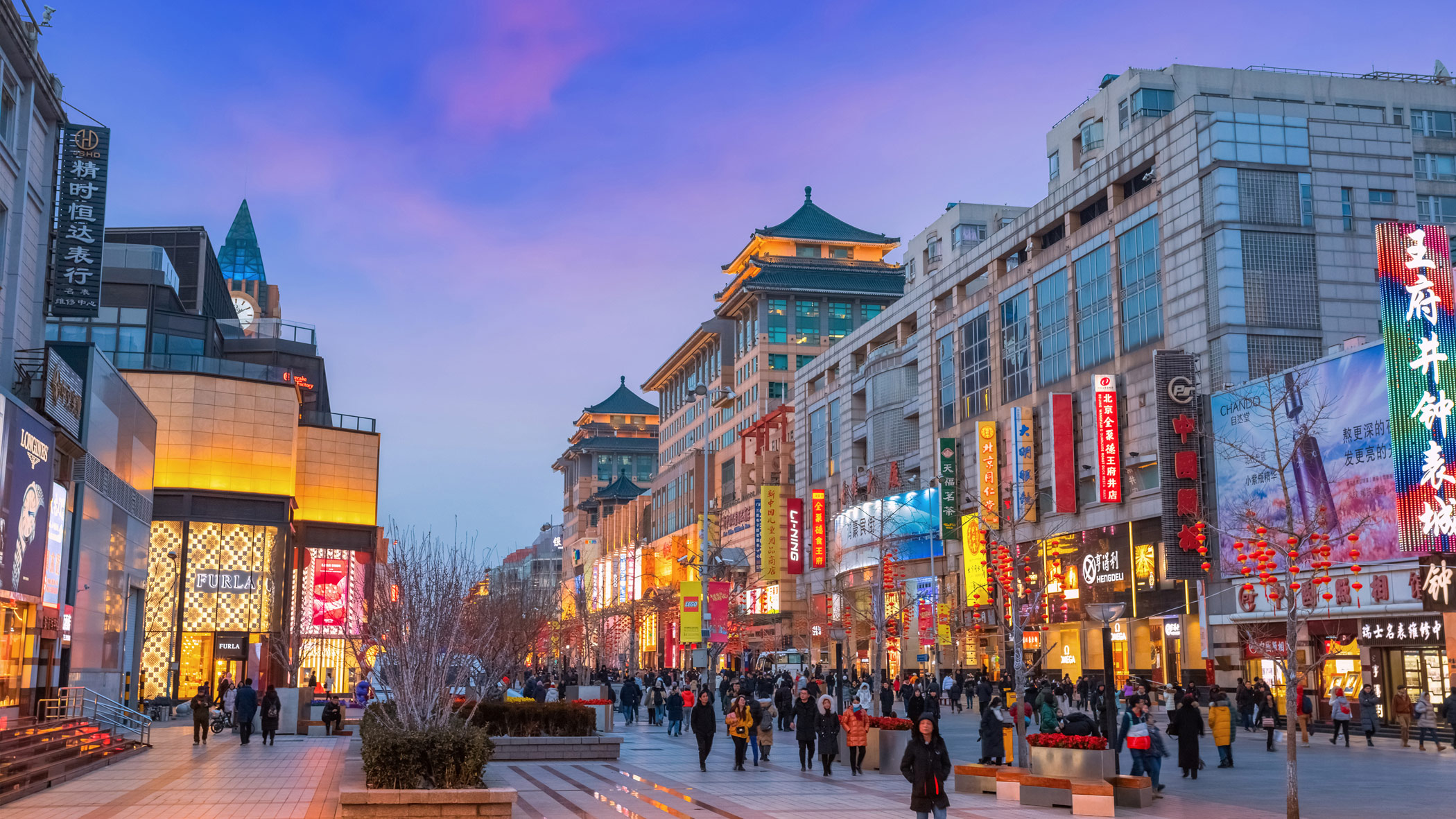
This cooling of tourist demand is pushing brands and high-end department stores to rethink their store strategies and location portfolios. Foot traffic in traditionally tourist-heavy neighborhoods is thinning, leading to lower-than-expected revenues—even in the world’s most glamorous storefronts.
In response, luxury brands are shifting gears:
- E-commerce platforms are receiving increased investment, as brands look to capture more consistent, direct consumer engagement.
- Geographic focus is expanding toward regions with stronger domestic demand—think the U.S., South Korea, and parts of Southeast Asia.
- There’s an elevated focus on personalized services, exclusive capsule collections, and member-only experiences aimed at retaining ultra-high-value clients.
Fragmented Demand, Rising Complexity
The slowdown reveals a deeper transformation in luxury consumer behavior. Affluent shoppers are no longer tethered to traditional shopping trips or tied to iconic fashion cities. Instead, they are exploring niche destinations, shopping across more fragmented touchpoints, and making fewer in-store splurges tied to travel.
What’s more, the shift away from tourist-heavy footfall is not consistent across all markets. Select locations—those offering strong cultural context, brand storytelling, or recently opened flagship boutiques—are still performing well. But for the majority, agility and innovation are no longer optional.
Strategic Implications: The Era of Passive Revenue Is Over
The deceleration in tourism-led sales doesn’t mean the luxury sector is in decline—far from it. Many brands continue to outperform market benchmarks. But what’s becoming clear is that old retail assumptions are breaking down.
Brands that previously enjoyed organic growth through tourist inflow must now operate in a more competitive, complex, and digitally nuanced market. The emphasis is shifting toward lifetime value over one-time splurges, and localised relevance over global uniformity.
The Road Ahead
As 2025 unfolds, the luxury sector faces a defining moment. Brands that can successfully diversify revenue streams, elevate digital ecosystems, and deepen loyalty with domestic audiences are more likely to thrive.
Luxury is no longer just about where you are—it’s about how well you can follow the customer, wherever they go next.
All Credit Goes to The Financial Times
Partner With Us
Want to feature your brand, business, or service on 365247 — Whether you’re looking to sponsor, collaborate, or build presence within our ecosystem, we’d love to explore it with you.
Submit Your Interest Here