CREDIT: Bloomberg
For years, Puma has talked about becoming more aspirational—aiming to rise from an everyday sportswear label into a premium lifestyle brand. But newly appointed CEO Arthur Hoeld has delivered a sobering reality check: instead of being seen as elevated, Puma is increasingly perceived as cheap.
Hoeld, a longtime Adidas executive, took the reins last month with a clear-eyed mandate: turn around the 77-year-old German sportswear company and restore its growth trajectory. Yet the road ahead appears steep. In his first major address to investors, Hoeld announced a 20% drop in projected sales and warned that Puma is likely to post a loss this fiscal year—an unusually blunt financial reset for a publicly traded brand.
A Familiar Struggle in a Fierce Market
Hoeld’s arrival comes amid escalating pressure in the athletic and lifestyle footwear space. While Puma has faltered, smaller and faster-growing competitors like On, Hoka, and New Balance have aggressively expanded, taking over shelf space at key retailers. Even legacy giants like Adidas and Nike, which had faced recent setbacks, are now regaining momentum—Adidas riding a wave of nostalgia with its Samba revival, and Nike surging back with new product lines under experienced leadership.
Puma, meanwhile, has struggled to stand out. Despite launching new collections and reviving retro styles, consumer engagement and product visibility remain muted. Puma’s “Go Wild” campaign, for instance, was largely overshadowed by more impactful storytelling from rivals—such as On’s Elmo-fronted “soft wins” campaign or Adidas’s laid-back “You Got This” message.
Inventory Trouble and Retail Retreat
Compounding Puma’s challenges is a ballooning inventory crisis. Warehouses worldwide are packed with unsold sneakers and apparel, and retailers—already favoring faster-moving competitors—are reluctant to place new orders. According to analysts, clearing these stockpiles could take more than a year.
“If you produce more shoes while losing retail space to stronger brands, it quickly becomes toxic,” warned Ingo Speich, a major Puma shareholder.
Speedcat Stumbles and Missed Trends
Puma’s struggles aren’t just operational—they’re strategic. The brand had banked on the comeback of its Speedcatsneaker to ride the thin-soled, low-profile wave sparked by Adidas’s Samba. Despite celebrity endorsements and increased production, the Speedcat failed to catch fire.
In contrast, Adidas quickly capitalized with its Taekwondo franchise, which has since outperformed Speedcat on resale platforms like StockX. Puma’s efforts to command premium pricing have also fallen short—discounts of up to 30% are currently visible across key retro styles like the Palermo and Speedcat, while competitors maintain or raise their price points.
A Strategic Reset Underway
Despite the turbulence, Hoeld’s appointment has sparked cautious optimism. As a former head of global sales at Adidas—and the executive behind many of the brand’s successful retro relaunches—he understands how to build and distribute products that resonate culturally and commercially.
Hoeld has publicly acknowledged the need to reexamine everything—from product mix and design strategy to retail partnerships and storytelling. “Do we have the right products? If so, why are they not achieving the visibility they should?” he asked. Answers are expected with a formal strategy presentation later this October.
Running, in particular, is being eyed as a revival engine. Puma’s Nitro line, launched in 2021, earned credibility among elite runners but failed to break into mainstream markets. Now, Hoeld wants Nitro to become a foundational product line, pushing global awareness and availability. “When we talk innovation in our industry, running is one of the sports that truly matters,” he noted.
Conclusion: Puma at a Crossroads
With inventory challenges, falling sales, and missed cultural moments, Puma finds itself once again in need of reinvention. Hoeld’s leadership may offer a fresh commercial discipline—but the brand must do more than correct course. It must redefine its identity in a marketplace that is more crowded, fragmented, and culturally aware than ever before.
If Puma can reestablish relevance while navigating macro headwinds—from currency volatility to shifting retail dynamics—it may yet reclaim a distinct space in global sportswear. But for now, the comeback story remains unwritten.
All credit for original reporting belongs to Bloomberg.
Partner With Us
Want to feature your brand, business, or service on 365247 — Whether you’re looking to sponsor, collaborate, or build presence within our ecosystem, we’d love to explore it with you.
Submit Your Interest Here
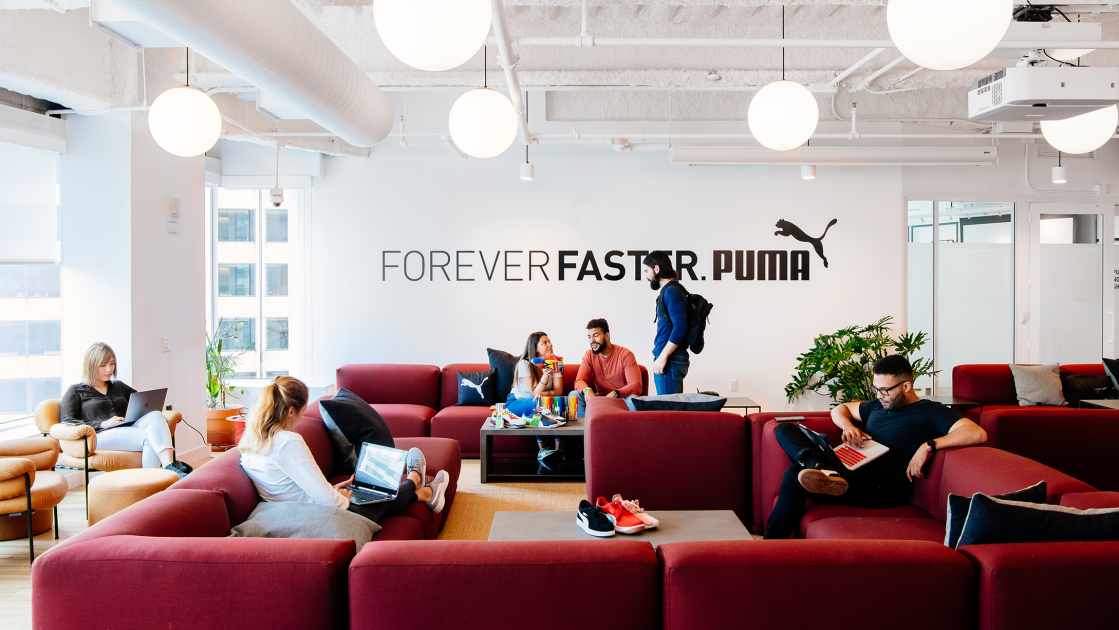
IMAGE: We Work