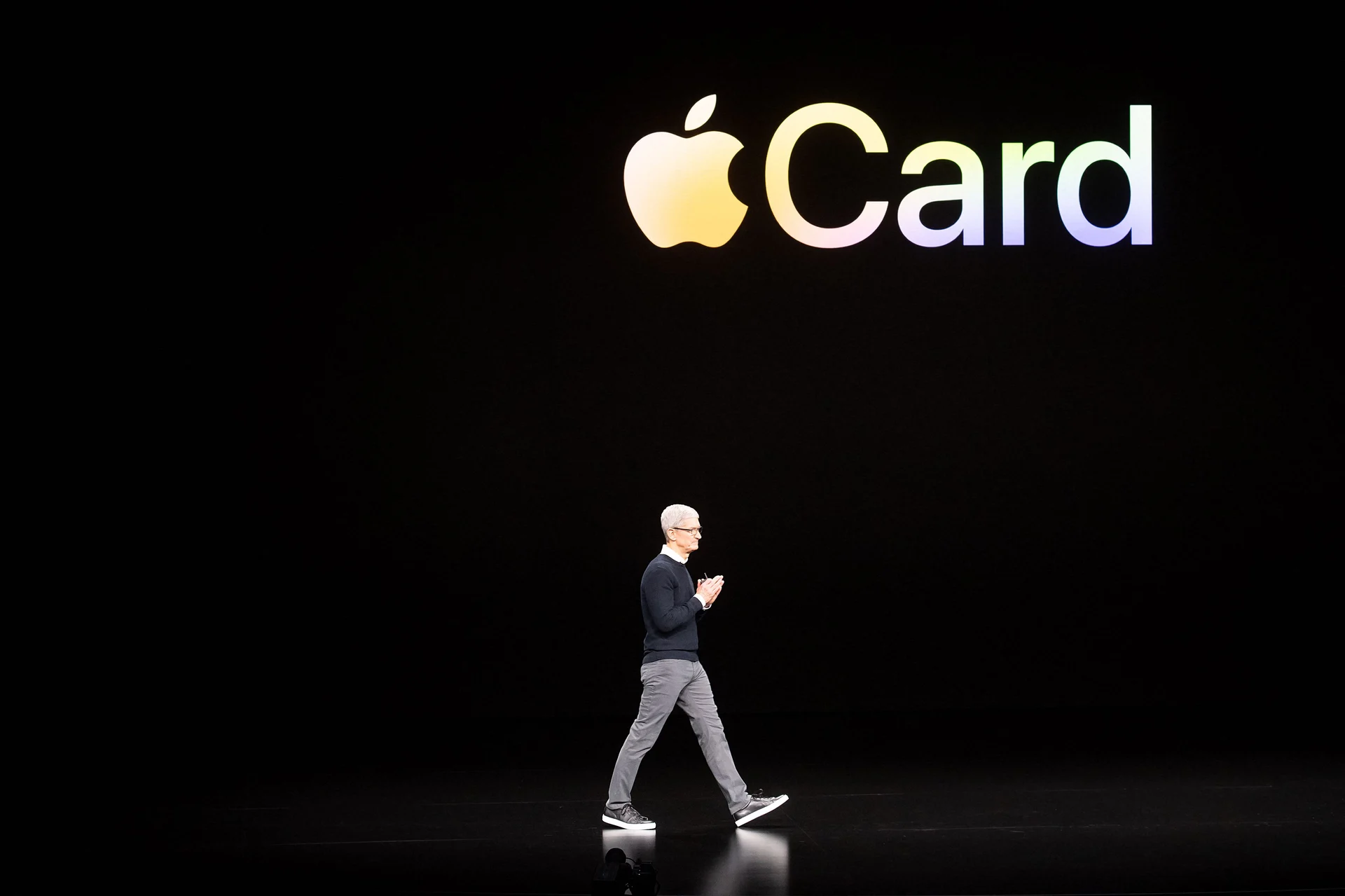
In what could be one of the most significant moves in the U.S. credit card industry this decade, JPMorgan Chase is in advanced negotiations to become the new issuer of Apple’s credit card, according to multiple sources familiar with the matter.
The potential transition would mark a substantial shift in Apple’s financial services strategy, replacing Goldman Sachs—its original launch partner—with the largest bank in the U.S. by assets. Conversations between Apple and JPMorgan have reportedly intensified in recent months, although a final deal has not yet been confirmed.
Why It Matters: Apple and JPMorgan Could Form a Consumer Powerhouse
Should the partnership go through, it would align two consumer juggernauts: Apple, with its ecosystem of over 2 billion active devices, and JPMorgan, with its extensive retail banking network and digital payments expertise.
For Apple, such a move would offer access to a more robust credit infrastructure—one that could help scale its financial services arm beyond the limitations of its current partner. For JPMorgan, the partnership would grant an immediate foothold into Apple’s loyal user base, potentially unlocking new cross-selling opportunities in digital wallets, installment loans, and retail financing.
From Goldman to Groan: Why the Shift?
Since the Apple Card’s launch in 2019, Goldman Sachs has held the reins as the program’s financial engine. But while the initiative allowed Goldman to enter the consumer finance space, it has struggled with profitability and risk exposure—particularly to subprime borrowers.
Recent disclosures revealed that 34% of Apple Card balances at Goldman Sachs are held by individuals with credit scores below 660, significantly higher than JPMorgan’s own credit card portfolio, where that segment represents only 15% of total balances.
Delinquency is also a concern. At the end of Q1, Goldman’s 30+ day delinquency rate stood at around 4%, higher than the industry average of 3.05%. The Apple Card’s no-late-fee model has further constrained the program’s economics for the issuing bank, making it less attractive in a rising-rate environment.
Visa, Mastercard, and the Network War
Parallel to the issuer shake-up, Visa is reportedly bidding to become the exclusive network for Apple Card transactions, in a challenge to Mastercard’s current position. Industry insiders suggest Visa has offered Apple as much as $100 million to take over as the card’s processing network—a sign of just how valuable the Apple Card platform has become in the global payment infrastructure race.
Legal Shadows, Strategic Crossroads
The backdrop to all this is not without controversy. A recent lawsuit accusing Apple, Visa, and Mastercard of anti-competitive practices was dismissed in a U.S. federal court earlier this month. The case had alleged illicit financial incentives between Apple and the payment networks that potentially inflated transaction costs. While the ruling clears the path for future changes, it underscores the intense scrutiny surrounding Big Tech’s growing footprint in financial services.
What Comes Next?
Although nothing has been finalized, the momentum suggests a high likelihood of transition. Still, subprime risk exposure and portfolio economics remain key negotiation hurdles. The outcome could reshape how tech and finance giants structure partnerships in an era where hardware, software, and banking are becoming increasingly inseparable.
Partner With Us
Want to feature your brand, business, or service on 365247 — Whether you’re looking to sponsor, collaborate, or build presence within our ecosystem, we’d love to explore it with you.
Submit Your Interest Here
IMAGE: Getty Images