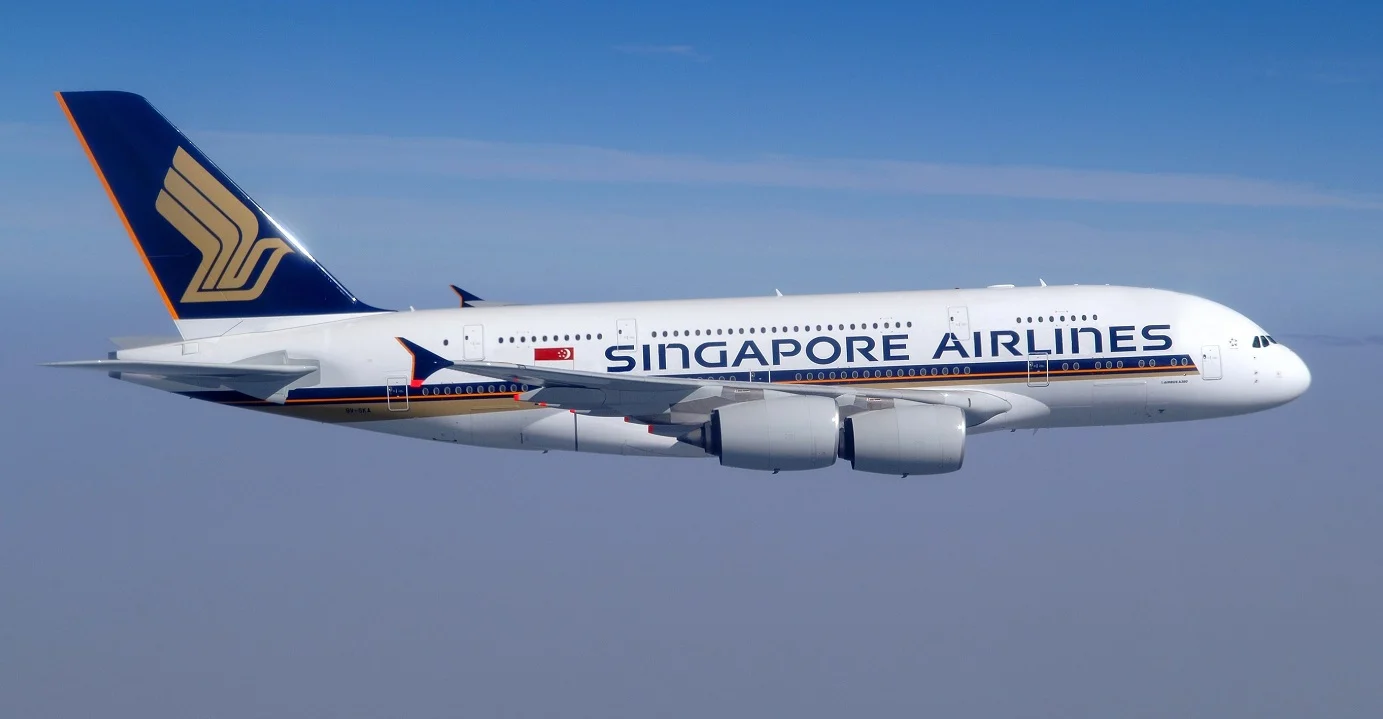
Singapore Airlines, Southeast Asia’s premier aviation brand, has reported a sharp earnings decline in the first quarter of its 2025/26 financial year. The development has prompted a significant investor response, with shares falling over 8% in a single trading session — marking the sharpest drop since mid-2024.
First Quarter Financial Snapshot
For the quarter ending June 30, Singapore Airlines posted a net profit of S$186 million, down 59% from the same period a year earlier. Operating profit also fell nearly 14% year-over-year to S$405 million. According to the carrier, the lower net was driven by reduced interest income and its share of losses from associated companies — a reversal from gains reported in the same quarter last year.
This decline in earnings underscores the tightening margins facing full-service airlines globally, especially as they transition from the post-pandemic travel boom into a more normalized and competitive operating landscape.
Air India’s Drag on Group Performance
A key contributor to the group’s underperformance is its 25.1% equity stake in Air India, following the merger of the Indian national carrier with Vistara — a joint venture previously co-owned by Singapore Airlines and Tata Sons.
SIA began reporting Air India’s financials from December 2024, and the first full quarter of equity accounting has revealed deeper-than-expected losses. Analysts attribute much of the drag to ongoing restructuring, operational challenges, and recent reputational hits — including a high-profile Dreamliner incident in June that reportedly led to a 20% drop in bookings.
Although some losses may be covered by insurance, analysts expect Air India to remain a near-term burden on Singapore Airlines’ bottom line. While last year’s merger contributed positively to SIA’s record full-year profits of S$2.78 billion, the current reality reflects the volatile nature of turnaround bets in large, complex aviation markets like India.
Competitive Pressures and Sector Outlook
Beyond associated losses, Singapore Airlines is also grappling with increased competition and capacity growth. Analysts note that operating margins are beginning to normalize from the extraordinary highs seen during the post-pandemic recovery period.
Passenger demand remains solid, with the group citing strong bookings during the traditional summer peak across most markets. However, cargo performance is showing early signs of strain — cargo revenues declined almost 2% as capacity outpaced demand growth.
While the airline’s diversified global network offers some insulation from regional shocks, external pressures such as geopolitical instability and trade volatility continue to present headwinds for the industry at large.
Looking Ahead: Market Confidence Shaken
Maybank has issued a downgrade on Singapore Airlines, revising its profit outlook downward by up to 29% for the next three years. Citing weaker cargo performance and rising costs, the bank has shifted its rating to “SELL” and slashed its target price to S$6.75, down from the current level of over S$7.
Still, long-term optimism persists. Singapore Airlines emphasized its strong balance sheet, commitment to digital transformation, and a capable workforce as key enablers of resilience.
In a sector defined by cyclical swings, the current phase presents challenges but also an opportunity for recalibration. As Singapore Airlines navigates financial turbulence, its ability to strategically manage partnerships — particularly the integration of Air India — may ultimately shape its next phase of growth.
Partner With Us
Want to feature your brand, business, or service on 365247 — Whether you’re looking to sponsor, collaborate, or build presence within our ecosystem, we’d love to explore it with you.
Submit Your Interest Here