In the world of business reinvention, the LEGO story stands out not because it added more — but because it took things away.
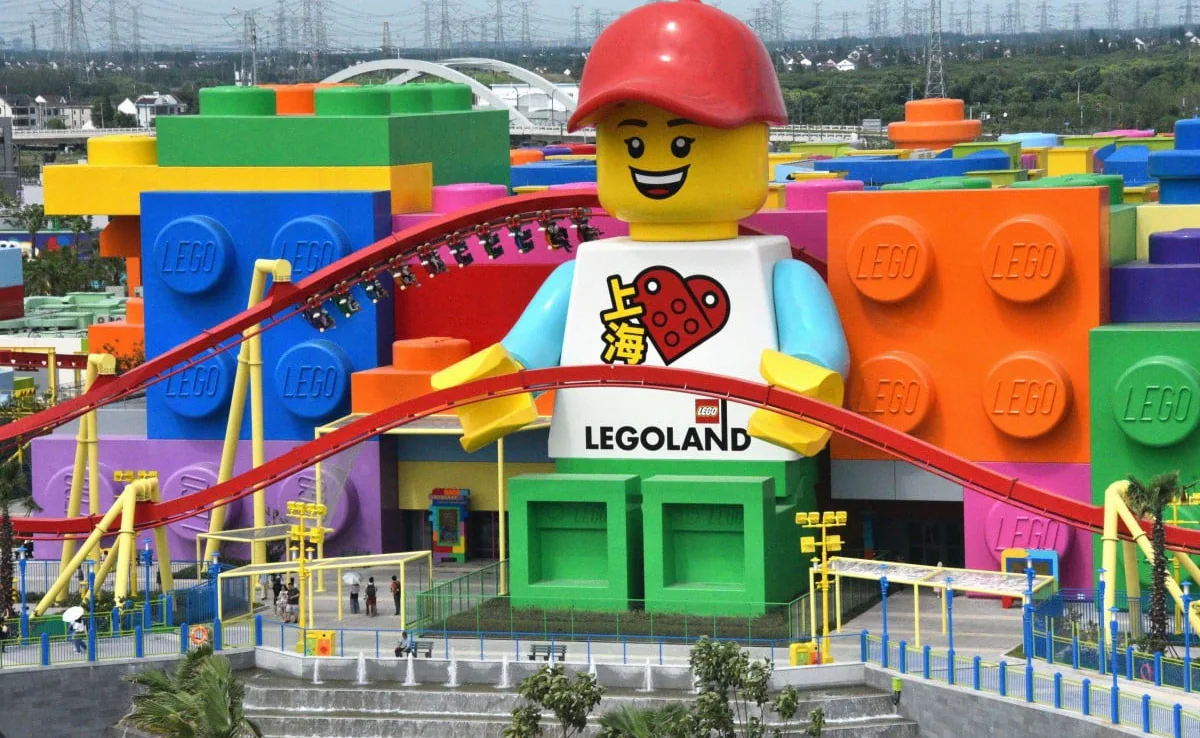
In 2003, LEGO was in trouble. The company was sinking under the weight of nearly £800 million in debt. Like many brands under pressure, it had spent years chasing expansion — launching theme parks, video games, fashion lines, and licensing deals. It was everywhere, and yet… nowhere.
Enter Jørgen Vig Knudstorp, a former McKinsey consultant turned CEO. His turnaround strategy? A radical act of focus.
Knudstorp didn’t look for more markets. He cut. He sold off non-core assets, shut down side ventures, and walked away from distractions. Everything that wasn’t tied to LEGO’s core DNA — creative building with plastic bricks — was discarded.
The move was controversial. Critics said downsizing wasn’t a path to greatness. But Knudstorp understood something essential: when you try to be everything, you often end up being nothing.
Two decades later, LEGO is not only alive — it’s thriving. In 2024, the company reported $10.8 billion in revenue, cementing its position as one of the world’s most profitable toy manufacturers.
The Lesson: Strategic Subtraction Is a Growth Strategy
LEGO’s comeback is a powerful case study in the value of restraint, focus, and purpose-driven clarity. In an age of diversification and hyper-growth, it reminds us that growth can also mean saying no — to markets, to products, to noise.
Where most turnarounds are built on reinvention, LEGO’s was built on reduction. The company didn’t need to be more; it needed to be right.
Partner With Us
Want to feature your brand, business, or service on 365247 — Whether you’re looking to sponsor, collaborate, or build presence within our ecosystem, we’d love to explore it with you.
Submit Your Interest Here
IMAGE: SCMP