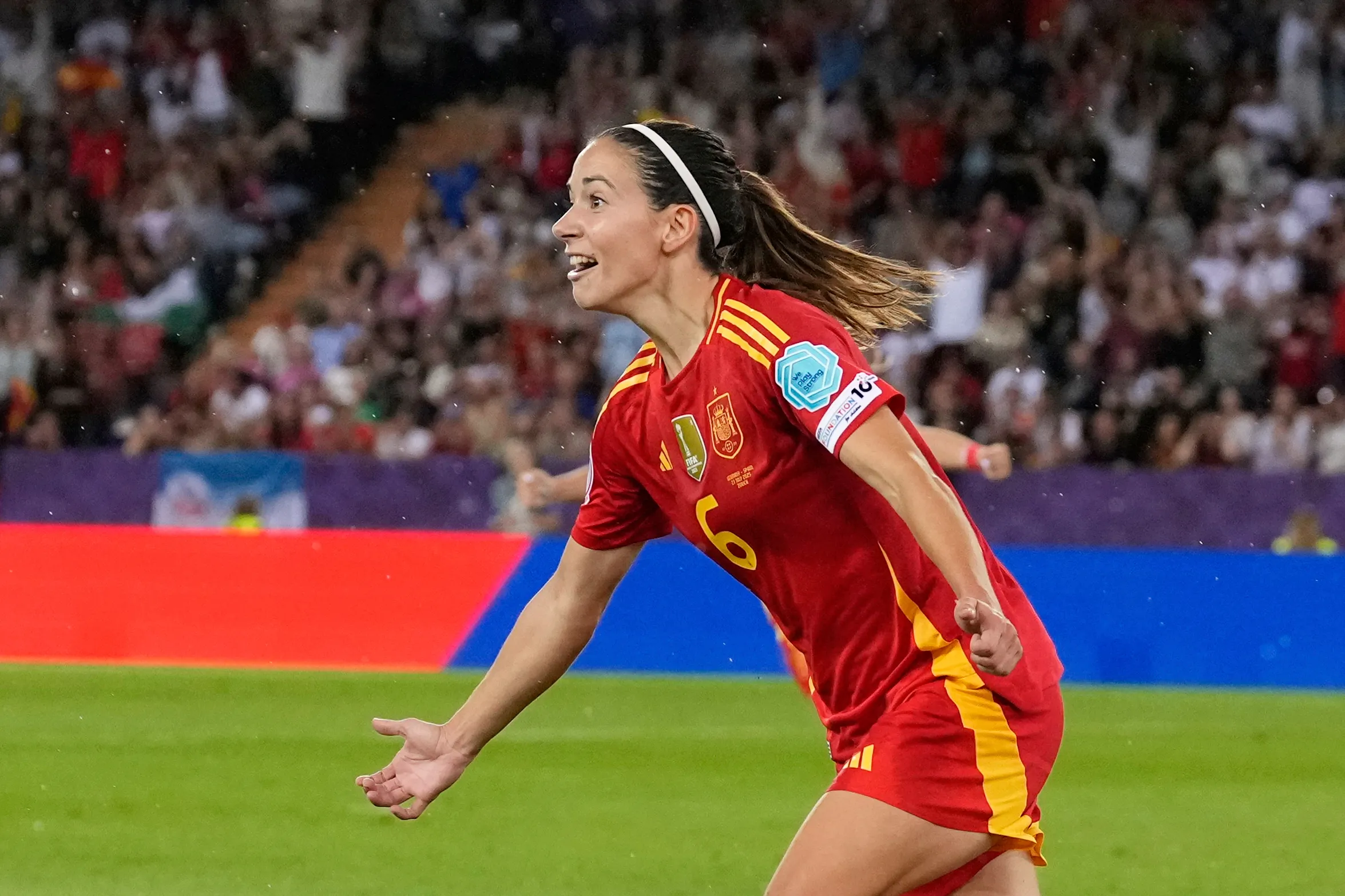
The 2025 UEFA Women’s European Championship in Switzerland is more than a football tournament — it’s a milestone moment in the evolution of women’s sport as a commercial force. Broadcast deals and sponsor partnerships are smashing previous records, and the message from the industry is clear: brands that continue to hesitate risk being left behind.
At the heart of this shift is a call for sponsors to stop viewing women’s football as a CSR initiative or short-term PR opportunity. Instead, strategic thinkers like Hannah Bostock, a senior director at Creative Artists Agency (CAA), are pushing for a new mindset: women’s football is a long-term investment with real commercial upside.
Appearing recently on GlobalData Sport’s podcast, Bostock underlined how brands need to be proactive, not reactive. “Join the movement early — or risk missing out,” is the warning.
The Business Case for Women’s Football Is Now Undeniable
Consider this: UEFA is reportedly generating over $100 million in media rights revenue from this year’s Women’s Euros alone — a figure unthinkable just a decade ago. That growth reflects a maturing rights market, global media appetite, and rising fan engagement. But it also points to the broader reality: visibility is monetising faster than ever.
Free-to-air broadcasters — from BBC and ITV to ZDF and France Télévisions — are playing a critical role in driving mass audience growth. Major knockout fixtures have attracted record-breaking numbers, affirming that this isn’t niche interest. It’s mainstream momentum.
And with visibility comes scale — for media, sponsors, and grassroots alike.
Authenticity, Not Optics, Is the New Brand Currency
But visibility alone isn’t enough. For Bostock and others shaping the women’s sport ecosystem, authenticity is the unlock. The most successful brand activations aren’t just about big budgets — they’re about cultural connection. The fans of women’s football care deeply about alignment, representation, and purpose.
“You can’t just throw a logo on a shirt and expect results,” says one senior industry executive we spoke to. “You need to show up in a way that respects the athletes and reflects the values of the community.”
The best partnerships go beyond sponsorship — they become cultural collaborations.
From Grassroots to Global: The Road Ahead
Looking forward, the path to sustainable growth lies in two key areas: grassroots development and competitive parity. More nations investing in women’s football means more exciting games, more competitive balance, and broader fanbases. That, in turn, feeds the ecosystem — broadcasters, sponsors, merchandisers — all benefit.
For brands, the opportunity is no longer theoretical. It’s proven. The early movers are already seeing returns in brand equity, audience growth, and social impact. The laggards? They’re quickly running out of excuses.
As Bostock puts it: “The era of ‘potential’ in women’s sport is over. We’re now in the era of power.”
Key Takeaways for Brands:
- Women’s sport is not a trend — it’s a cultural movement with proven business value.
- Authenticity matters more than legacy in winning fan loyalty and media impact.
- Free-to-air visibility is still critical for growth, especially at the grassroots level.
- Invest early — latecomers risk irrelevance in an increasingly competitive sponsorship landscape.
Partner With Us
Want to feature your brand, business, or service on 365247 — Whether you’re looking to sponsor, collaborate, or build presence within our ecosystem, we’d love to explore it with you.
Submit Your Interest Here
IMAGE: AP