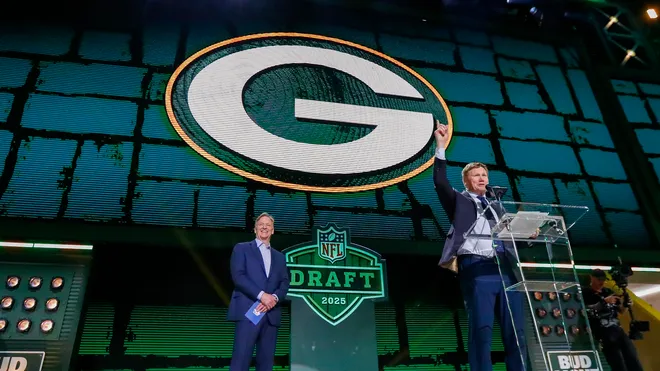
As the only publicly owned team in the NFL, the Green Bay Packers offer a rare window into the financial workings of America’s most dominant sports league. This year’s numbers reveal a tale of booming operational strength—driven largely by the NFL’s robust national media rights—but also a cautionary dip in investment-related income.
Operating Profit Surges on NFL’s National Revenue Stream
For the 2025 fiscal year, the Packers saw their operating profit jump by 39.3%, reaching $83.7 million. This leap was largely fueled by an increase in national revenue, with each of the league’s 32 franchises receiving $432.6 million, a record high. The bulk of this money is derived from the NFL’s long-term media rights deals—a structural advantage that insulates individual franchises from local volatility.
Even more telling is that the Packers’ national revenue alone rose 7.5% year-over-year, up from $402.3 million. The centralized nature of NFL broadcasting continues to be one of the most stable and high-yield business models in global sport.
Local Revenues Also Climb on Game-Day Gains
While the league-wide media model drives the core, local performance for the Packers also improved. The franchise reported $286.4 million in local revenue, a 13.7% increase from the previous year, helped in part by hosting a ninth regular-season game under the NFL’s new schedule model.
Combined, national and local revenues lifted the club’s total revenue to $719.1 million, a 9.9% increase from the prior year.
Expenses Rise, But So Do Long-Term Foundations
Operating costs rose by 7% to $635.4 million, in line with broader inflationary pressures and rising team operating costs. Still, the growth in expenses was more than offset by the increase in operating revenue—suggesting the Packers remain on solid footing operationally.
Net Income Dips Due to Investment Volatility
Despite strong core operations, the Packers’ net income fell 12.5%, from $98.1 million to $85.6 million. The cause? A sharp drop in non-operating income, largely related to market-linked investments. Non-operating income fell from $38 million to just $1.9 million, reflecting broader economic headwinds.
Outgoing President and CEO Mark Murphy, who is stepping down after a 17-year tenure, remarked on both the league’s continued commercial dominance and the financial challenges posed by market volatility.
“The growth in the numbers is a testament to the strength of the NFL product,” Murphy noted. “But like any business, there are cycles—especially when it comes to investments.”
Murphy will hand over leadership to Ed Policy during the upcoming shareholders meeting, concluding a period marked by stability, modernisation, and financial growth for the Packers.
The NFL’s Revenue Model Remains the Gold Standard
What makes this case interesting is not just the Packers’ performance—but how it reflects the larger NFL model. Centralised national media deals allow for guaranteed revenue parity, giving every team—from the largest markets to the smallest towns—a firm financial baseline. It’s a system that shields clubs from the fragmented viewership trends disrupting other sports.
However, as the Packers’ falling net income shows, off-field investments and market exposure can still introduce risk—even in a league as financially bulletproof as the NFL.
For teams, owners, and leagues elsewhere, the Packers remind us that a strong operational core and a stable revenue model must still be matched with savvy financial oversight.
Partner With Us
Want to feature your brand, business, or service on 365247 — Whether you’re looking to sponsor, collaborate, or build presence within our ecosystem, we’d love to explore it with you.
Submit Your Interest Here