As Europe heads into another potentially volatile winter, its energy security is once again under the spotlight — this time shaped by dwindling reserves, rising geopolitical pressures, and growing global competition for LNG.
While last year’s winter was softened by high storage levels and mild temperatures, 2025 paints a far more uncertain picture. Current EU gas reserves stand at just over 65%, significantly below last year’s 83% mark during the same period. That gap — both numerical and strategic — could have far-reaching consequences.
Equinor Sounds the Alarm
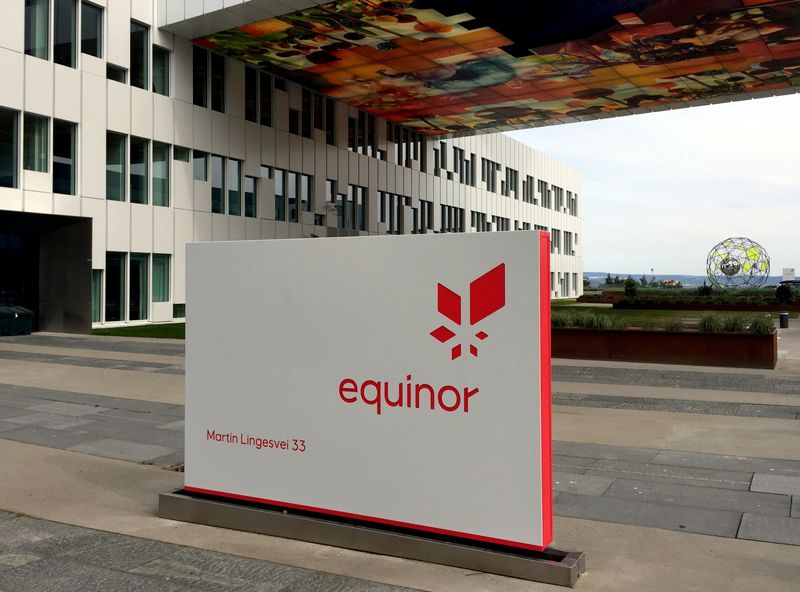
Norwegian energy giant Equinor, one of Europe’s largest gas suppliers, is warning of a tightening market. Its CEO, Anders Opedal, confirmed that LNG shipments into Europe fell by 25% in June, driven by Asia’s renewed demand and the global race to secure floating cargo.
The situation is compounded by a near-total political block on increasing Russian pipeline gas supply — especially in key markets like Germany. With that avenue essentially frozen, Europe’s ability to rapidly replace or supplement falling LNG volumes is severely limited.
Winter Forecast: Price Volatility and Structural Exposure
The key variable remains weather. A colder-than-expected winter could not only spike demand but further strain gas infrastructure and reserves. Add to that the unpredictable nature of LNG logistics and any supply chain disruptions — and the stage is set for volatility.
Equinor has maintained its forecast for increased oil and gas output (a 4% uptick this year), but its Q2 performance revealed deeper signals:
- Profits fell 13% year-on-year, driven by lower oil prices.
- European and U.S. gas prices offered some cushion, but not enough to offset the broader revenue decline.
- A $955M impairment on a U.S. offshore wind project signals growing hesitancy around renewable infrastructure amid regulatory and tariff headwinds.
A Shift Away from Renewables?
February 2025 marked a critical inflection point: Equinor joined peers like Shell and BP in dialing back its renewables exposure. This isn’t an anti-climate pivot — it’s a pragmatic readjustment to market forces.
High capex, political unpredictability (especially in the U.S. under a renewed Trump era), and mismatched timelines between investment and ROI have made large-scale renewables less commercially viable in the short term. For Equinor and its competitors, the path forward seems to be fossil fuel-heavy — for now.
The Strategic Takeaway
Europe’s energy system is entering a new phase — one that blends realpolitik with climate ambition, but often pits the two against each other. For businesses, policymakers, and investors, the coming winter is not just a seasonal concern — it’s a test case for energy resilience, global LNG diplomacy, and the transition’s messy middle.
The real question isn’t whether Europe has enough gas. It’s whether it can manage scarcity in a way that doesn’t unravel its green transition timeline or geopolitical leverage.
IMAGE: Reuters