CREDIT: Federico Mari
In an industry increasingly shaped by premium pricing and exclusivity, FC Bayern Munich offers a striking counter-model — one that defies conventional logic, yet delivers unmatched financial strength and cultural relevance.
This isn’t a nostalgic gesture to football’s past. It’s a calculated business strategy rooted in accessibility, scale, and long-term value creation.
Pricing Less to Earn More: The Accessibility Advantage
At just €170, a standing season ticket at Bayern Munich costs less than a single premium match ticket at many top European clubs. Despite (or rather, because of) this, Bayern posts near-perfect 99.8% attendance, a 300,000-strong waiting list, and generates €91 million in matchday revenue annually.
It’s a masterclass in economic elasticity — keep barriers low, build volume and velocity, and monetize the community over time, not at entry.
Lifetime Value Over Upfront Spend
The financial story doesn’t stop at the turnstile. A typical Bayern season ticket holder is worth far more than the ticket price suggests:
- €180+ spent per matchday on food, drinks, and merchandise
- 67% of fans purchase replica kits annually
- 89% attend additional cup matches
- Estimated yearly per-fan value: €2,800
By contrast, clubs charging over €1,000 for season tickets often report:
- Lower merchandise engagement
- Fewer ancillary matchday sales
- Less regular attendance for non-league matches
Low pricing isn’t low value — it’s a high-engagement model that compounds annually.
Full Stadiums Sell Stories — and Sponsorships
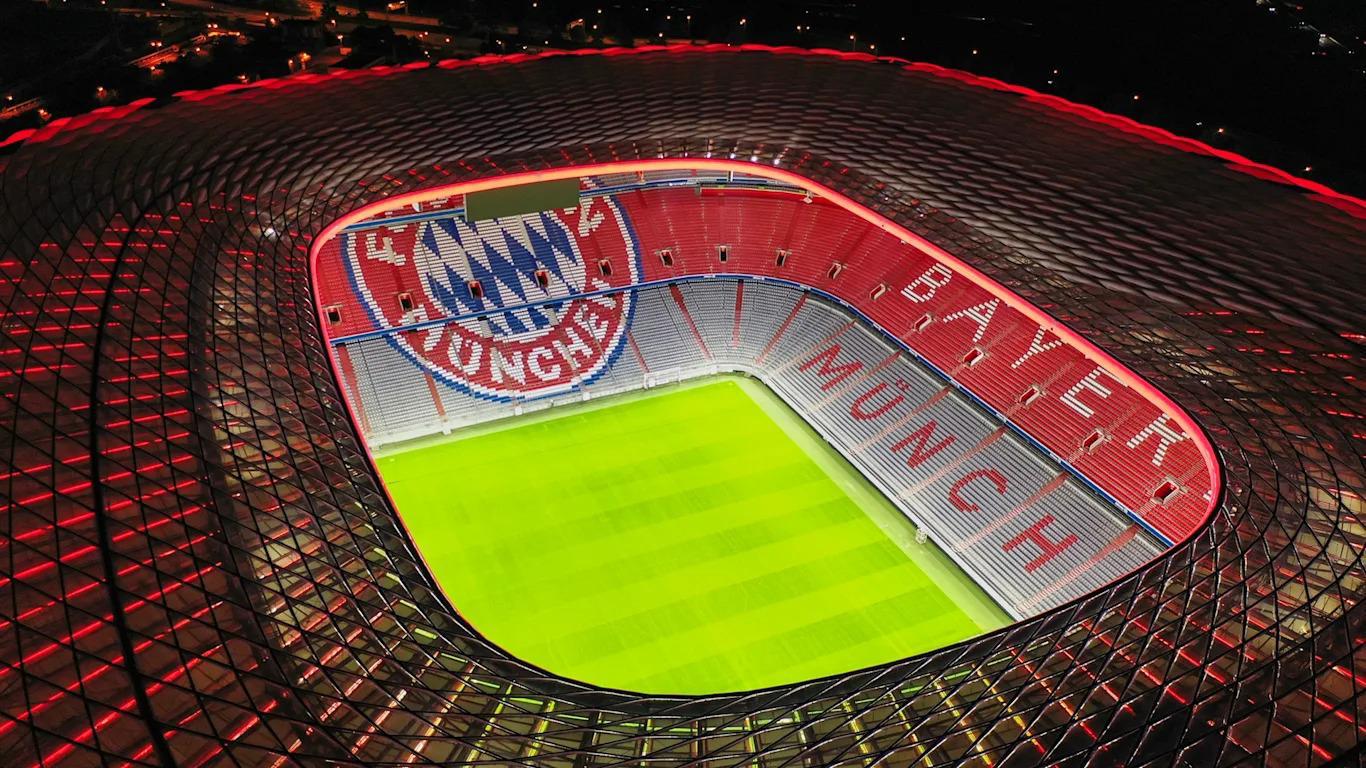
The Allianz Arena’s near-capacity visuals aren’t just aesthetic — they’re a revenue engine. Sponsors like Adidas (€60M/year) and Allianz (€15M/year) aren’t just buying inventory. They’re buying cultural association with a packed stadium, emotional resonance, and social proof.
This contributes to a commercial revenue total exceeding €400 million — a figure comparable to clubs with far higher ticket prices.
Building a Brand, Not Just a Fanbase
Bayern’s pricing model is also a cultural decision. It ensures:
- Young fans (even students) can afford to attend
- Families pass down matchdays as tradition
- Supporters feel like stakeholders, not just consumers
- The club’s global identity remains rooted in local authenticity
This fuels Bayern’s brand strength:
- 360M+ global followers
- Top Bundesliga brand value
- Multi-generational fan loyalty embedded in its model
These are intangible assets — but they drive tangible business outcomes.
Strategic Divergence: Two Models, One Goal
There’s no single ‘correct’ approach to football economics — only alignment between vision and execution. The premium model suits clubs in tourist-heavy, corporate-driven markets. The accessible model suits community-first clubs with long-term growth horizons.
The key distinction:
- Premium pricing often drives short-term gain and exclusivity
- Accessible pricing builds scalable, sustainable ecosystems
Bayern chose the latter — and sits among the world’s top five clubs by revenue, with minimal debt and unmatched brand equity.
Pricing Today Shapes Tomorrow’s Club
Ticketing isn’t just a commercial decision — it’s a generational one.
High-cost models risk alienating young fans, over-relying on tourists, and flattening matchday atmospheres.
Low-cost models, done right, create loyal local roots with global reach — and position the club as part of a fan’s life journey, not just their entertainment options.
The Bayern Formula in One Line:
Low barriers + high engagement = maximum lifetime value
For clubs seeking commercial success without losing their soul, this is a model worth deep analysis.
Strategic Takeaway for Executives:
When evaluating ticket pricing, ask not what the seat is worth in isolation — ask what that seat unlocks in loyalty, community, brand value, and multi-year revenue.
Bayern isn’t winning in spite of its low pricing. It’s winning because of it.
Interested in reimagining your pricing model, fan experience, or long-term value creation strategy?
We consult clubs across markets on how to align identity, revenue, and audience for the next century of football.
Let’s talk