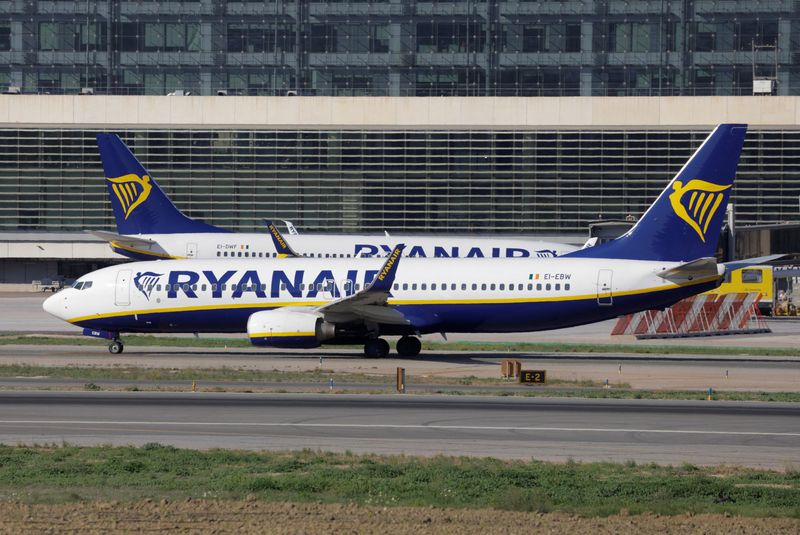
Ryanair has kicked off its financial year with a powerful signal to the market: demand is not just back—it’s accelerating.
For the April to June quarter, Europe’s leading low-cost airline posted a net profit of €820 million, more than double last year’s figure for the same period. The results were driven by a surge in last-minute fare demand, buoyed by a late Easter and stronger-than-expected consumer sentiment. The performance also outpaced analyst forecasts, highlighting Ryanair’s strategic insulation from industry-wide headwinds.
What sets Ryanair apart this summer is booking confidence. While other budget carriers like EasyJet and Jet2 have reported a slowdown in booking windows—consumers holding out longer—Ryanair’s trendlines show no such hesitation. “Bookings are good across the board,” said CFO Neil Sorahan, indicating a robust pipeline for the peak July-September travel window.
Fares, a critical lever in airline profitability, have also rebounded sharply. Average prices climbed 21% year-on-year, a complete turnaround from the dip experienced in the same quarter of 2023. Ryanair anticipates recovering nearly all of the 7% pricing dip that weighed on last summer’s earnings, thanks to both pent-up demand and improved relationships with third-party booking platforms following past disputes.
The share market has responded in kind. Ryanair stock surged more than 6.5%, trading just shy of its all-time high—an affirmation of investor belief in the airline’s operational resilience and pricing power.
Looking ahead, CEO Michael O’Leary signaled cautious optimism. While late-summer bookings will be key to full-year performance, the carrier remains on track for steady profit growth through March 2025, even amid macroeconomic uncertainties and potential trade frictions.
As the largest European customer of Boeing, Ryanair is watching closely as geopolitical discussions unfold over potential aircraft tariffs. However, the company remains confident that exemptions for commercial aviation can be secured, mitigating any disruption.
IMAGE: Reuters