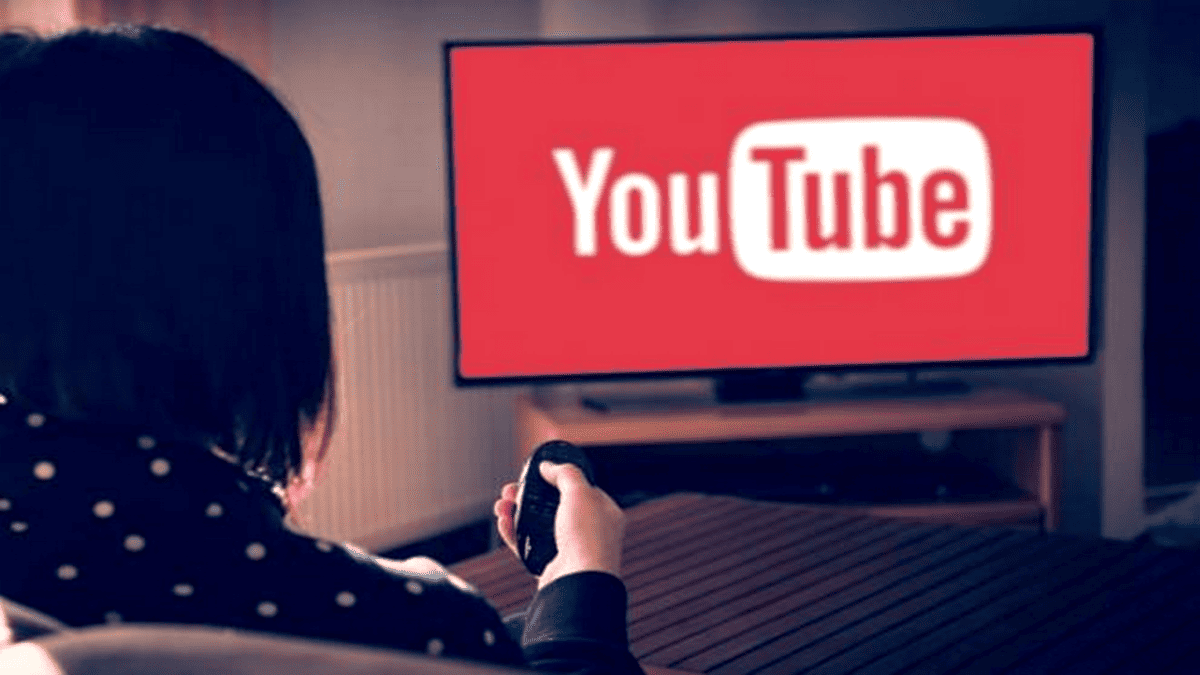
In a media world defined by rapid shifts in consumer behaviour, YouTube is quietly — but definitively — winning the living room. Once seen as a desktop and mobile-first platform, the video giant has now cemented its status as the most-watched video provider on US televisions. And it’s not a passing trend — it’s a structural realignment of how audiences consume content.
Recent data confirms that YouTube is not only dominating mobile screens, but now leads in TV viewership as well. More Americans are turning to YouTube on their televisions than ever before, with families and social groups engaging with longer-form content directly from their living rooms. The platform has evolved — from quick tutorials and niche clips to polished, high-quality shows that compete directly with traditional broadcasters.
In revenue terms, YouTube is now the second-largest player in global entertainment, behind only Disney. Its $54.2 billion in revenue last year isn’t just impressive — it’s transformative. It underscores the platform’s emergence not just as a content hub, but as a cultural and commercial force capable of reshaping viewing habits across demographics.
YouTube Is Designing for the Living Room, Not Just the Phone
The shift to television has not gone unnoticed by YouTube’s leadership. Google, which owns YouTube, has been aggressively refining its YouTube TV app. From smarter user interfaces to more immersive features like personalised highlight reels (such as fantasy football updates), the platform is becoming increasingly “TV-native” rather than just an extension of its mobile roots.
Creators are adapting too. As television viewership grows, so does the ambition of YouTube content. Videos are getting longer, production values are rising, and the focus is shifting toward programming that appeals to communal, group-viewing scenarios — much like traditional TV used to.
A Platform That Evolved While Others Raised Prices
YouTube’s rise has been built not just on innovation, but on access. While competitors like Netflix and Disney+ have steadily increased subscription prices, YouTube has remained free and ad-supported — a crucial factor in its mass-market appeal. It’s become the go-to for Gen Z, Millennials, and now increasingly Gen X and Boomers looking for content that’s both familiar and frictionless.
Much of this transformation has been happening quietly. YouTube’s smart TV app, once clunky and limited, has undergone major iterations since 2018. It now mirrors the mobile experience more closely — offering algorithmic recommendations, the ability to comment, and intuitive navigation. This convergence of design across platforms is critical to maintaining user engagement regardless of the screen.
From Disruption to Dominance
What began as a disruptive force offering low-budget videos is now America’s most-watched digital broadcaster — with the infrastructure, content pipeline, and monetisation engine to rival legacy networks.
But what’s most fascinating is this: YouTube didn’t have to replace Hollywood. It simply outlasted the attention economy’s volatility by understanding how people actually watch content today — on their terms, with their devices, and at their convenience.
For brands, creators, and advertisers alike, the implications are vast. The biggest screen in the house — long the territory of cable giants and streaming incumbents — now belongs to a platform that started with skateboarding clips and webcam confessionals.
Welcome to the new prime time. It’s streamed, searchable, and increasingly powered by algorithms.
And it’s called YouTube.