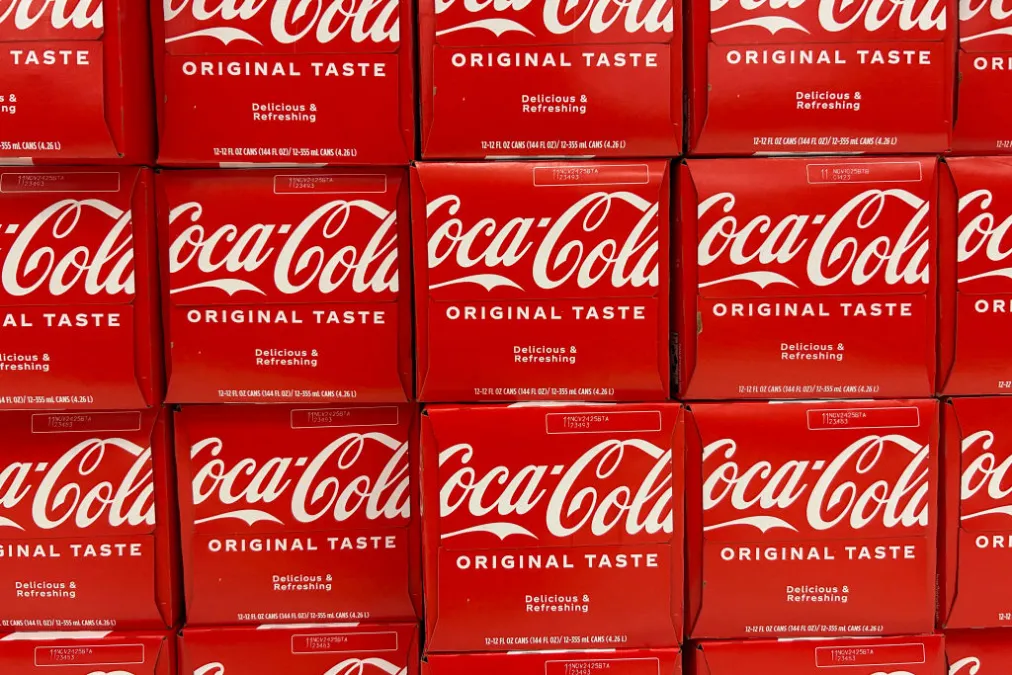
In a notable shift tied to growing scrutiny over American food standards, Coca-Cola is set to introduce cane sugar-based beverages for the U.S. market. The announcement comes in the wake of direct engagement between the company and former U.S. President Donald Trump, who disclosed the development on his social media platform, Truth Social.
While Coca-Cola has yet to outline the specifics of this transition, the Atlanta-headquartered beverage giant acknowledged that more details on product changes would be released soon, and expressed gratitude for the former president’s support.
A Policy Move Rooted in Health and Politics
This decision arrives within the broader context of the Make America Healthy Again (MAHA) campaign — a public health initiative backed by the Trump-aligned political ecosystem and currently fronted by U.S. Health Secretary Robert F. Kennedy Jr. MAHA has taken aim at ingredients like artificial dyes and highly processed sugars, pushing for more natural and “whole food”-oriented formulations across consumer goods.
According to a recent MAHA Commission report, high-fructose corn syrup — a primary sweetener in most U.S. sodas — has been linked to rising rates of childhood obesity and related metabolic disorders. The panel, composed of several high-ranking officials including Agriculture Secretary Brooke Rollins, is tasked with identifying and addressing systemic drivers of chronic illness in the American population.
The Corn Syrup Backlash and Agricultural Trade-Offs
The shift to cane sugar could have broader implications — particularly for U.S. corn producers, whose influence in national food policy has historically been significant. Industry representatives have pushed back against the move, warning of economic disruptions in the Midwest and raising concerns about job losses in manufacturing tied to the shift away from high-fructose corn syrup.
Critics also point out that, from a nutritional standpoint, current medical literature does not conclusively favor cane sugar over corn-based alternatives in terms of health outcomes.
Nonetheless, the optics of the move — more “natural” ingredients, politically aligned with domestic health sovereignty, and less processed sugar inputs — are potent for both policymakers and legacy brands seeking to reposition amid shifting consumer expectations.
Coca-Cola and the American Health Narrative
Coca-Cola’s willingness to adapt may also be driven by external market pressures. Some U.S. states, with federal backing, have already secured permission to restrict soda purchases via SNAP (the Supplemental Nutrition Assistance Program). This policy tightening has added urgency for soda manufacturers to diversify product offerings and lean into healthier branding.
For Coca-Cola, which already uses cane sugar in multiple international markets, this could be a relatively seamless formulation shift — but one with major symbolic weight in the U.S. market.
IMAGE: AFP/Getty Images