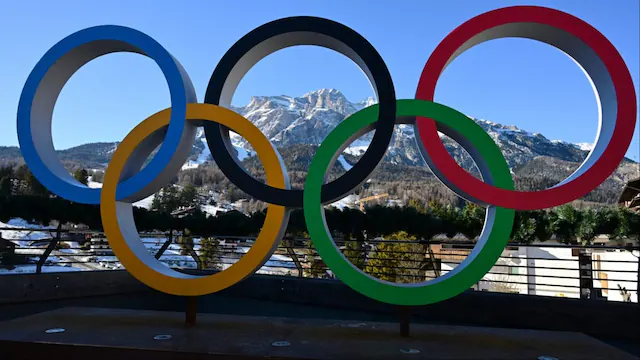
Cricket’s inclusion in the Los Angeles 2028 Olympic Games has been meticulously timed to optimize prime-time viewership in India, a nation of over 1.4 billion and cricket’s biggest TV market. Media rights across the subcontinent are heating up as broadcasters prepare for this historic return of T20 cricket to the Olympics.
Scheduling While Indian Eyes Are Watching
To make this work, LA 2028 organizers are shifting cricket matches to the U.S. East Coast, likely venues in New York or surrounding areas, to align better with Indian standard time (IST):
- A 9:00 AM PDT start aligns with 9:30 PM IST, perfectly timed for evening Indian audiences.
- This is a substantial improvement over a Los Angeles-based schedule, which would begin at an inconvenient 12:30 AM IST.
While LA remains the official host city, this “geo-flexible” model demonstrates how Olympic planning is adjusting to media-first metrics, especially with cricket—a global sport whose broadcast ad potential dwarfs many others.
Cricket Returns After 128 Years
Cricket will return to the Olympic summer program for the first time since the 1900 Paris Games, this time in the T20 format, staged from July 12 to July 29, 2028, at Pomona’s Fairplex Stadium.
Both men’s and women’s competitions will feature six teams each, with medal matches set for July 20 (women) and July 29 (men). It’s a compact event—intense, engaging, and built for global audiences.
What’s at Stake
- The move is expected to supercharge Indian broadcast rights valuations, with potential pay-TV and OTT deals racing toward nine-figure territory.
- The IOC benefits too—landing cricket provides access to an audience exceeding 2.5 billion fans globally.
- Indian star Virat Kohli has welcomed the decision, voicing optimism about future Olympic cricket aspirations—even joking about a one-off Olympic return if India reaches the final.
Drama Beyond the Boundary
This landmark shift is more than time-zone arithmetic. It signals:
- A media-first agenda within Olympic planning—aligning sport with prime-time markets that deliver maximum revenue and exposure.
- A blended event model where venue logistics take a backseat to broadcasting reach and monetization potential.
- An opportunity to expand cricket’s footprint globally, both in participation and infrastructure across the U.S. .