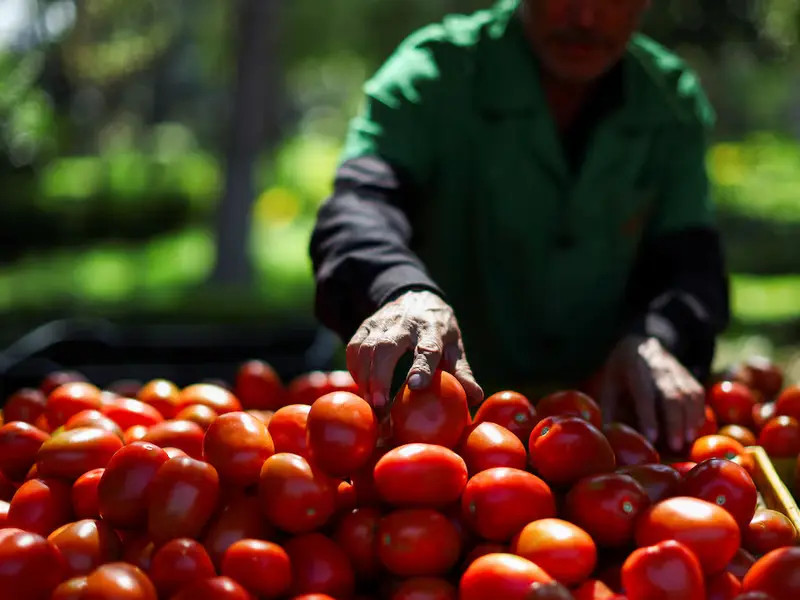
In a major development affecting the North American agricultural supply chain, the United States has imposed a 17.09% anti-dumping duty on fresh tomatoes imported from Mexico. The decision, made public by the U.S. Department of Commerce, effectively ends a 2019 suspension agreement that had previously avoided such tariffs.
This marks a significant pivot in U.S.–Mexico trade relations and sends a strong signal about Washington’s stance on foreign agricultural imports.
Domestic Producers Win, Consumers Likely to Pay
The Commerce Department argues the move was necessary to shield domestic tomato farmers from sustained economic pressure due to “dumping”—a term for when goods are sold abroad at prices below their fair market value.
“Mexico remains a valued partner, but our growers have suffered for too long under conditions that violate the spirit of fair trade,” said Commerce Secretary Howard Lutnick.
The United States has long relied on Mexican imports to meet consumer demand. Over 70% of fresh tomatoes sold in U.S. grocery stores originate in Mexico. Analysts predict this tariff could increase U.S. retail tomato prices by approximately 8.5%, affecting downstream products like salsa, ketchup, and processed foods.
Pushback from Mexico and U.S. Trade Groups
The Mexican Ministries of Economy and Agriculture criticized the new policy as “unjust and damaging,” arguing that the country’s growing share in the U.S. tomato market is a result of quality, not price manipulation.
Mexican officials now plan to support their producers by identifying alternative export markets and exploring dispute resolution mechanisms. Grower associations on both sides of the border have also voiced concern that the escalating trade tension could backfire on U.S. agribusiness and consumers alike.
A Shift Toward Protectionism?
This policy aligns with broader trade dynamics under the Trump administration’s second term. Earlier this year, Washington introduced a 25% tariff on several Mexican-made goods, and has now warned of further increases—up to 30% by August 1—if no comprehensive trade deal is finalized.
The dismantling of the long-standing 1996 Tomato Suspension Agreement, which had been renewed multiple times to prevent full-scale tariff implementation, represents a hardening of U.S. trade posture. While this may grant temporary relief to American tomato growers, it also raises strategic concerns about supply chain vulnerability and consumer inflation.
What This Means for Cross-Border AgriTrade?
At 365247, we see this as a pivotal moment for stakeholders in the agribusiness, logistics, and retail grocery sectors. The policy shift highlights three urgent imperatives:
- Diversification of Supply Chains – U.S. retailers and food brands must prepare for inflationary pressure by expanding sourcing beyond Mexico or building in risk-adjusted pricing models.
- Bilateral Risk Management – Agribusinesses with exposure to North American trade routes need contingency plans tied to policy volatility and geopolitical risk.
- Brand Diplomacy for Exporters – Mexican producers must elevate transparency, traceability, and quality branding to defend against future protectionist narratives.
IMAGE: Reuters