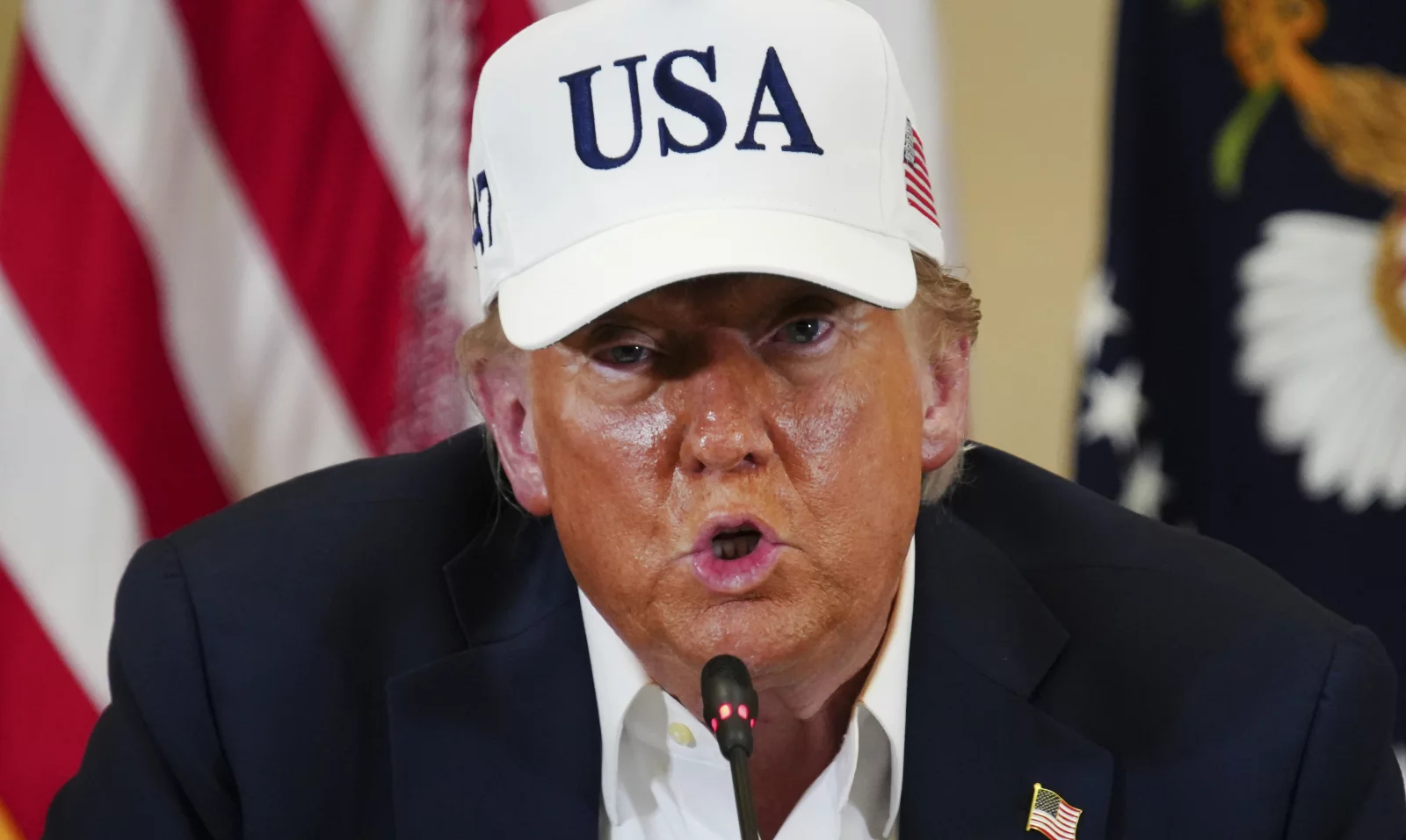
In a move that marks a stark escalation in global trade tensions, former U.S. President Donald Trump has announced a new round of tariffs targeting two of the United States’ most significant trade partners: the European Union and Mexico. The new policy will impose a 30% tariff on goods imported from both regions starting August 1 — a decision that could have broad repercussions across supply chains, consumer pricing, and investment sentiment.
The announcement was made directly via Trump’s social media channels, continuing his long-standing strategy of using tariffs as a tool for economic leverage and political messaging. He framed the decision as a correction of what he views as long-standing imbalances in trade and security.
What’s Behind the Move?
In his message to EU leaders, Trump cited trade deficits and “non-reciprocal” tariffs as the driving force. He labeled the U.S. trade deficit with Europe a national security threat, calling for a complete reset of the current framework.
Regarding Mexico, the justification focused less on economic imbalance and more on national security, with Trump expressing dissatisfaction over the country’s efforts in combating illegal migration and narcotics trafficking.
A Global Business System at Risk
This is not just a geopolitical flashpoint. It’s a commercial shockwave.
The EU is the United States’ largest trading partner, with over $2 trillion in goods and services exchanged annually. Imposing such steep tariffs threatens key transatlantic industries — including automotive, pharmaceuticals, aerospace, consumer electronics, and premium food and beverage sectors.
The targeted tariffs could result in:
- Price surges across essential categories due to higher import costs.
- Disruption of supply chains that span both sides of the Atlantic.
- Increased volatility in investor sentiment and currency fluctuations.
- Retaliatory measures from the EU, potentially escalating into a full-scale trade war.
Trump has warned that further tariff hikes could follow if the EU responds with retaliatory actions. EU Commission President Ursula von der Leyen emphasized the bloc’s preference for dialogue but affirmed its readiness to protect European interests with “proportionate countermeasures.”
U.S.-Mexico Trade at a Crossroads
Mexico, under the current U.S.-Mexico-Canada Agreement (USMCA), has enjoyed tariff-free access to many U.S. markets. Trump’s new policy calls that agreement into question, potentially redefining NAFTA 2.0 and its commercial architecture. Whether USMCA-compliant goods will be exempt after August 1 remains unclear, creating uncertainty for manufacturers and exporters operating across North America.
How Businesses Should Prepare for the New Tariff Era
For multinational companies and mid-market exporters alike, the new tariffs signal a return to protectionist volatility. Strategic recalibration is now essential across five key fronts:
- Supply Chain Realignment: Companies should review vendor exposure to the EU and Mexico and explore alternative sourcing strategies.
- Margin Protection: Pricing models must be reforecasted to assess tariff impact and options for cost pass-through to consumers.
- Regulatory Contingency Planning: Legal teams should review compliance risks, especially around USMCA and WTO rules.
- Stakeholder Communication: Boards and investors need real-time insights and clear roadmaps to mitigate panic and short-termism.
- Scenario Planning: Build models that factor in escalating trade retaliation from Europe or North America and simulate currency and demand shocks.
IMAGE: AP