Electric vehicle giant Tesla is finally ready to hit the accelerator in India.
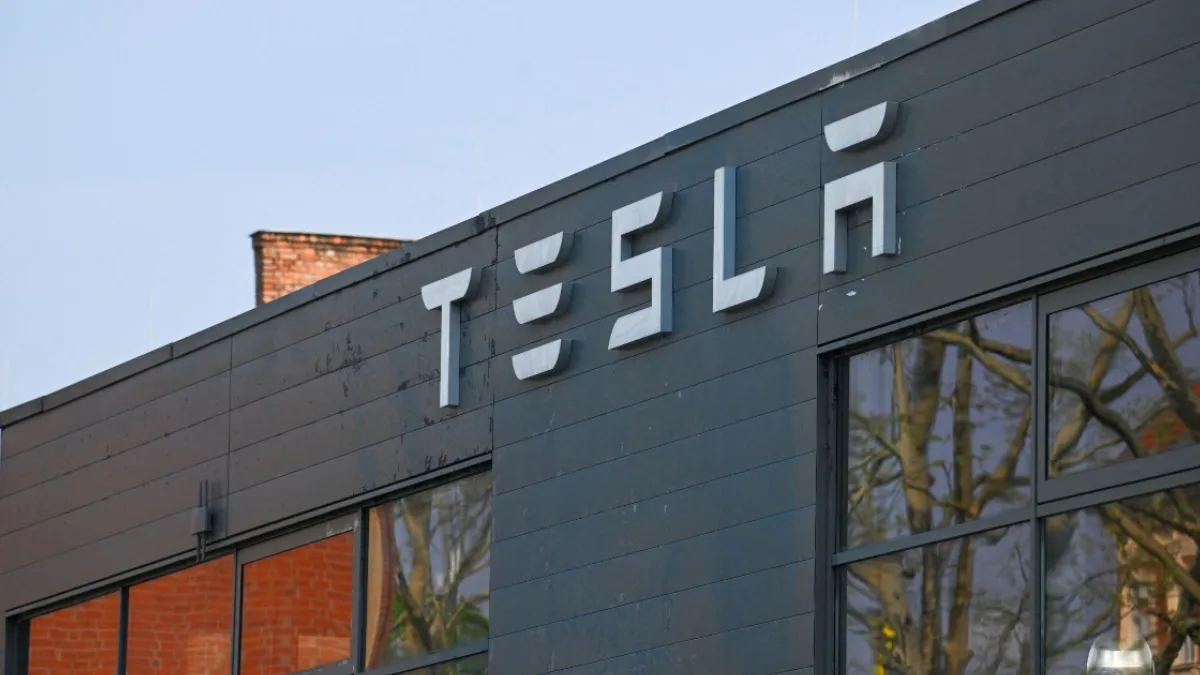
After years of negotiations and policy back-and-forth, Tesla will officially mark its commercial debut in the country with the opening of its first showroom in Mumbai’s Bandra Kurla Complex (BKC) on July 15. The launch marks a pivotal milestone for India’s evolving EV ecosystem and a global automaker seeking new markets amid softening sales in the U.S. and China.
A Flagship Location with Strategic Intent
Tesla’s Mumbai showroom is located in one of the city’s most premium business districts, close to major financial institutions and tech campuses. Spanning approximately 3,000 square feet, the store has been designed as an immersive customer experience center. Prospective buyers will be able to explore Tesla’s vehicle lineup, compare trims and variants, and begin placing orders within days of the opening.
The company’s presence in India will begin with a controlled rollout. The Mumbai location will initially host invited guests and business stakeholders, before opening to the general public the following week. A second showroom in Delhi’s Aerocity is expected before the end of July, with further expansions likely based on consumer demand.
Tesla Model Y to Lead the Charge
Tesla’s initial inventory is anchored by the Model Y, a mid-sized electric SUV that has already received homologation approval in India. The imported units, shipped from the company’s Shanghai Gigafactory, will be subject to a steep 70% import duty—pushing final price tags to upwards of INR 60 lakh (approx. $72,000), despite U.S. pricing hovering around $46,000.
Tesla has received approval for eight variants across its lineup for the Indian market, signaling intent to expand its offerings beyond the Model Y. That said, the company is not participating in India’s new EV manufacturing incentive scheme—which would have required a minimum investment of INR 4,150 crore in exchange for lower import duties on premium EVs.
India Launch Amid Global Sales Challenges
Tesla’s foray into India coincides with cooling demand in core markets. The company has reported two consecutive quarters of delivery declines, with analysts pointing to a combination of market saturation in the U.S., increased competition in China, and overall electric vehicle hesitancy post-pandemic.
India, with its fast-growing economy and government-led EV transition goals, presents both an opportunity and a challenge. The high upfront cost of imported EVs, limited charging infrastructure, and fierce local competition (from brands like Tata Motors and BYD) will test Tesla’s ability to capture market share.