Source: Credit to SportsPro
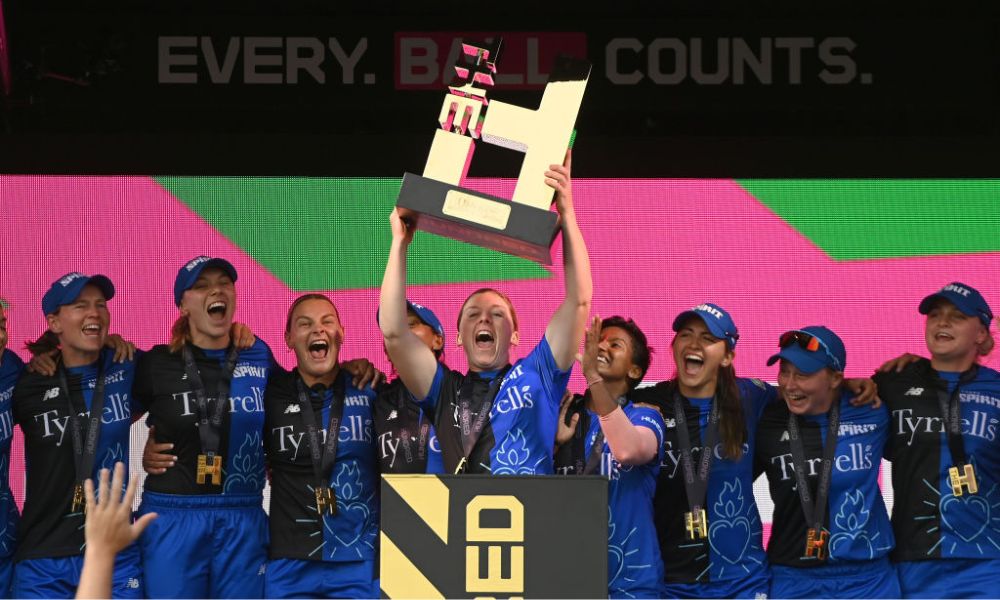
The England and Wales Cricket Board (ECB) has made a bold move to future-proof cricket in the UK. With valuations topping £975 million, The Hundred’s recent franchise stake sale has pulled in global interest from IPL owners, private equity giants, and tech moguls alike. Leading the charge? Vikram Banerjee, now Managing Director of The Hundred, who helped engineer this radical transformation of English cricket.
The Numbers Behind the Play
A two-week auction saw minority stakes in all eight of The Hundred’s franchises sold, generating over £520 million to be reinvested across professional and grassroots cricket. It’s one of the most significant financial events in English cricket history, injecting capital and commercial muscle at a time when the sport is actively seeking new audiences.
Banerjee emphasized the rationale: while The Hundred had already proven its value with over 50% of ticket buyers in Year 1 being new to cricket, the ECB alone couldn’t push the format to its full potential. “There are people out there that are brilliant at this,” he said, referring to the diverse new investor pool.
Why Not Sell the Whole League?
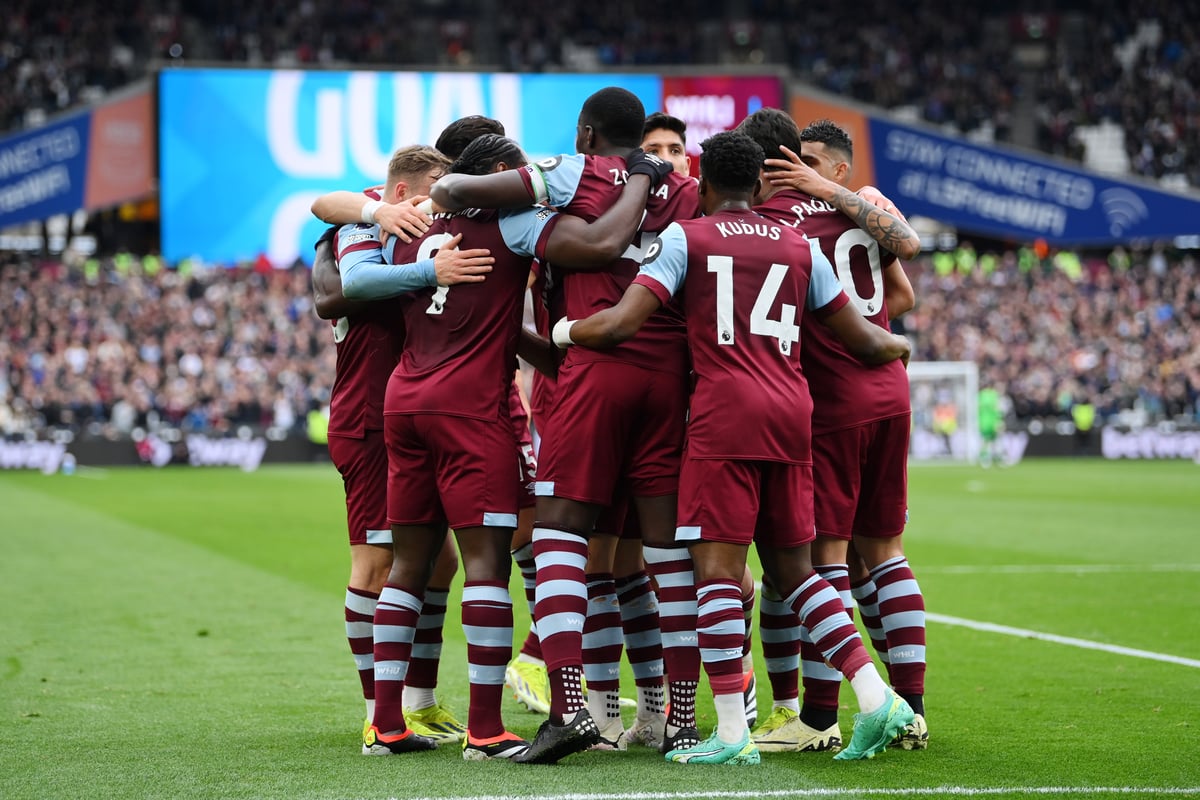
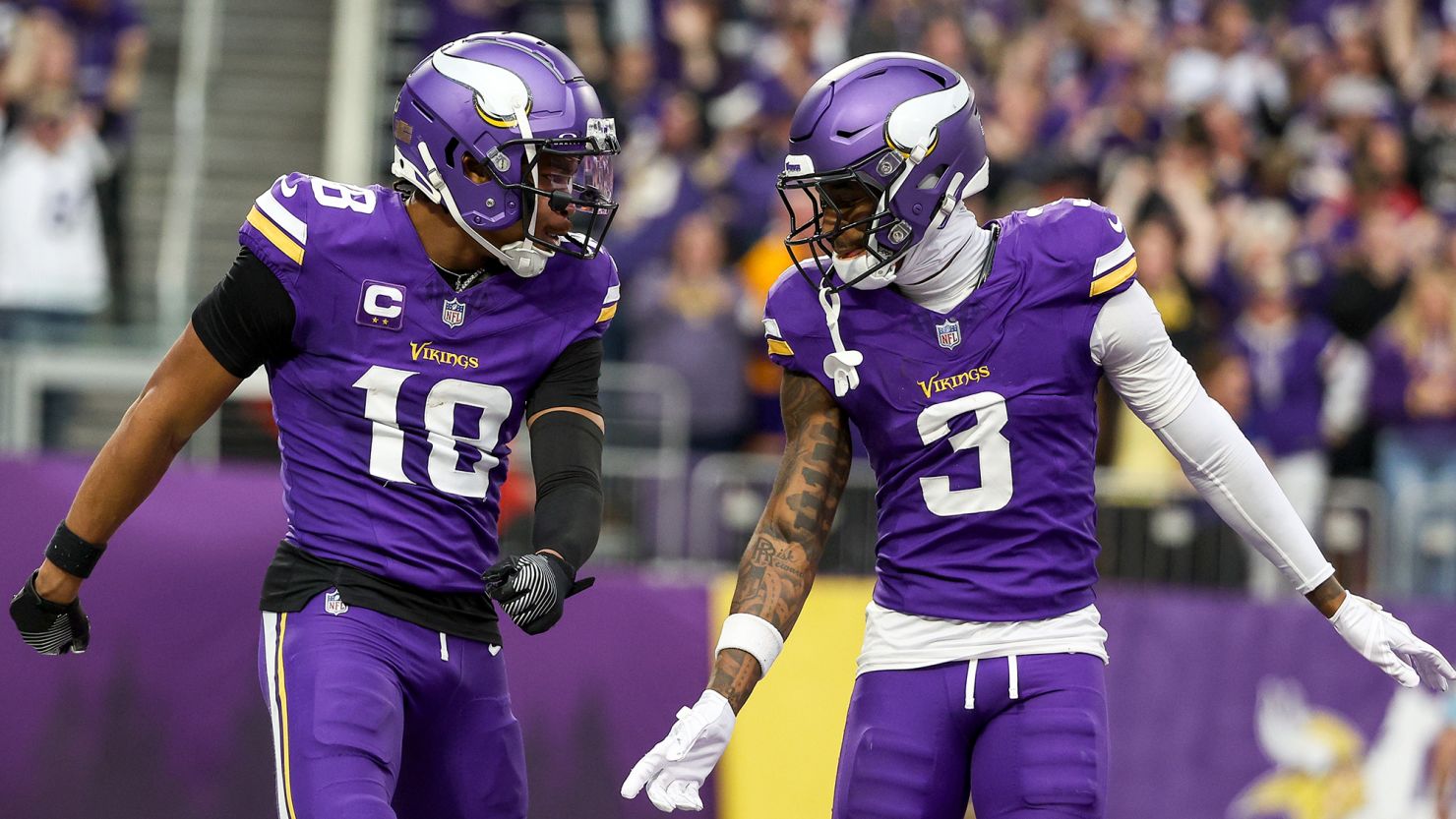
The ECB rejected outright ownership proposals, instead opting to maintain control of the tournament. Full ownership by a single entity, Banerjee argued, could lead to “cricket competing with cricket” during the already crowded English summer. The franchise model brought in eight different perspectives—from the IPL, NFL, and Premier League—with one common goal: long-term growth.
Aligning Investors with Counties
Bringing together varied stakeholders comes with its own set of complexities. But Banerjee is optimistic. “They’re all after long-term growth,” he stated, downplaying potential boardroom tensions. Rather than sidelining the new owners, the ECB intends to actively involve them in commercial decision-making, including future broadcast rights and sponsorships.
Commercial Acceleration
There is “chunky headroom” for growth, Banerjee noted. Early commercial deals were agreed before the tournament had even launched. Now, with marquee investors in place, both central and team-level commercial growth—from broadcast deals to sponsorships—is expected to accelerate significantly.
Revenue Sharing & Expansion
Although there are concerns about a financial divide forming between counties with and without teams in The Hundred, Banerjee believes growth will raise all boats. Inspired by the IPL’s ecosystem impact on Indian cricket, he sees The Hundred as a rising tide for the English game. Expansion is very much on the radar, with the possibility of adding one or two teams within five years.
The Global Franchise War
With 17 men’s T20 leagues globally, Banerjee is realistic: “There are simply too many at the moment.” His advice? Focus on your domestic market. The leagues that succeed will be the ones that serve their own audiences, not just chase Indian viewership. For The Hundred, the goal is clear: make sure it earns a seat at the “top table” of global cricket.
The Hundred’s Strategic Trajectory
Compared to competitors like the SA20, ILT20, or Major League Cricket, The Hundred is still a toddler. But it’s got the tools to outpace them. Research shows low global awareness now, but Banerjee believes that with fresh investment and focused strategy, The Hundred is poised to break away from the chasing pack.
365247 Consulting Insight: Lessons from The Hundred’s Pivot
The ECB’s strategy offers critical insights for sports properties looking to scale:
- Control vs Capital: ECB retained tournament control, leveraging private capital without relinquishing governance. For rights-holders, this hybrid approach may be the new norm.
- Franchise Fragmentation: Selling to a diverse investor base de-risks central control and brings cross-sector expertise—a playbook relevant for any sport looking to commercialize team-level assets.
- Domestic First, Global Second: Focusing growth on the home market—rather than simply exporting the format—sets a long-term foundation.
- Narrative Clarity: With multiple formats (Test, T20, The Hundred), ECB is now prioritizing narrative clarity. This is critical for fan retention and new audience acquisition.
- Broadcast & Sponsorship Upside: Early-stage undervalued media rights can see exponential growth post-proof of concept. The Hundred is now entering this phase.
Ready to Build the Future of Sport?
At 365247, we help federations, leagues, and investors build scalable, future-proof sports ecosystems—from franchise modeling and media monetization to investment strategy.
If your organization is ready to unlock the next phase of growth, let’s talk.
IMAGE: Getty Images