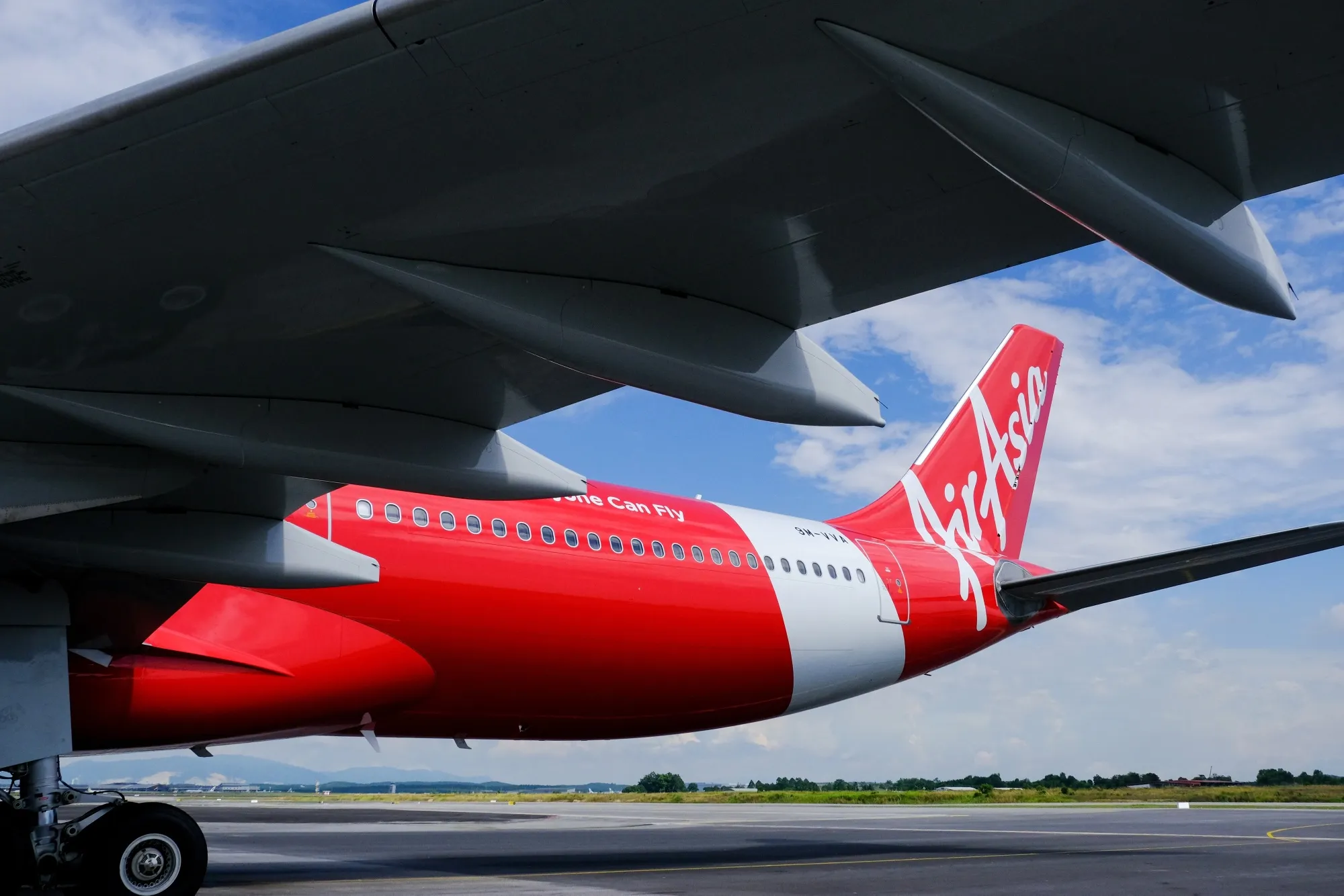
In a landmark move blending diplomacy with industrial strategy, Malaysia has signed aviation deals worth a staggering $20 billion with European aerospace giant Airbus — a significant outcome of Prime Minister Anwar Ibrahim’s recent visit to Europe. This development not only modernizes Malaysia’s commercial aviation sector but also reinforces the country’s growing geopolitical and defense ambitions.
A Two-Pronged Aviation Play
The agreements span both low-cost and national carriers:
- AirAsia, through its parent company Capital A Bhd, signed a memorandum of understanding (MoU) for 50 Airbus A321XLR aircraft, with an option to add 20 more. This long-range single-aisle jet will enable the airline to launch longer-haul routes with greater efficiency and less commercial risk, expanding its network across the Middle East and into Europe. Aircraft deliveries are expected to begin in 2028.
- Malaysia Airlines has doubled its existing A330neo order, bringing its total widebody commitment to 40 aircraft. Deliveries of these re-engined, fuel-efficient aircraft will take place from 2029 to 2031, as the airline focuses on renewing its long-haul fleet to align with sustainability goals and route profitability.
Why It Matters
This is more than a shopping spree. The deals signal:
- A vote of confidence in Airbus’s long-range narrowbody strategy
- Malaysia’s return to long-haul market ambition
- Capital A’s pivot to a more globally scaled AirAsia brand
AirAsia’s CEO Tony Fernandes emphasized that the extended-range jets provide a “low-risk” platform for entering new markets — a strategic benefit as the airline eyes a Gulf hub and prepares for a secondary listing in Hong Kong.
Malaysia Airlines, meanwhile, is positioning itself as a premium global player with a younger, more efficient fleet that balances sustainability and operational reach.
Defense & Diplomacy Go Hand in Hand
Alongside commercial aviation, the Malaysian government also confirmed defense-related acquisitions as part of broader European engagement:
- Two maritime patrol aircraft for the Royal Malaysian Navy
- 28 AW149 helicopters from Leonardo SpA
- Additional naval assets from Italy
This comprehensive procurement underscores Malaysia’s increasing emphasis on securing regional waters and enhancing aerial surveillance capabilities — a move aligned with rising security tensions in the Indo-Pacific region.
Airbus vs Boeing: Strategic Trade Alliances in Action
The Malaysian Airbus deals echo a broader pattern of aircraft diplomacy, where major aviation orders are increasingly tied to bilateral political relationships and investment incentives. Recent Boeing mega-deals during U.S. trade missions to the Middle East and the UK show how aircraft sales serve as the crown jewel of strategic statecraft — and Malaysia is playing this game well.
For stakeholders in aviation, aerospace supply chains, and cross-border trade policy:
- Malaysia is back on the long-haul map.
- Capital A’s Gulf expansion opens new aviation corridors.
- Defense diversification underscores Malaysia’s pivot to multi-alignment, reducing over-reliance on any single supplier.
This isn’t just about planes — it’s about positioning. In a multipolar world, smart states buy hardware with diplomacy in mind.
Join the 365247 Community here
IMAGE: Airbus