Source: Insights adapted from Insider Sport
The synergy between sports and business has been a powerful force for over a century. From tobacco cards in the 1870s to today’s multi-million-dollar campaigns with global superstars, sports sponsorship has matured into a $100 billion industry. While the tools and platforms have evolved dramatically, the core appeal remains: sport captivates audiences like nothing else — and businesses that align with it can supercharge their visibility, brand affinity, and market credibility.
From Equipment to Endorsements: The Modern Landscape
Traditionally, sportswear and equipment brands like Nike or Adidas were the most obvious beneficiaries of sponsorship deals. But the playbook has expanded. Today, companies far removed from the sports ecosystem — from detergent brands to luxury watches — are making calculated moves into the field.
Take, for example, Unilever’s Persil campaign featuring Usain Bolt. The fastest man on Earth fronted the launch of a product built around speed — a detergent for quick washes. The creative synergy helped transform a household item into a performance narrative. While the ROI on such endorsements is rarely made public, the willingness of large corporations to spend “multi-millions” reflects the expected return.
A Platform for Global Attention
Coca-Cola’s long-term partnership with the Olympics, dating back to 1928, is a textbook example of how brands can ensure consistent, high-visibility engagement. During the 2024 Paris Olympics, Statista estimated that nearly 5 billion people tuned in — exposure no standalone marketing campaign could buy.
Likewise, brands like Nike, Rolex, and Range Rover have invested heavily in elite sponsorships not just for exposure, but to align themselves with values like excellence, resilience, and global prestige.
Business Case: ROI Beyond Brand Awareness
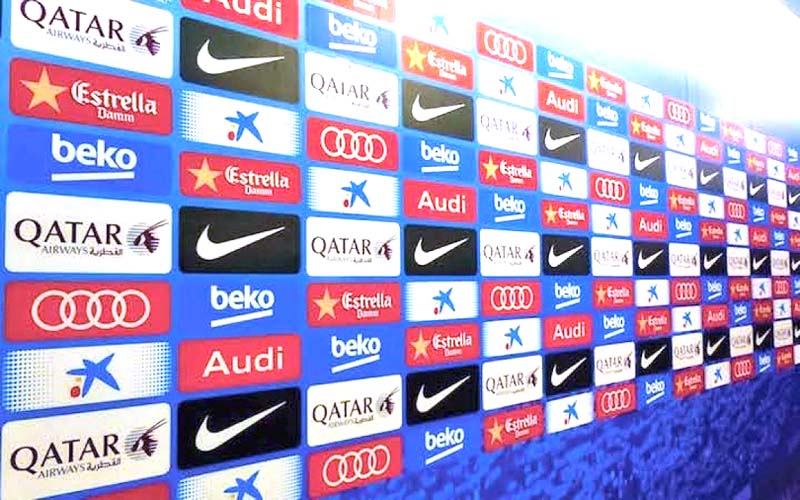
The benefits of sports sponsorship are no longer just about slapping a logo on a jersey. Companies now assess ROI through direct sales lift, social media engagement, and brand perception improvements. This applies across the board — from grassroots deals with local clubs to global campaigns with Olympic-level athletes.
Take Barclays’ partnership with the Wimbledon Foundation. Beyond visibility at tennis’ most iconic tournament, the bank has helped channel over £24 million into community-focused initiatives. The alignment with social impact not only ticks CSR boxes but strengthens long-term brand trust.
Why Even Startups Should Pay Attention
Contrary to popular belief, sports sponsorship isn’t just for mega-corporations. Smaller businesses can tap into hyper-local loyalty through sponsoring youth teams or community tournaments. A banner at a local football ground or front-of-shirt placement on a junior team’s kit can build meaningful, grassroots connections — often within the brand’s target demographic.
And as these businesses grow, so too can the scope of their sponsorship ambition — evolving from local associations to national campaigns, event branding, or digital influencer partnerships.
The Power of Platform and Performance
In today’s digital-first world, athletes have become multi-platform influencers. Cristiano Ronaldo commands over a billion social media followers. Serena Williams and LeBron James are just as effective as digital pitchmen as they are elite athletes. This convergence of sport, media, and consumer behavior makes the case for a more dynamic, integrated approach to brand marketing through sport.
But even traditional, offline sponsorship retains value. Stadium naming rights, shirt sponsorships, and event branding all maintain powerful audience touchpoints — particularly in live sport, which remains one of the few appointment-viewing events in the media landscape.
Consulting Insights: Sponsorship as a Strategic Asset
For executives and brand strategists, the message is clear: sport is no longer just a marketing channel — it’s a strategic business asset.
How can brands maximize the value of their sponsorship deals?
- Target Identity-Driven Fandom: Focus on communities where consumers see themselves in the team or athlete. Passion drives loyalty, and loyalty drives conversions.
- Leverage Data & Storytelling: Use data to map sponsorship ROI while crafting compelling narratives that go beyond the game.
- Prioritize Cultural Relevance: Align with athletes, teams, or events that resonate with broader cultural trends — not just performance metrics.
- Build Through the Pyramid: Engage at all levels — from elite performance to grassroots activation — to build long-term affinity and pipeline.
- Align with Purpose: Consumers increasingly care about values. Brands should ensure that sponsorships reflect their ESG goals or community investment philosophy.
Final Thoughts
Michael Jordan’s enduring partnership with Nike — now a $5 billion annual business under the Air Jordan brand — underscores the timeless value of smart sports sponsorship. It’s not about the product alone; it’s about the story, the association, and the identity that comes with it.
In today’s competitive landscape, brands that invest intelligently in sport aren’t just buying exposure — they’re buying relevance.
About the Author
Adapted from reporting by Insider Sport. This article has been independently restructured, rewritten, and expanded by 365247 Media to provide consulting-grade insights and original analysis.
Looking to Craft a Winning Sponsorship Strategy?
At 365247 Consultancy, we work with global brands, teams, and investors to design sports sponsorship strategies that deliver measurable results and long-term impact.
Contact us today to explore how your brand can win on — and off — the field.
Join the 365247 Community here.
CREDIT: Insider Sport