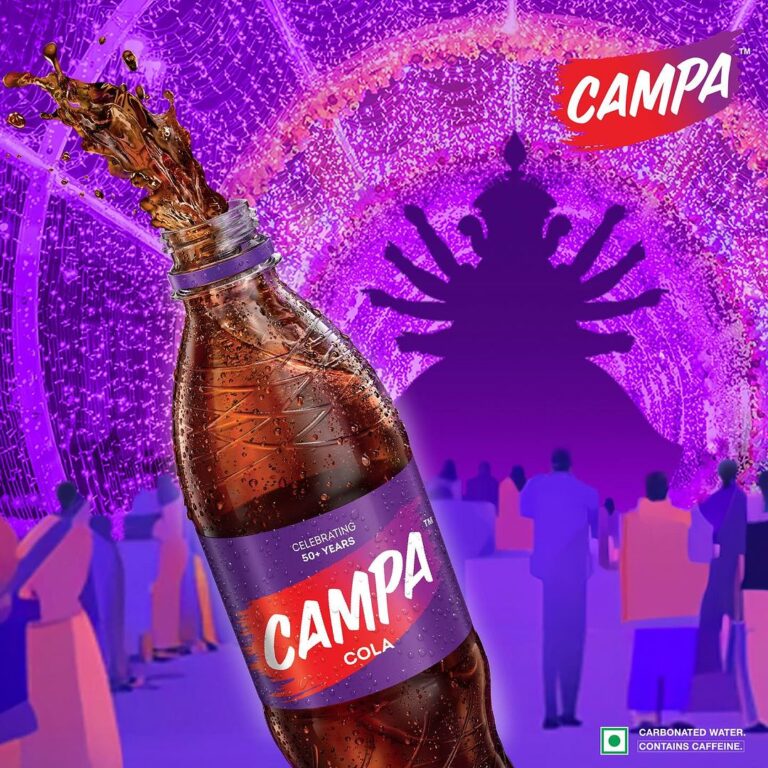
After decades on the sidelines, Campa Cola is back — and this time, with Reliance Industries behind it. Once a nostalgic icon of the ’80s and ’90s, the beverage is making a bold re-entry, and it’s no coincidence. With its track record of shaking up telecom, digital, and retail, Reliance is now disrupting India’s carbonated drinks market.
And just like with Jio, the blueprint is clear: aggressive pricing, unmatched distribution, and media muscle.
From Legacy to Leverage
Campa Cola’s resurgence isn’t just about reviving a retro brand. It’s a strategic strike at the heart of a duopoly long dominated by global giants Coca-Cola and PepsiCo. Reliance is offering retailers better trade margins, undercutting competitors with sharp pricing (a two-litre bottle of Campa’s lemon soda is reportedly priced ~Rs 20 less than leading rivals), and leaning on quick commerce and modern retail to scale.
In Reliance’s Q2FY25 update, the company reported triple-digit growth in its consumer brands portfolio, with general trade reportedly growing 250% year-on-year — a signal that this isn’t just a test run. It’s a full-scale offensive.
Market Reaction: Disruption or Expansion?
Industry voices believe Reliance’s entry will expand the entire soft drink category, not just split market share. As pricing competition heats up, consumer consumption is expected to rise, especially in Tier 2 and Tier 3 cities where affordability is king.
But what about the global heavyweights?
According to retail consultants and analysts, we can expect a wave of “share-of-mind” marketing battles and festive-season campaigns. Brands will likely double down on advertising, packaging innovation, and emotional storytelling to hold their ground.
The Reliance Playbook in Action
The real edge? Control.
Reliance doesn’t just sell beverages — it owns the pipes:
- JioMart and its retail networks offer scale.
- JioCinema and Network18 offer unmatched media reach.
- Deep cash reserves enable sustained pricing battles.
This ecosystem allows Campa Cola to build brand equity quickly, lock in shelf space at scale, and outlast smaller competitors in a margin war.
As one business strategist puts it: “Reliance doesn’t fight fair — it fights big. And in a category like soft drinks, that could rewrite the rulebook.”
The Local Impact
For smaller regional brands—those operating in the sub-Rs 60 price segment—the heat is already rising. With Campa Cola entering the arena at competitive price points and national branding muscle, many legacy local players may find it difficult to retain shelf space or consumer mindshare.
That said, niche and differentiated brands like Lahori Zeera remain optimistic. Their focus on distinct Indian flavours and unique target segments keeps them somewhat insulated — for now.
Campa Cola is a case study in category disruption using vertical integration.
Reliance’s strategy reflects three major shifts:
- Owning infrastructure across retail, tech, and media allows seamless scaling.
- India’s emerging FMCG playbook is no longer about foreign dominance—it’s about homegrown scale + sentiment.
- Brand nostalgia, when executed right, can be monetized at scale.
But here’s the watch-out: The long-term success of Campa Cola will depend not just on pricing and distribution, but on brand positioning in a market increasingly focused on health, transparency, and sustainability.