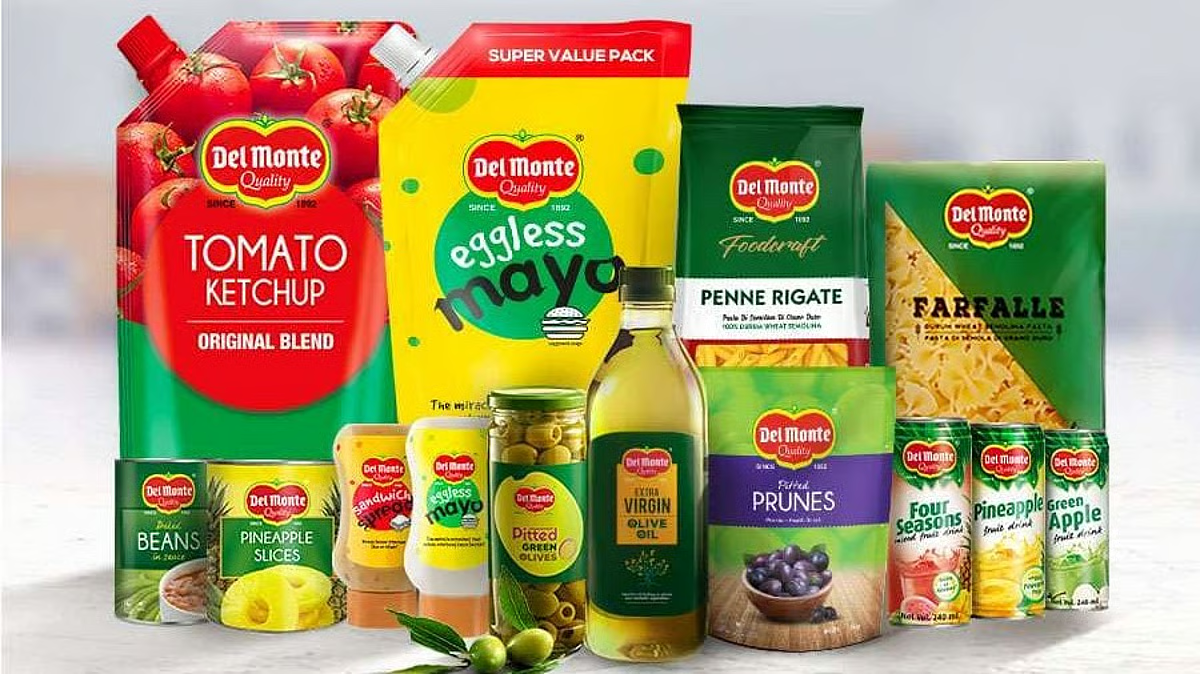
Del Monte Foods, the iconic American food brand with roots dating back nearly 140 years, has filed for Chapter 11 bankruptcy as part of a sweeping restructuring plan designed to reposition the company for long-term viability.
In a statement released by the company, Del Monte confirmed that it has entered into a court-supervised sale process under a Restructuring Support Agreement (RSA) with its lenders. The goal? To find a buyer and reset its operations in response to shifting market dynamics.
From Pantry Staple to Turnaround Candidate
Known for its canned fruits, vegetables, and shelf-stable meals, Del Monte has been a familiar name in households for generations. However, the company has struggled to keep pace with evolving consumer behavior—particularly the growing preference for fresh, organic, and preservative-free food options.
“This sale process is the most effective path forward to accelerate our turnaround,” said Greg Longstreet, Del Monte’s President and CEO, signaling that the brand remains focused on its future despite financial headwinds.
What’s in the Restructuring Plan?
- Chapter 11 Filing: Initiated in the U.S. Bankruptcy Court for the District of New Jersey.
- Asset Sale: Includes “all or substantially all” of the company’s assets, prioritizing the best offer received.
- Debtor-in-Possession Financing: Del Monte has secured $912.5 million in financing from its existing lenders to maintain operations through the sale process.
- Balance Sheet Metrics: The company’s estimated liabilities and assets each range between $1 billion and $10 billion.
Overstock, Layoffs, and Cost Pressures
Sources familiar with the matter point to excessive inventory and shifting consumer preferences as central challenges. Surplus canned goods have resulted in higher warehousing costs and increased promotional spending to clear shelves.
Del Monte has also undergone layoffs and restructuring over the past year, signaling internal acknowledgment of the urgent need to modernize. According to analysts, this filing marks the fourth major bankruptcy in the U.S. food and beverage sector this year, underscoring industry-wide volatility.
What Happens Next?
Del Monte’s strategic shift is emblematic of a broader trend: legacy food brands are under intense pressure to adapt or risk obsolescence. While the company retains significant brand recognition and distribution infrastructure, its product strategy will need radical reinvention.
Potential investors may see an opportunity to modernize Del Monte’s offerings—think functional foods, plant-based options, or ready-to-eat healthy meals—leveraging the brand’s nostalgic value in a market hungry for wellness.
If executed well, the court-supervised sale could be less of a sunset and more of a sunrise for one of America’s oldest food producers.