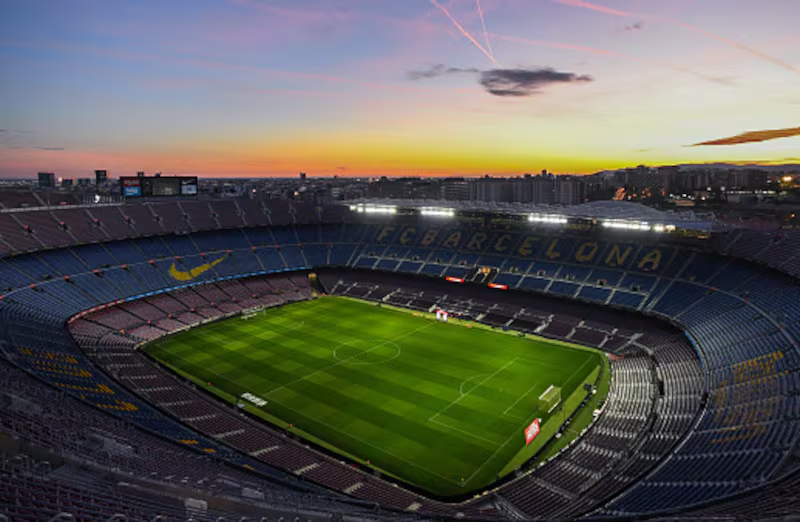
In a strategic financial move that reflects both ambition and pragmatism, FC Barcelona has restructured a €424 million portion of the debt originally raised for the renovation of the legendary Spotify Camp Nou stadium. The refinancing will allow the club to postpone its first repayment from 2028 to 2033, easing short-term financial pressure while the revamped stadium begins to generate returns.
The move is part of a larger €1.45 billion financing package secured in 2023 from top institutional investors, including Goldman Sachs and JP Morgan, to modernize one of the most iconic venues in world football.
The New Structure
According to the club’s official statement:
- Goldman Sachs acted as financial adviser on the refinancing deal.
- The €424 million debt tranche now has a repayment window from 2033 to 2050, instead of the previous 2028–2047 schedule.
- The average cost of the refinanced debt stands at 5.19%.
- FC Barcelona emphasized that this ensures a “gradual and staggered” repayment approach.
The restructured deal provides critical breathing room as the club navigates its post-pandemic recovery, competitive rebuild, and off-field financial transformation.
Strategic Vision Behind the Renovation
The Camp Nou modernization project is not just architectural — it’s commercial.
Barcelona projects €200+ million in additional annual revenues once the stadium is fully operational, driven by:
- Sponsorships and naming rights
- Increased ticketing capacity and pricing
- Premium hospitality and VIP services
- Expanded event hosting and non-matchday activation
- Enhanced food and beverage offerings
A friendly match on August 10th will mark the partial reopening of the venue — a symbolic return home for the men’s first team, and the first step in activating this new revenue engine.
Barcelona’s debt restructuring is not just about deferral — it’s about strategic capital timing.
Here’s why it matters:
- Revenue-Backed Optimism: Delaying repayment until the stadium begins contributing new cash flow allows the club to align its debt servicing with income generation.
- Investor Confidence: That blue-chip institutions remain engaged signals continued belief in the club’s commercial roadmap.
- Staggered Risk Management: This move reduces financial bottlenecks during a critical brand rebuild phase — particularly with UEFA Financial Fair Play compliance looming.
Clubs across Europe should be taking notes: Infrastructure isn’t a cost center — it’s an engine, if capitalized and timed correctly.
Join the 365247 Community here.
IMAGE: Getty Images