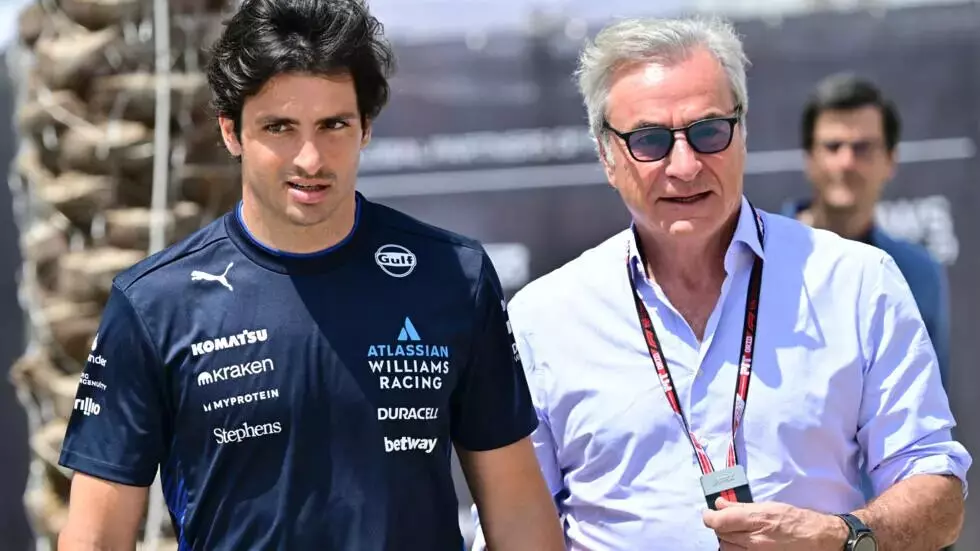
In a move that reshapes the upcoming FIA leadership race, Carlos Sainz Sr. has officially announced he will not stand for the presidency of motorsport’s global governing body. This clears the path for incumbent president Mohammed Ben Sulayem to likely secure a second term unopposed in the December 2025 elections.
The decision brings an end to months of speculation after Sainz — a two-time World Rally Champion, four-time Dakar Rally winner, and father of Formula One driver Carlos Sainz Jr. — hinted in May at launching a formal challenge against Sulayem.
“After thoughtful reflection, I’ve concluded that the present circumstances are not ideal to set the grounds for my candidacy,” Sainz shared via a personal statement on social media platform X.
Instead of running, the 63-year-old Spaniard confirmed he will return to compete in the 2026 Dakar Rally in Saudi Arabia with Ford — reaffirming his dedication to elite-level motorsport.
Strategic Implications
While the FIA presidency may often appear to be a backstage administrative role, it is anything but. The president influences everything from global regulations to sustainability policies, commercial rights oversight, and the overall tone of collaboration between governing bodies and the sport’s commercial stakeholders — especially in Formula One.
Carlos Sainz Sr.’s potential candidacy was seen by some as a pivot toward deeper driver representation and performance-first leadership within the FIA hierarchy. His son, Carlos Jr., remains a director of the Grand Prix Drivers’ Association, highlighting the family’s embeddedness in the sport’s modern ecosystem.
Sainz Sr. also acknowledged the scale of the challenge: understanding internal FIA structures, navigating international politics, and forming a full slate of officers — all prerequisites for candidacy under revised statutes that critics argue favor incumbents.
Ben Sulayem’s Position Strengthens
Ben Sulayem, a former rally champion from the UAE, has confirmed his intention to seek re-election. While his tenure has seen several contentious flashpoints — from clashes with F1 teams to controversial regulatory decisions — he maintains strong regional backing and has recently consolidated his control through statute changes.
These revisions have raised the barrier for potential rivals, leading some insiders to question whether the FIA is moving toward a more centralized, less democratic leadership structure.
The 365247 View: Governance Stability or Competitive Stagnation?
The likely reappointment of Ben Sulayem provides continuity — but not without tension. For a sport that thrives on innovation, disruption, and global relevance, the FIA’s governance system still feels anchored in legacy models.
Strategic Question:
Should the FIA open pathways for fresh perspectives and diverse leadership voices — or does stability outweigh change in a commercial era dominated by billion-dollar media deals and geopolitical expansion?
Join the 365247 Community here.
IMAGE: AFP