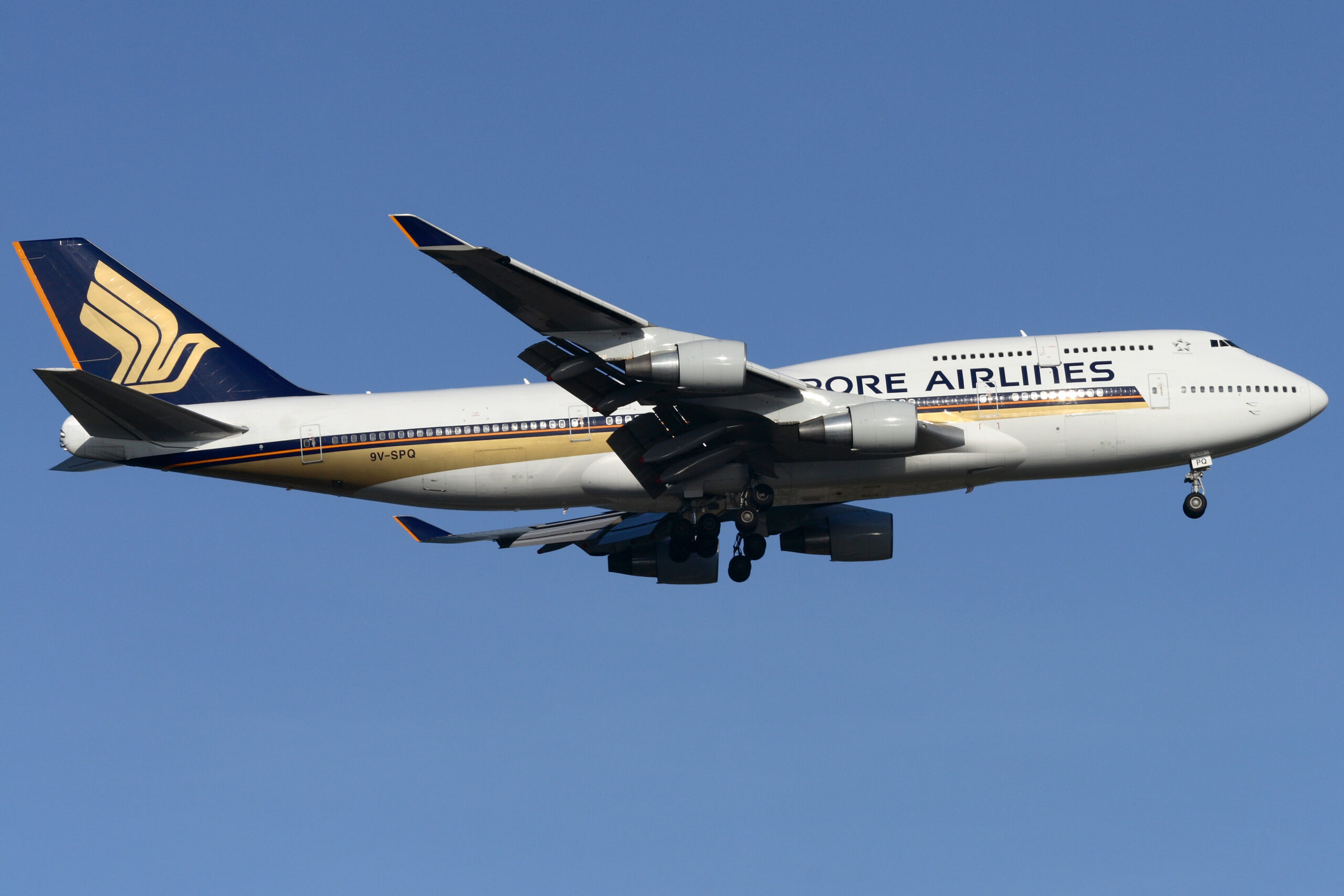
Singapore Airlines is bracing for a steep rise in climate compliance costs, as increasing passenger and cargo traffic continues to drive up emissions. In a recent sustainability update, the airline flagged potential environmental expenses exceeding S$200 million ($156 million) by the end of the decade, linked to global aviation carbon offset schemes.
At the center of this projection is the Carbon Offsetting and Reduction Scheme for International Aviation (CORSIA)— a global initiative requiring carriers to purchase carbon credits to neutralize their climate impact. Singapore Airlines has categorized this financial exposure as “high risk,” signalling serious long-term implications for the bottom line.
Emissions on the Rise
The airline reported a 14% increase in direct (Scope 1) emissions over the past year, largely driven by a rebound in passenger demand and the logistical impact of airspace restrictions that have extended flight routes. Scope 1 emissions — which stem directly from aircraft fuel consumption — remain the largest contributor to the carrier’s carbon footprint.
While passenger numbers returning to pre-pandemic levels may be a welcome sign for the industry, they’re also reigniting the conversation around sustainable growth in aviation.
Modern Fleets as the First Line of Defense
CEO Goh Choon Phong emphasized the airline’s continued investment in newer, more fuel-efficient aircraft to drive near-term emissions reductions. “The aviation industry’s most immediate path to decarbonization lies in phasing out older jets in favor of modern models,” he stated.
By replacing legacy aircraft with advanced, lower-emission alternatives, Singapore Airlines aims to curb its fuel burn and reduce its environmental impact. However, achieving net-zero emissions by 2050 — the airline’s formal target — will require broader innovation across sustainable aviation fuel (SAF), carbon removal technologies, and tighter policy frameworks.
The Bigger Picture: Compliance Pressure Meets Growth Ambition
Singapore Airlines’ warning reflects a growing tension in global aviation: the balance between expanding air travel and meeting climate goals. As international regulators raise the bar on sustainability, airlines worldwide will need to navigate not just airspace, but the increasingly complex economics of environmental responsibility.
The $156 million figure isn’t just a line item — it’s a signal to investors, competitors, and policymakers: sustainability is now a core business cost, not a side conversation.
At 365247 Media, we continue to track the intersection of aviation, climate policy, and global growth. Stay tuned as legacy carriers and emerging players alike navigate the future of flight.