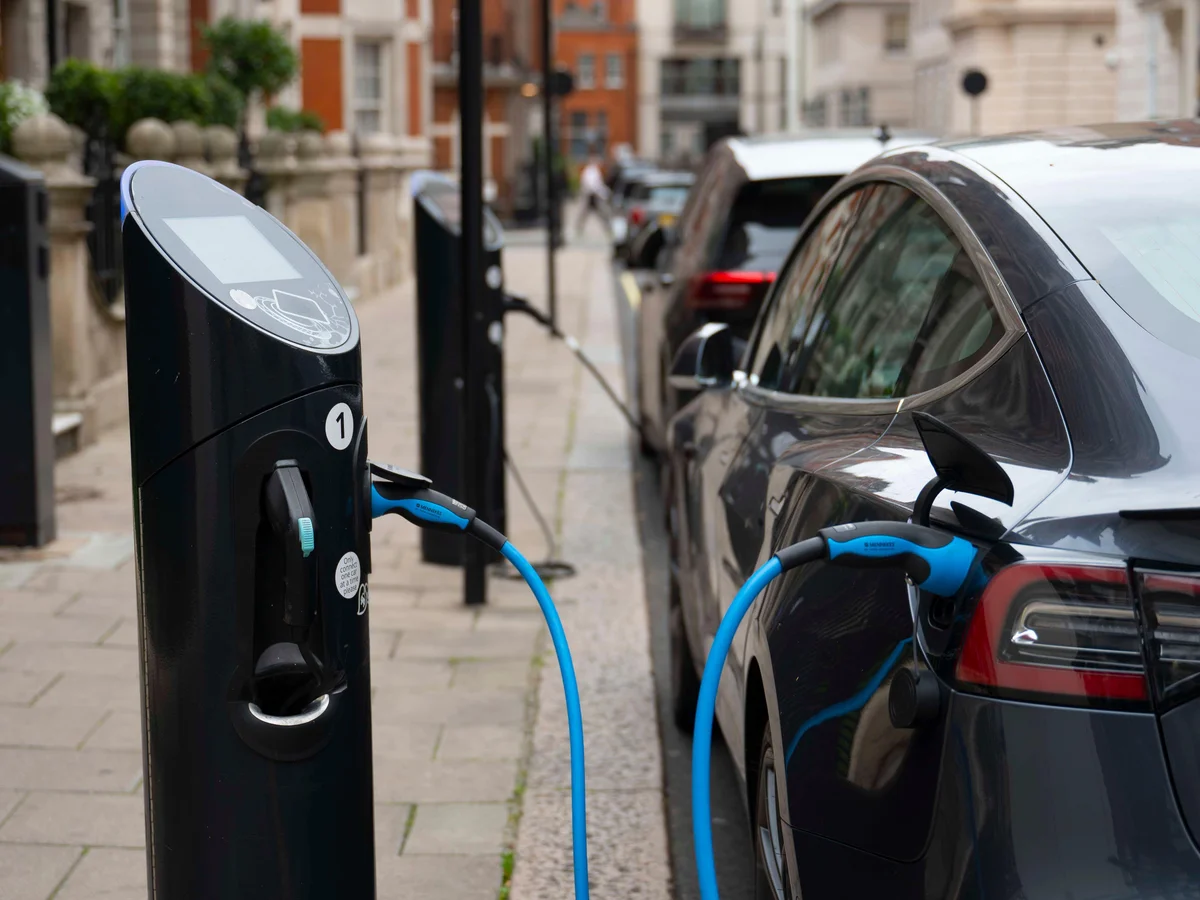
Europe’s electric vehicle (EV) landscape is accelerating once again. According to the latest data from the European Automobile Manufacturers’ Association, new car registrations rose 1.9% year-over-year in May 2025, reaching 1.11 million units. Leading the charge? Plug-in hybrids and battery-electric vehicles.
This marks a meaningful pivot point for Europe’s auto sector, as consumer behavior, evolving regulation, and cross-border competition collide to redefine the road ahead.
The Plug-In Hybrid Resurgence: A Bridge for the Cautious Consumer
Plug-in hybrid vehicles (PHEVs) saw a dramatic 46% surge in sales during May—crossing the 100,000-unit mark. Their appeal lies in flexibility: offering electric mileage for city commutes while reducing range anxiety through traditional fuel tanks. As charging infrastructure remains uneven, particularly outside urban centers, PHEVs are filling a strategic gap in the electrification journey.
Meanwhile, fully electric vehicles (BEVs) grew 27% in sales, now accounting for 17% of total market share. Government incentives across several European countries continue to act as accelerants for adoption, even as economic uncertainty and charging limitations temper a full-scale shift.
Competitive Disruption: China’s Market Infiltration Heats Up
Europe’s EV transformation is unfolding amid intensifying global competition—particularly from Chinese automakers. According to JATO Dynamics, brands like BYD sold over 65,000 vehicles across 28 European markets in May, more than doubling their collective market share year-on-year to 5.9%. Notably, BYD nearly matched Tesla’s monthly figures, overtaking the U.S. company for the first time in April.
Tesla’s presence in Europe continues to soften, with deliveries down 28% amid growing price sensitivity, stiffening competition, and broader reputational factors. Bloomberg reports that CEO Elon Musk’s public image may be playing an increasingly influential role in consumer decision-making across the continent.
Legacy Brands: Reinvention or Regression?
Traditional manufacturers are navigating mixed fortunes:
- Volkswagen Group remains the market leader with over 309,000 vehicle registrations—buoyed by refreshed electric models like the ID.4 and the new Elroq from Skoda.
- Renault posted a 4.6% rise, with strong showings from the Dacia lineup despite looming leadership changes.
- Stellantis, however, reported a 3% drop, as it grapples with outdated internal combustion models and a need to reposition its EV offerings under new CEO Antonio Filosa.
What It Means: Strategy, Spend & Scale
This latest surge—driven by hybrids and BEVs—represents not just consumer preference shifts but a deeper industry inflection point. Approximately $1.2 billion in economic activity was generated in May alone based on unit volume and average vehicle pricing. Automakers now face a dual challenge: scaling up EV innovation while safeguarding margins.
From a strategic perspective, the momentum in plug-in hybrid adoption hints at a longer transition curve for full electrification. As regulatory deadlines for combustion engine phase-outs loom, the coming months will test how agile, capital-efficient, and brand-resilient each automaker truly is.
Bottom Line: Europe’s EV market isn’t just growing—it’s transforming. Hybrids are no longer just a stepping stone; they’re a core part of the region’s electrification narrative. And with Chinese manufacturers gaining ground, legacy and tech-native players alike must prepare for a far more contested road ahead.
Stay tuned to 365247 Media for deep-dive insights at the intersection of mobility, policy, and technology.
Join the 365247 Community here.
IMAGE: Alamy