Credit: Boardroom
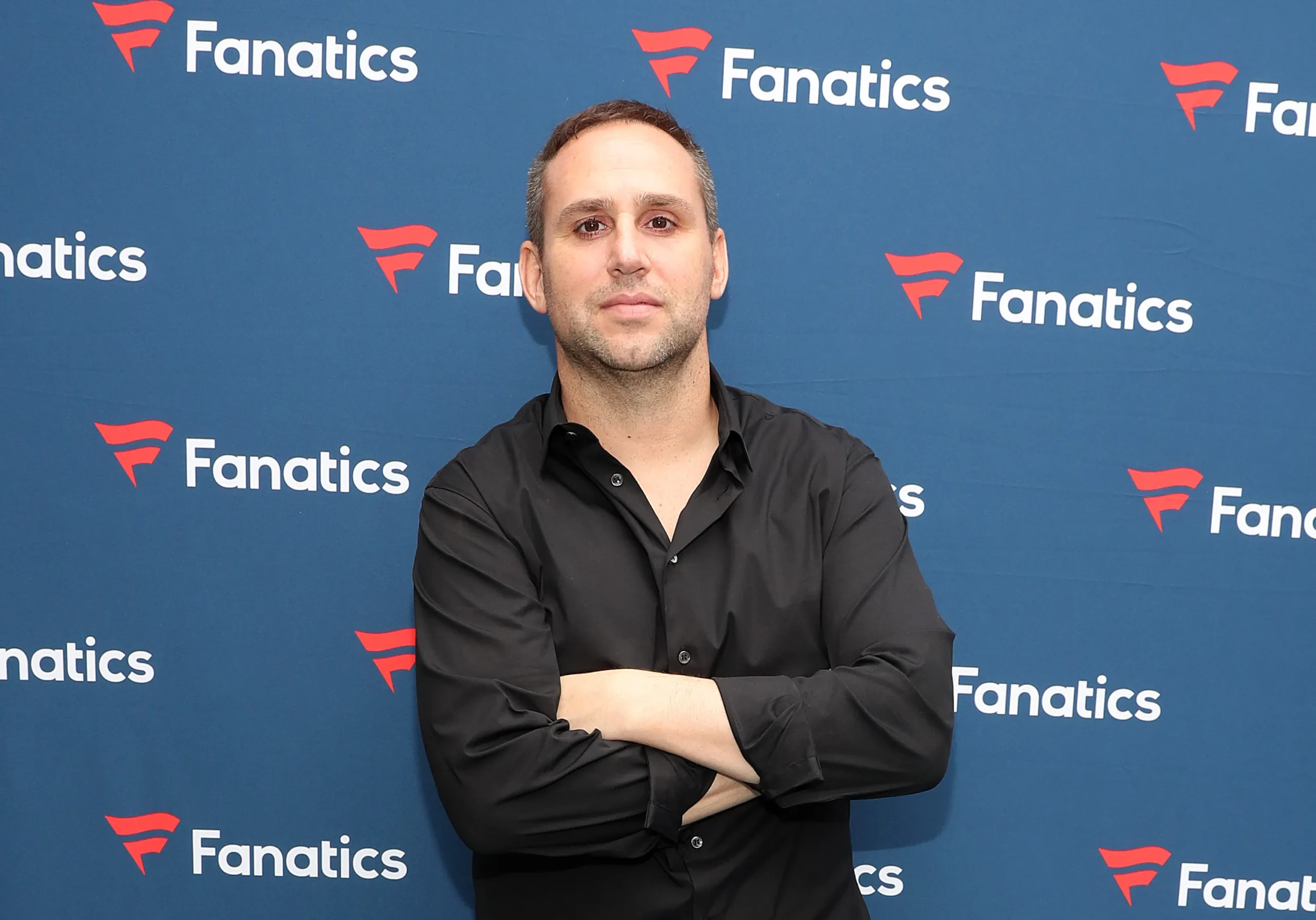
From his courtside seats to A-list celebrity circles, Michael Rubin may appear like a man of leisure. But beneath the glamorous surface is a relentless entrepreneur building Fanatics into one of the most powerful and dynamic forces in global sport.
Since acquiring Fanatics in 2011 as part of a carve-out from GSI Commerce, Rubin has transformed it from a niche licensed merchandise business into a $31 billion digital sports platform, spanning e-commerce, trading cards, live events, gaming, and beyond.
From T-Shirts to Tech & Tickets
The game-changing moment came in 2018, when Fanatics signed a 10-year deal with the NFL to become the exclusive manufacturer and distributor of all Nike-branded NFL merchandise. This positioned Fanatics at the heart of sports licensing and gave it the momentum to start expanding rapidly.
Then came COVID-19. While many businesses retrenched, Rubin went on the offensive. Fanatics raised billions, diversified aggressively, and doubled down on innovation, entering sectors like sports betting, ticketing, and even NFTs. While NFTs didn’t pan out, Rubin pulled the plug early and returned investor capital — a rare move that showcased accountability and forward-thinking.
As Rubin puts it: “If you don’t have that mentality, you’ll become irrelevant.”
The Rise of Fanatics Fest
One of the company’s most fascinating moves? Fanatics Fest — an event blending Comic-Con, Rolling Loud, and the Super Bowl into a consumer experience that’s not even designed to be profitable.
Instead, it’s a massive marketing activation that captures the essence of the Fanatics ecosystem: merch, athletes, culture, cards, and collectors. In an era of fragmented attention spans and rising customer acquisition costs, Fanatics Fest has become one of the most valuable brand assets the company owns — not because it drives revenue directly, but because it cements Fanatics’ place in fan culture.
“We’re Just Getting Started”
Despite Fanatics’ meteoric rise, Rubin still describes the company as a 22,000-person startup. His playbook? Stay paranoid. Think big. Reinvent constantly.
Rubin’s leadership is rooted in identifying which businesses are worth being in and how to make them better — a three-part lens that has helped Fanatics scale with speed and focus.
Now, with high-profile acquisitions like Mitchell & Ness and Lids, and global growth in digital commerce, trading cards, and sports betting, Rubin is building not just a company — but a sports infrastructure empire.
How to Think Like Fanatics?
Create Ecosystems, Not Silos – Integrate verticals like commerce, content, and collectibles for maximum fan lifetime value.
Think Experience Over Revenue – Use live events and fan gatherings as emotional drivers, not just financial levers.
Act Like a Startup, Scale Like an Enterprise – Balance agility with scale using flexible capital models and strategic partnerships.
Double Down on Distribution – From tech platforms to talent channels, Fanatics’ strength lies in controlling the fan funnel.
Fail Fast, Pivot Faster – A disciplined exit is as valuable as a bold bet. NFTs weren’t a loss — they were a lesson.
Join the 365247 Community here.
IMAGE: Getty Images