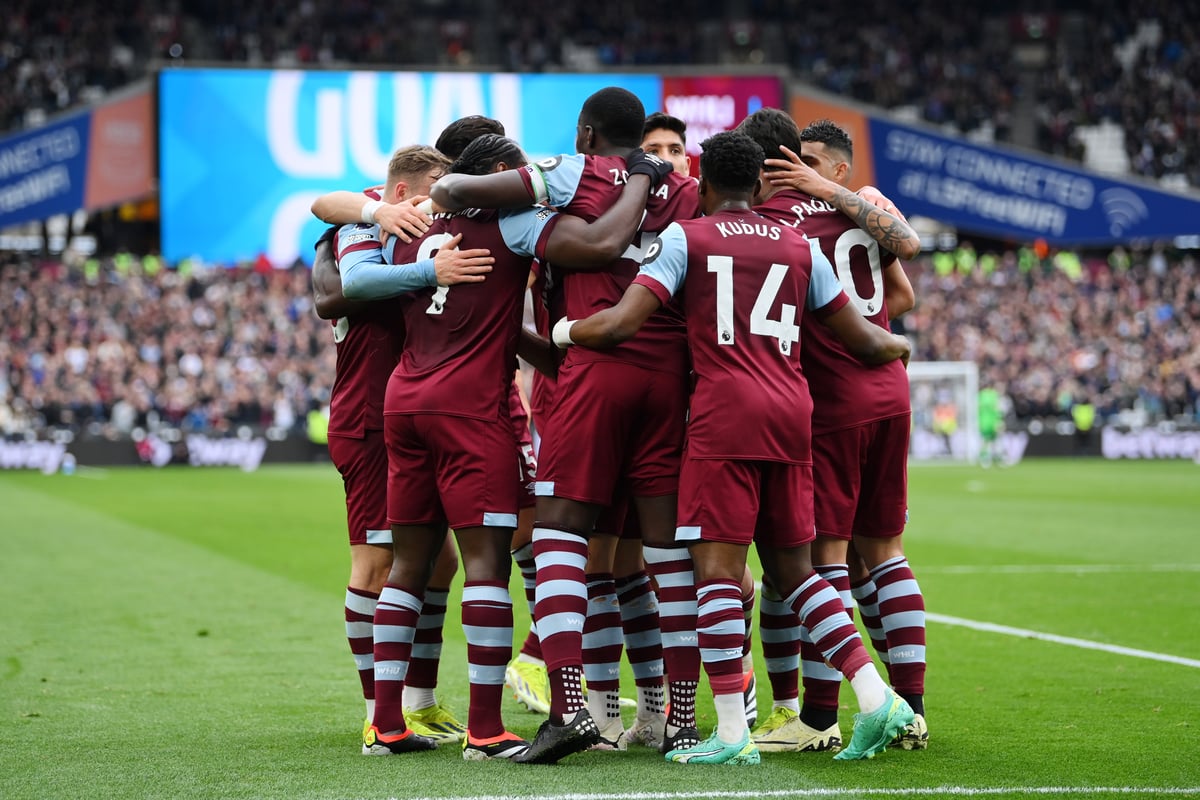
Manchester City have officially kicked off their FIFA Club World Cup campaign with a confident 2-0 win over Wydad AC in Philadelphia, as goals from Phil Foden and Jeremy Doku helped Pep Guardiola’s side collect three points in their opening fixture.
But beyond the scoreline, this tournament is about far more than silverware. It’s about Manchester City’s growing global ambitions — and the fine line between global expansion and local loyalty.
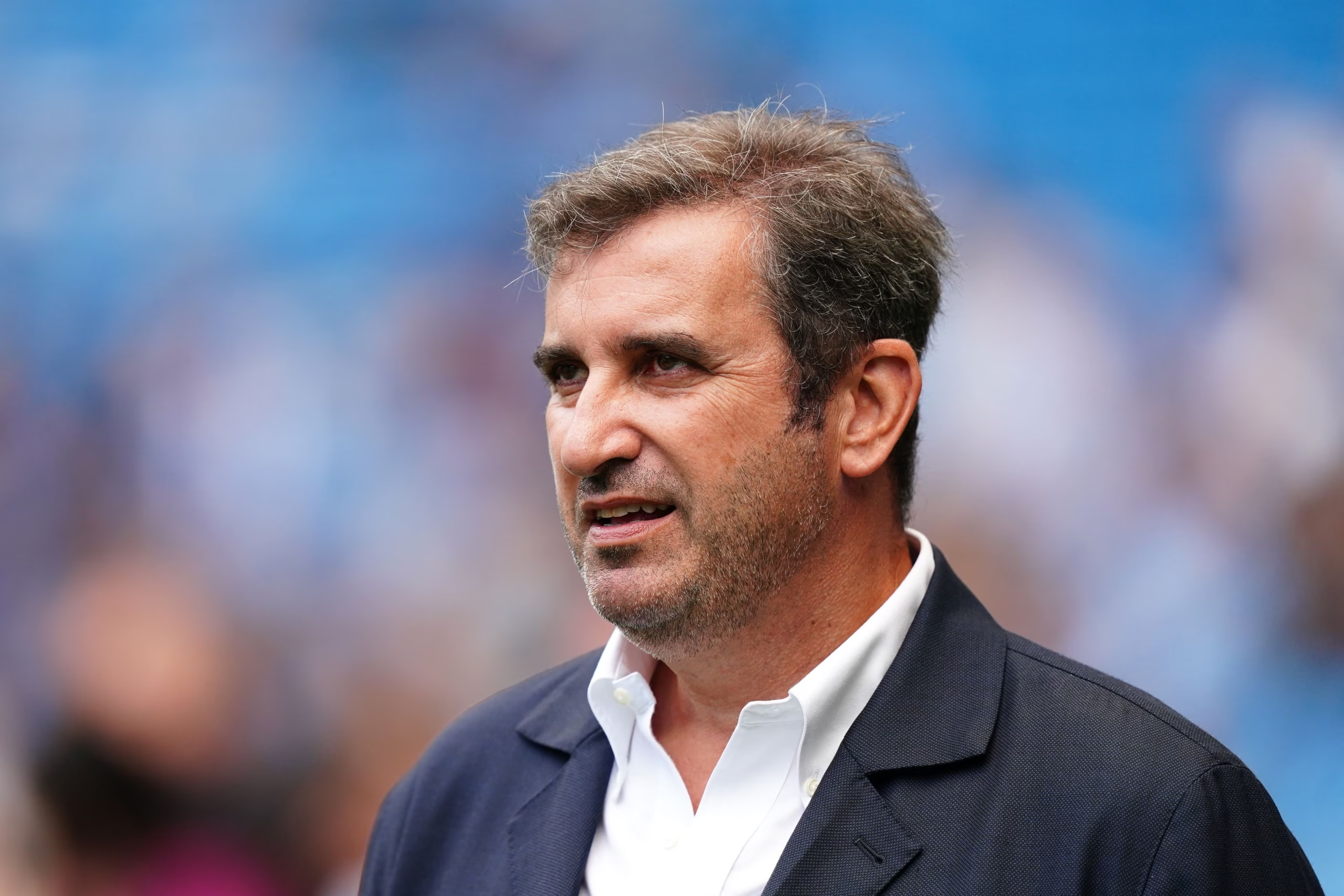
As City prepare for their next group-stage match against Al Ain on Sunday, CEO Ferran Soriano addressed criticism that the Club World Cup is too commercial and may alienate local fans.
“We are a global football club. We have our roots and we are proud of them,” Soriano said. “But you can be local and relevant and faithful to your history… while also showing what we do – beautiful football – to the world.”
The Club World Cup: A Strategic Reset
After an uncharacteristically trophyless season, the Club World Cup serves as a strategic reset for Guardiola’s squad. With over £300 million invested in new players since January and a bold rebuild underway following the exit of Kevin De Bruyne to Napoli, this tournament offers both sporting value and symbolic renewal.
New signings Rayan Cherki and Tijjani Reijnders were handed full debuts, with others like Rayan Ait-Nouri waiting in the wings. The message is clear: City are building for the future — both on the pitch and in global markets.
Global Expansion vs. Local Identity
The Club World Cup’s American setting has drawn criticism from some traditionalists. But Soriano emphasizes that the global growth of football — and Manchester City’s brand — doesn’t have to come at the expense of authenticity.
“Soccer is a global sport, and we have to make it global. You have to have teams like Manchester City playing teams from Morocco, Korea or wherever,” Soriano said. “That’s part of the globalization of the number one sport in the world.”
Why This Matters: Insights from 365247 Consultancy
At 365247, we see Manchester City’s participation in the Club World Cup as part of a broader brand globalization strategy being adopted by elite clubs. For rights holders, sponsors, and leagues alike, this raises important questions:
- How can clubs scale internationally without diluting local fan engagement?
- What are the economic upsides of competing in global tournaments like the Club World Cup?
- How do investments in new markets translate into long-term fanbase and commercial ROI?
City’s balancing act between local relevance and global ambition is a case study in modern football’s evolution into a global entertainment business.
If you’re a club, federation, or brand looking to expand your sports presence across borders while retaining authenticity — we can help.
Get in touch with 365247 Consultancy for tailored strategy, expansion playbooks, or partnership frameworks. Schedule your introductory call here.
Join the 365247 Community here.
IMAGE: PA