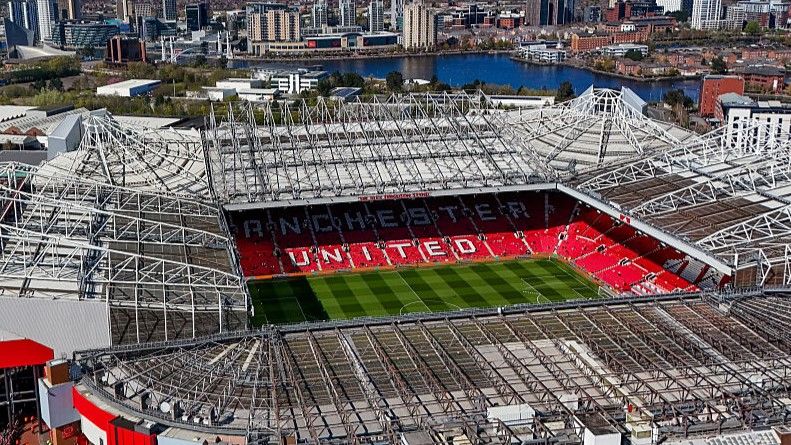
In a move that has ignited a fresh wave of discontent, Manchester United have unveiled a new ticket pricing model for the 2025/26 Premier League season—one that could see matchday prices soar as high as £97 per ticket, up from last season’s £66 flat rate.
The highest price point applies to Category A fixtures, including matches against Arsenal, Liverpool, Chelsea, City, Spurs, and Newcastle. On the opposite end, Category C fixtures against clubs like Sunderland and Wolves will start at £37. In total, United have introduced a four-tier categorisation system covering the ~20,000 tickets sold on a game-by-game basis.
The backdrop? United’s worst domestic season since 1973-74, finishing 15th and miles off their historical standards. This sharp rise in pricing, despite underperformance, has left large sections of the fanbase feeling betrayed.
“This really is a fresh kick in the teeth for Manchester United fans,” said the Manchester United Supporters Trust (MUST), highlighting what they call a lack of consultation and disregard for the club’s loyal supporters.
Despite the club’s insistence that fewer than 1% of matchday tickets will be priced at £97, the optics are damaging. The new structure replaces a mid-season policy introduced last year, where unsold matchday tickets defaulted to £66—already seen as excessive by many.
The Commercial Rationale
From the club’s point of view, the rationale is clear: revenue generation. Chief executive Omar Berrada has already acknowledged previous pricing missteps and is trying to find a balance between financial sustainability and fan sentiment.
It’s worth noting that matchday revenue is one of the few controllable income streams clubs can adjust year-on-year without relying on sponsorship deals or broadcasting negotiations. Also, price categorisation is now common practice across the Premier League, with Fulham’s top ticket price hitting £160 last season.
Still, as other clubs inch toward smarter dynamic pricing models and greater fan dialogue, Manchester United’s approach feels heavy-handed and out of sync—especially after a turbulent season both on and off the pitch.
What Can Clubs Learn?
At 365247, we believe this episode offers valuable commercial lessons for rights-holders, especially in the post-performance downturn phase:
1. Fan-Centric Pricing Isn’t Optional—It’s Essential
In today’s climate, pricing without meaningful dialogue triggers backlash. Consider structured fan feedback panels before every pricing overhaul.
2. Dynamic Pricing Needs Dynamic Transparency
If you’re going to increase prices, align it with a clear value proposition: stadium experience, hospitality upgrades, or reinvestment plans.
3. Don’t Just Benchmark on Price—Benchmark on Sentiment
It’s not just “what the rivals are charging”—it’s how their fans feel about it. Your pricing model must be built around brand goodwill, not just balance sheets.
4. Use Underperformance as a Reset, Not a Revenue Lever
This was the moment for United to repair and recalibrate, not to monetise matchday passion. The atmosphere at Old Trafford next season will speak volumes.
Ready to Build a Smarter Fan Revenue Strategy?
At 365247 Consultancy, we help sports clubs, leagues, and federations balance growth with loyalty—engineering revenue models that scale without alienating the core audience.
Whether you’re considering pricing shifts, membership redesign, or in-stadium commercial activations:
Let’s talk. Book an introductory call here.
Join the 365247 Community here.
IMAGE: Getty Images