Credit: DYM, SportsVerse
Just a few years ago, the fashion world found itself obsessed with the most unlikely source of inspiration: gear made for the wild.
Brands once reserved for alpine expeditions, ultramarathons, and ski slopes—like Arc’teryx, Salomon, and 66°North—suddenly became fixtures at Coachella, fashion week, and Soho House brunches. Shell jackets once built for Arctic storms were now red carpet regulars. Trail shoes designed for ultra-distance races were being resold for more than the latest Jordans.
What started as a quiet underground movement exploded into a global trend. And it had a name: Gorpcore.
The Unexpected Icons of High Fashion
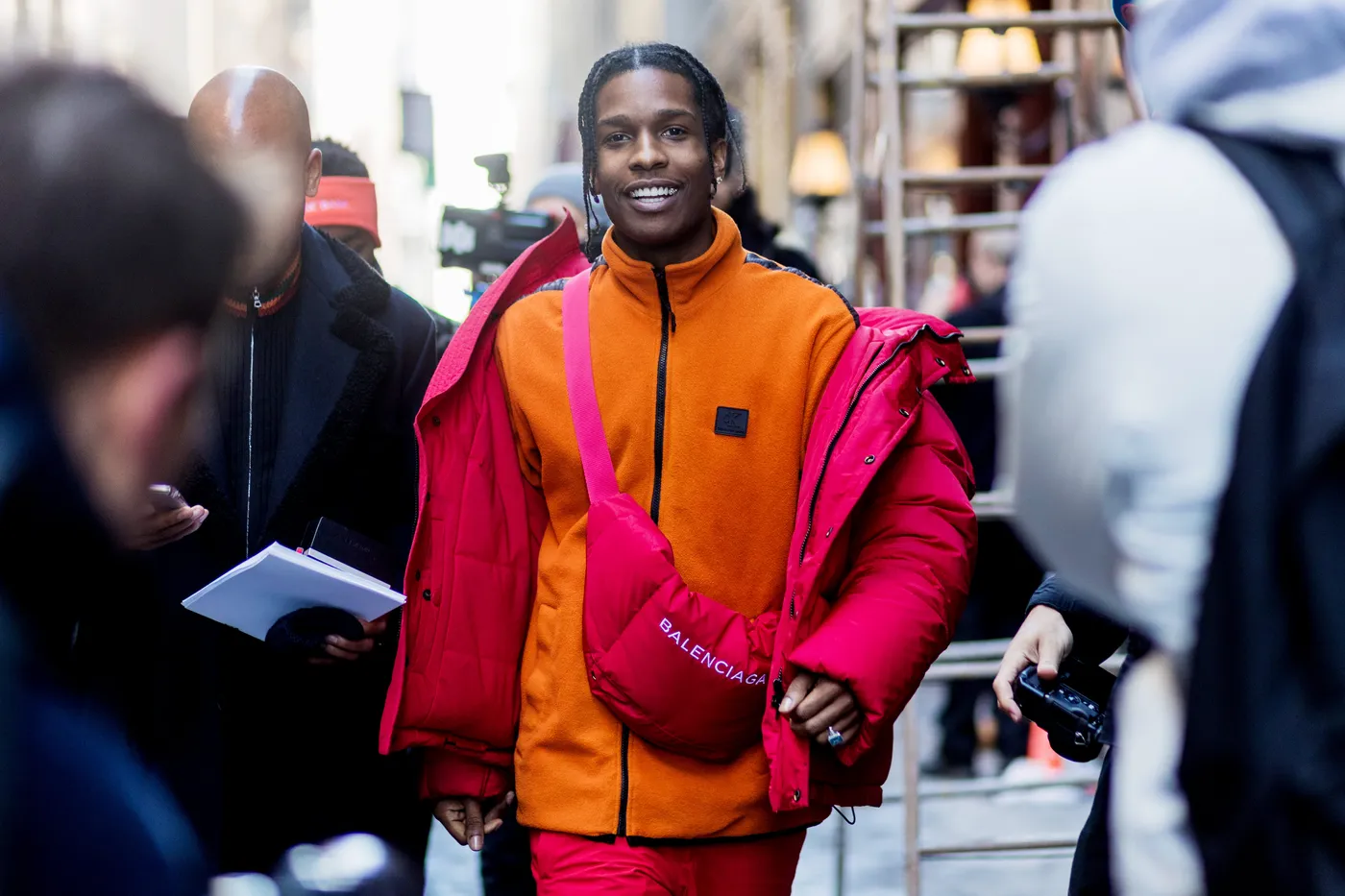
During the pandemic, when the world slowed down and nature offered rare respite, outdoor fashion found cultural momentum. Whether it was Frank Ocean in Arc’teryx, Drake spotted in high-performance shells, or Virgil Ablohelevating Salomon silhouettes, outdoor brands became style symbols.
Luxury fashion houses took notice.
- Salomon kicked off collaborations with MM6 Maison Margiela and dozens of streetwear brands.
- Arc’teryx pushed its design boundaries with the Veilance line.
- Iceland’s 66°North, a century-old outerwear label, hired a Louis Vuitton alum as creative director.
- Even giants like Zegna invested in niche performance brands like Norda, a trail-running disruptor.
The business impact? Massive. Both Arc’teryx and Salomon—owned by Amer Sports and backed by China’s Anta Sports—crossed $1 billion in annual revenue, riding a wave of newfound popularity.
Gorpcore’s Fade – But Not Its Fall
Trends are cyclical. And by late 2023, the gorpcore hype machine began to cool. Google Trends shows search interest in “gorpcore” peaked last year and has since declined. Fashion tastemakers moved on, swapping their XT-6s for Adidas Sambas, trading tech shells for retro football kits.
But that doesn’t mean the movement is over.
Outdoor brands didn’t collapse. Far from it—they recalibrated. Those that stayed authentic to their performance roots remained relevant, even as the fashion crowd moved on. The genius? They didn’t overextend for clout. Instead, they leveraged the attention to futureproof.
- Arc’teryx doubled down on Veilance for the fashion elite while reinforcing its base gear for mountaineers.
- Salomon spun out its Sportstyle division into a genuine streetwear player, without sacrificing performance innovation.
The reality is this: Performance gear still delivers unmatched value. Consumers increasingly see the logic in buying $300 jackets designed for Everest instead of $2,000 designer coats with no technical function. The price of luxury fashion continues to rise—but so does the practicality of purpose-built outerwear and footwear.
Where Does Gorpcore Go From Here?
We may not call it “gorpcore” anymore, but the fusion of function and fashion is here to stay.
The outdoor brands that succeeded before the hype—and played the long game during it—are now positioned better than ever. They’re not just cool anymore. They’re essential.
In a world that’s only getting more urbanized, digitized, and fast-paced, the gear built to connect us with nature holds real cultural power.
And whether you’re scaling a mountain, heading to work, or front row at Paris Fashion Week—function-forward fashion still wins.
📝 Credit: DYM from SportsVerse for reporting and insight.
IMAGE: Getty Images