SOURCE: Insider Sport
How Web3 and Fintech Are Redefining Commercial Strategy in Elite Motorsport
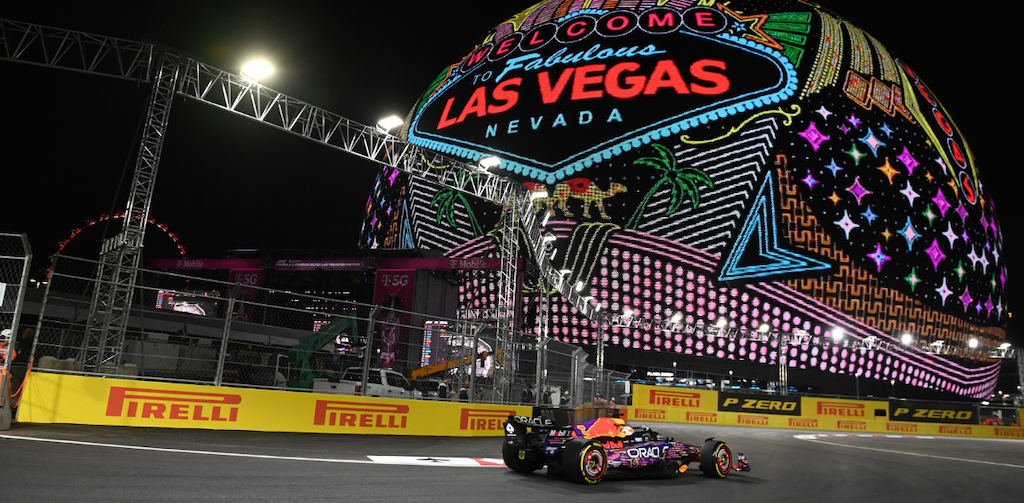
Not long ago, Formula 1 sponsorship was dominated by old-guard industries — tobacco, oil, and telecom. Think Marlboro, Shell, Vodafone — brands that shaped the sport’s commercial DNA. Fast forward to 2024, and you’ll find something very different emblazoned across team liveries: crypto tokens, DAOs, and fintech platforms.
At the 2024 Miami Grand Prix, ApeCoin DAO became the latest Web3 entity to partner with a Formula 1 team — launching a multi-year deal with BWT Alpine. More than a logo deal, the partnership included community-led governance, race-day activations, and digital-first fan engagement — a clear sign of F1’s evolving sponsorship economy.
This isn’t a one-off. The entire Formula 1 commercial ecosystem is experiencing a seismic shift, as crypto, trading platforms, and decentralised brands redefine the way value is created, activated, and sustained.
From Marlboro to Metaverse: The Changing Guard of F1 Sponsorships
F1’s commercial pivot reflects broader forces in global sports sponsorship. With regulatory tightening on traditional industries like tobacco and gambling, new economy brands have found opportunity — and Formula 1, with its global reach and innovation-first narrative, has become a magnet.
- In 2020, only a handful of trading firms were involved in F1.
- By 2024, seven major trading platforms (including AvaTrade, Pepperstone, and CFI Financial) sponsor top-tier teams.
- Crypto and trading sponsors will invest over $183M globally in 2024/25, with Formula 1 now a core channel.
This rise is no accident. Formula 1 offers brands a rare global-commercial hybrid:
- 24 races across 5 continents
- Premium hospitality and B2B networking
- Massive digital footprint among tech-savvy fans
- Open regulatory environment compared to other leagues
DAOs on the Grid: What Makes the ApeCoin x Alpine Deal Different?
Most sports sponsorships are boardroom-driven. This one came from a community vote.
ApeCoin’s partnership with Alpine wasn’t signed by a CEO — it was approved by the ApeCoin DAO community. This marks a fundamental shift in how rights deals can be structured. It blurs the lines between governance, marketing, and community-building.
The deal includes:
- Digital integrations with ApeChain
- Real-world activations at Grand Prix events
- A bridge between Alpine’s engineering heritage and ApeCoin’s decentralised ethos
For Formula 1 teams, these are more than just sponsorships — they’re strategic collaborations with communities that bring both capital and culture.
How Crypto.com Paved the Way
Crypto.com’s landmark 2021 deal with Formula 1 wasn’t just a marketing play — it was proof of concept.
- Five-year agreement with Formula 1 Group (not a team)
- Title sponsor of the Miami Grand Prix
- On-track branding at multiple races
It repositioned crypto from speculative fringe to mainstream financial player — particularly in the eyes of international fans, media rights partners, and corporate stakeholders.
Since then, brands like OKX, Tezos, Binance, and now ApeCoin have followed suit, each bringing a new interpretation of what a sponsorship can look like in the Web3 era.
The Regulatory Wildcard
Unlike the Premier League — which has banned gambling logos on front-of-shirt from 2026/27 — Formula 1 still offers a relatively unregulated environment for crypto brands. This flexibility is a key reason why fintech and token-based companies are choosing F1 over other sports.
However, that window may not stay open forever. Regulators in the UK, EU, and Australia are increasingly scrutinising token promotions and decentralised finance (DeFi) activations. Web3 brands, especially DAOs, may soon face additional layers of compliance if F1’s governing bodies or local jurisdictions decide to step in.
What This Means for Brands, Teams, and Investors
At 365247 Consultancy, we believe this evolving sponsorship landscape signals more than just new names on race cars. It signals a paradigm shift in how commercial rights are monetised, how fans are engaged, and how brand ecosystems are built.
For brands:
- F1 is now one of the best-performing sports platforms for Web3-native and digitally progressive companies.
- DAOs can activate in sport with governance-led models that create transparency, loyalty, and community buy-in.
- Early movers will set the tone for regulation and credibility.
For teams:
- You’re not just signing sponsors — you’re onboarding community partners and tech platforms.
- Consider Web3 integration as part of your activation mix, not just branding.
- Prepare for scrutiny as decentralised finance gains attention.
For investors and rights holders:
- Formula 1 is entering a new monetisation cycle — one that values platform utility, token economics, and audience decentralisation alongside traditional rights.
- Brands entering F1 today are not just sponsors — they’re stakeholders in a broader tech-media-finance convergence.
As DAOs, tokens, and trading platforms claim a growing share of the Formula 1 grid, one thing is clear: this is not just about crypto logos. It’s about reimagining the sponsorship model itself.
Formula 1 has always been about speed and precision. Now it’s also about decentralisation, digital storytelling, and the next generation of global commerce.
If you’re a crypto brand looking to enter sport or a sports property looking to capitalise on a web3 partnership –
📩 Book your introductory call here.
Join the 265247 Community – https://forms.gle/QJsL4e6yss1mbgrD6