Published: June 3, 2025
Executive Summary
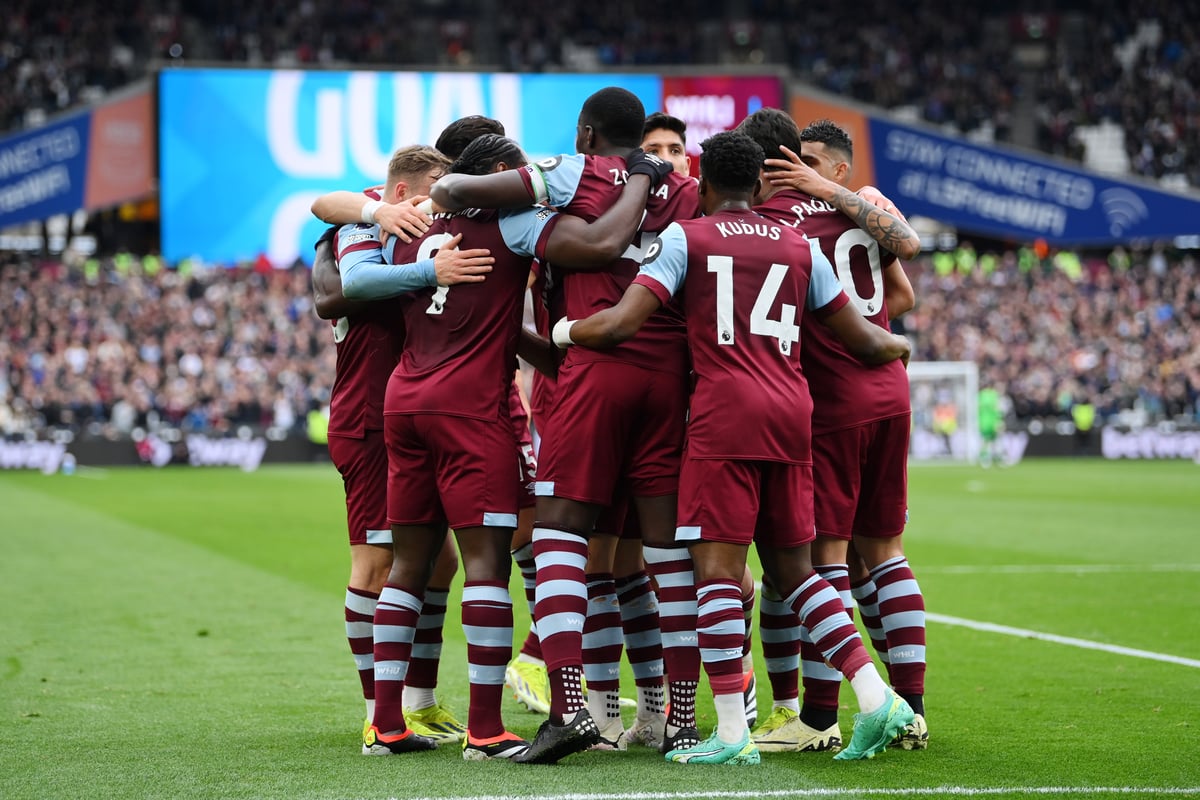
As of mid-2025, major sports leagues across the globe—from the NFL, NBA, and F1 to European football, cricket, and tennis—are reporting record-breaking matchday attendance and live event revenues.
But this is not a post-COVID anomaly or a one-off spike. It is the early maturity phase of a new attendance economy—where scarcity, spectacle, and immersive consumer experiences drive sustainable fan monetization.
This isn’t just about people coming back. It’s about how sports has strategically reasserted itself as the most powerful shared experience in global culture—and how the world’s most sophisticated leagues have operationalized that into commercial value.
The Macro Reality: Attendance Is Up — Everywhere
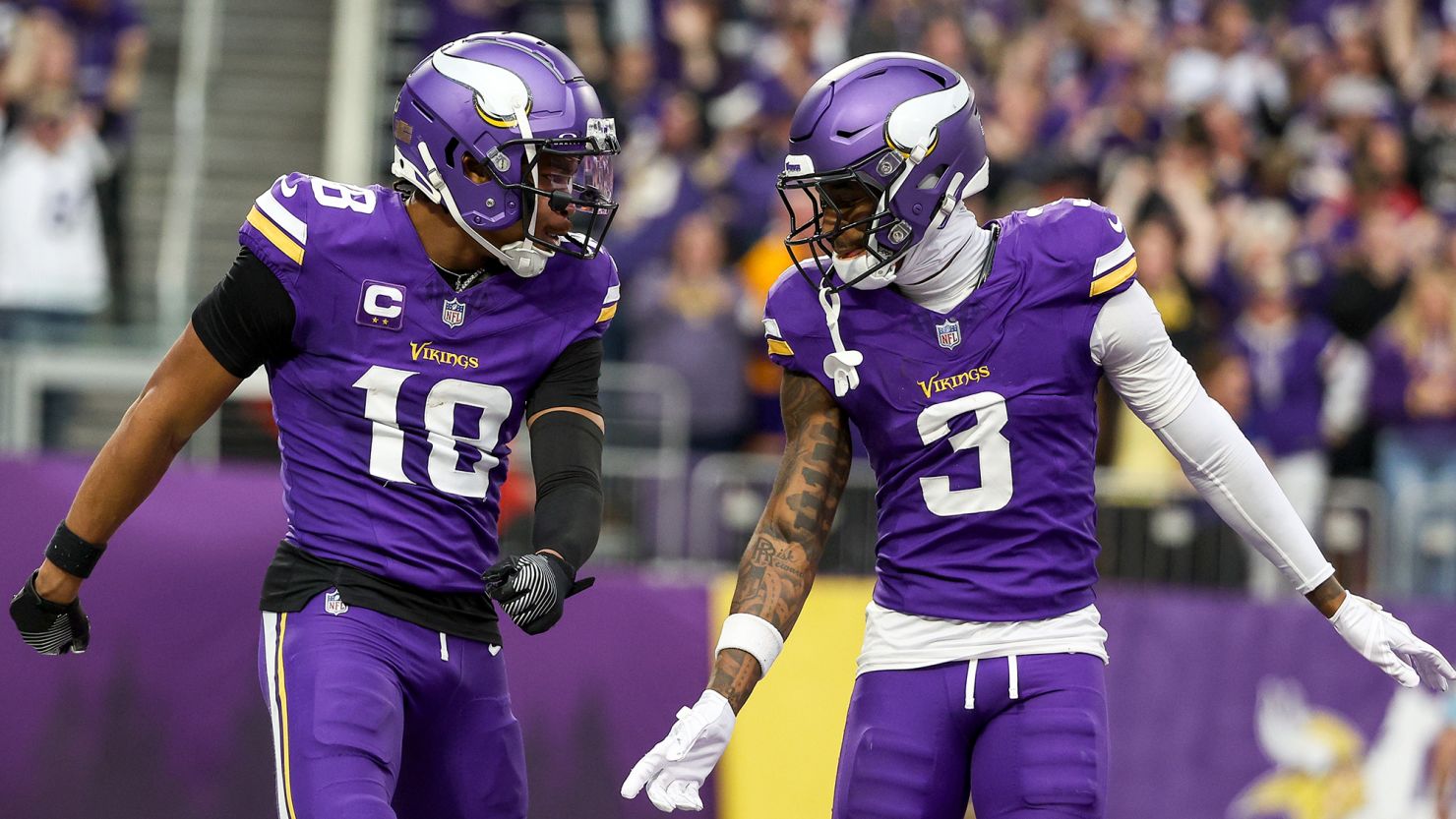
- NFL: 2023-24 regular season was the highest-attended in history, with 18.3 million total attendees
- NBA: 2024-25 saw 25 teams average over 17,000 per game, the most ever
- F1: Cumulative attendance across races has surpassed 6 million
- Premier League & La Liga: Record season ticket renewals, 100% sell-outs in Tier A clubs
- UFC & WWE: Consistently selling out multi-national arenas, often within hours
“Live sports is no longer competing with other entertainment. It is the entertainment.”
Why This Is Happening: 5 Strategic Shifts Powering the Surge
1. Sports is Culture Now — Not Just Competition
Leagues have pivoted from sport-centric marketing to culture-centric brand strategy. They now program their products as global entertainment franchises, not regional competitions.
Whether it’s the Swift-Kelce effect in the NFL, Drive to Survive’s Netflixification of F1, or Messi’s Inter Miami Reign, the strategic repositioning of athletes and teams as cultural assets is bringing in new, non-core audiences.
Key Outcome:
New demographics. More brand partnerships. Higher event anticipation. Wider emotional pull.
2. Segmentation at Scale: Catering to Distinct Fan Personas
Rather than reducing the number of fixtures, leading leagues are learning to scale their schedules intelligently by designing for multiple fan archetypes—local loyalists, casual event-goers, digital-native youth, and international fandoms.
This isn’t about “less or more.” It’s about “more for each type of fan”—tailored across timing, content, access, pricing, and vibe.
Consider these executions:
- MLS Rivalry Weeks activate tribal loyalty for core fans
- NBA’s In-Season Tournament draws Gen Z with new stakes and visual identity
- IPL weekday pricing & youth activations segment family and teen attendance
- Premier League global broadcasting target international fans without fixture loss
The strategy isn’t to increase the number of games—it’s smarter games, where every fixture has a purpose and a persona.
Why It Works:
- Drives repeat engagement across different audience layers
- Unlocks dynamic pricing potential
- Expands the emotional resonance of a long season without oversaturating the experience
Smart executives are asking not “how many games?” but “for whom, and how?”
3. The Experience Layer: Stadiums as Immersive Media Assets
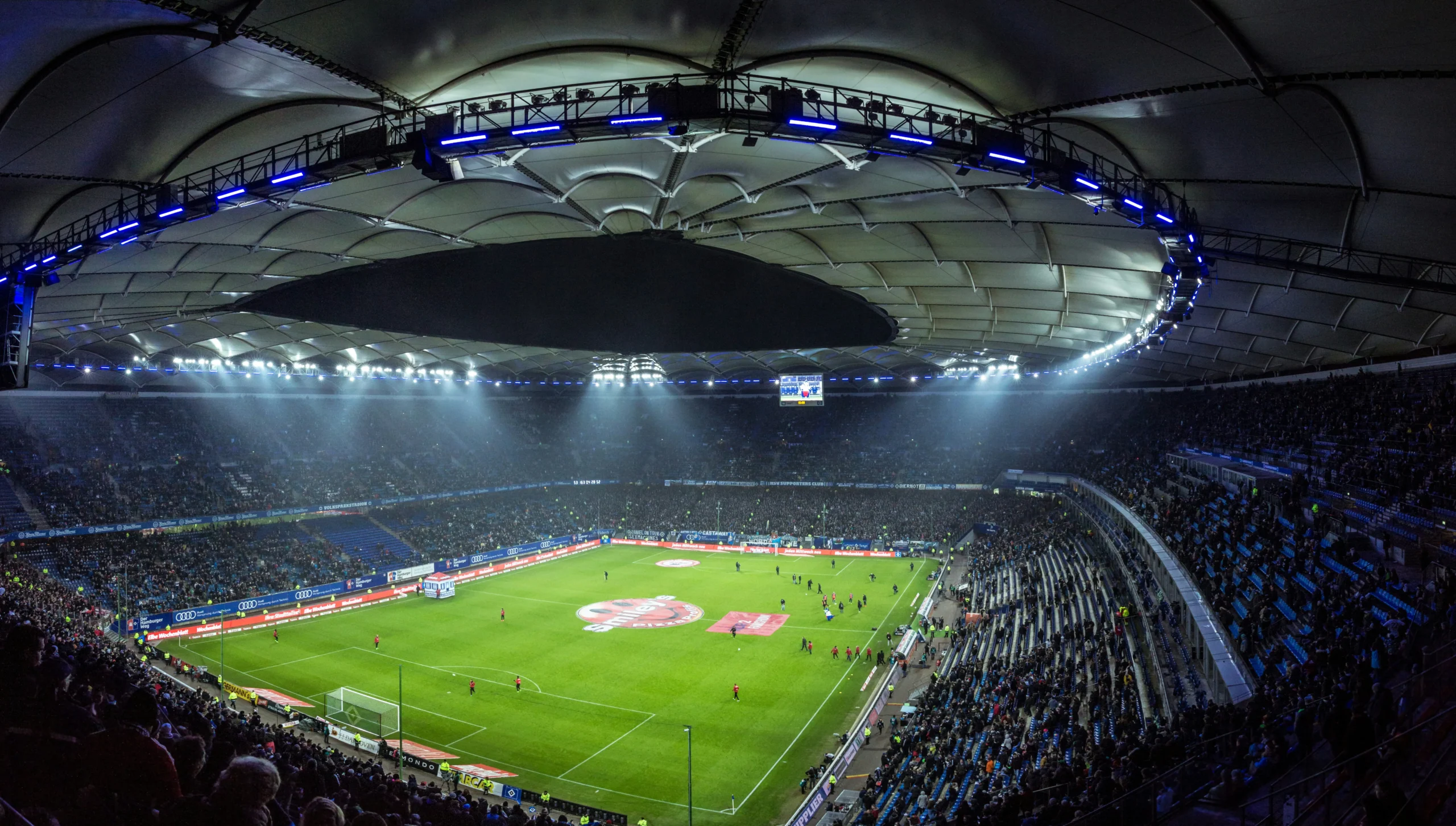
From interactive fan zones and hospitality villages to AR-enhanced viewing and concierge travel bundles, top clubs are redefining the stadium as a lifestyle product.
These aren’t ticketing strategies. They’re value stack upgrades—driven by consumer experience design, not just seat count.
Data Point: 72% of Gen Z fans say they would prefer to attend a sports event with non-sports entertainment (e.g. music, influencers, food experiences) built in.
4. Hyper-Localized Globalization
Gone are the days of one-size-fits-all globalization. Instead, we’re seeing curated international events tailored to local markets:
- NBA India, Abu Dhabi & Paris Games
- LaLiga in the US (via Relevent partnership)
- WWE and UFC staging localized fight cards in international markets
This creates ur6gency in the local market and storytelling in the global one.
5. Strategic Deployment of Creator & Fan Economy
Leagues are no longer gatekeeping media access—they’re co-creating narratives with fans and creators. Mic’d up players, tunnel cams, unfiltered Instagram Lives, and behind-the-scenes documentaries are flattening the access wall, making fans feel inside the product.
This democratization of sports storytelling is converting passive interest into attending fandom.
What Sports Executives Must Now Prioritize
Record-breaking attendance isn’t the endgame. It’s the early return of a deeper structural shift in how fans consume and value sport.
Here’s how decision-makers should respond:
A. Rethink Matchday as a Product, Not a Schedule
- Invest in pre- and post-game programming to extend dwell time
- Partner with fashion, music, and food verticals to layer experiences
- Optimize stadium tech for personalization (AR signage, mobile access, digital collectibles)
B. Use Demand Intelligence to Shape Your Fixture Calendar
- Dynamically structure high-demand games to maximize yield
- Internationalize select fixtures with cultural overlays
- Tier ticketing beyond seats: offer intimacy, status, or access
C. Monetize Fandom Year-Round
- Convert episodic attendance into 365-day relationships via digital memberships, interactive gamification, and fantasy integrations
- Anchor your content strategy in personality-led storytelling
D. Reposition Hospitality as Experiential Luxury
- Elevate corporate and premium seating into status-driven experiences
- Localize hospitality design with city-based food, music, and celebrity access
Your Roadmap to Surging Matchday Revenue
If you’re a club, league, or rights-holder, here’s how we can help:
| Strategic Priority | Our Solution | Business Outcome |
|---|---|---|
| Fan Experience Architecture | Designing end-to-end matchday experience layers for Gen Z, corporate and international fans | Higher average spend, increased renewal rates |
| Global Match Strategy | Advising on location, event format, cultural integrations, and brand partnerships for international games | Incremental global revenue and brand value |
| Content Monetization Blueprint | Building content-to-commerce funnels that link social media engagement to ticket and merchandise sales | Improved lifetime value per fan |
| Hospitality & Premium Design | Repositioning hospitality not just for ROI, but ROE (Return on Experience) | Higher commercial partnerships, repeat high-value clients |
The world’s most advanced sports organizations aren’t chasing attendance numbers. They’re engineering demand by rethinking live events as cultural capital, not just competitions.
The winners in the next five years won’t be those who grow fastest—they’ll be those who build the deepest emotional connection per seat.
Attendance isn’t the metric. Connection is. Contact our team for a private strategy session.